Last updated
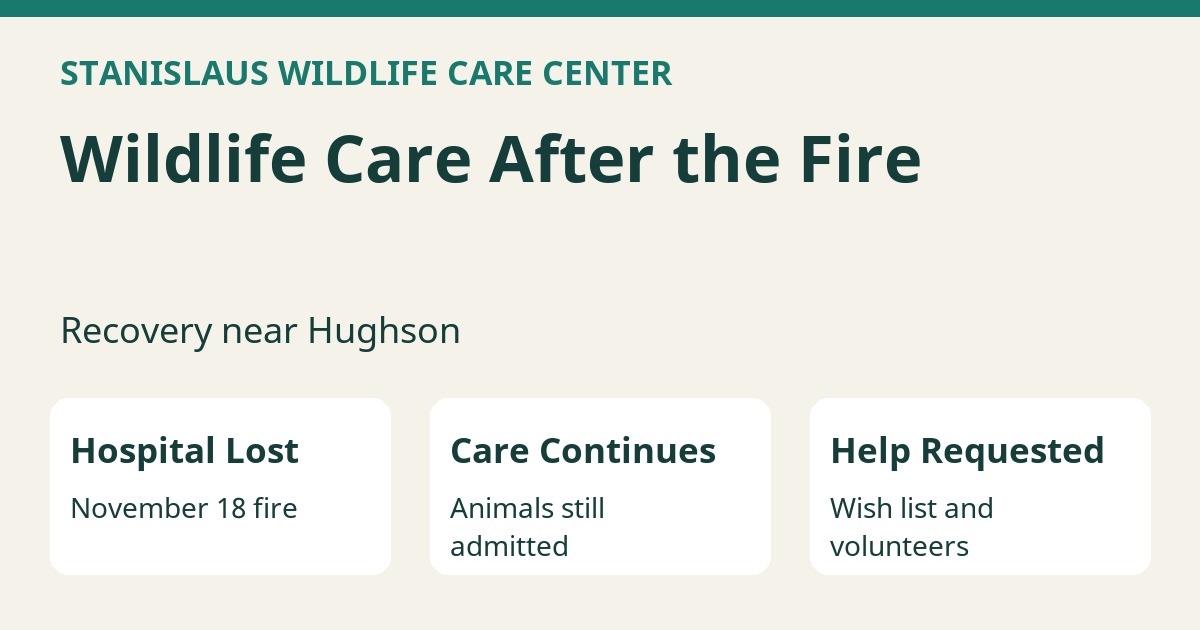
Stanislaus Wildlife Care Center is still taking animals after the November 18 fire destroyed its hospital near Hughson. Its post-fire website notice gives supporters a direct way to help: use the current wish list, the official donation options or the volunteer program.
There is also an important practical warning on that page. The center says its phones are still not working and directs people needing animal intake to come in. That notice matters if you are trying to get help for an injured bird or mammal, rather than simply looking for news of the fire.
What Happened at Fox Grove
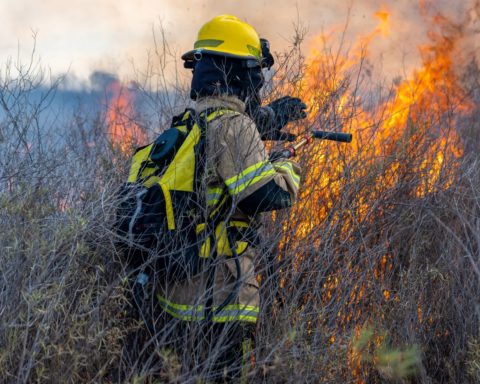
The Turlock Journal reports that the November 18 fire killed an estimated 40 animals and destroyed the hospital, medical equipment, kitchen and supplies. No employees or volunteers were injured. Two snakes and a turtle survived inside the building, and roughly 100 animals housed outdoors survived.
Investigators had not announced a final cause in the reporting reviewed for this story. An electrical problem was suspected. That should not be treated as a completed finding about exactly how the fire began.
Executive Director Donna Burt helped establish the nonprofit in 1984. Some animals lost in the fire were longtime residents that could not return to the wild. Recovery now includes caring for surviving animals and replacing the facilities that supported their daily care. The Journal reports that other rehabilitation centers and the California Department of Fish and Wildlife are helping.
Use the Current Wish List Before Buying Supplies
The center’s homepage links to its Amazon wish list and says that its most critical replacement needs are posted there. Start with that list rather than an old social-media screenshot or a general collection of pet supplies.
Check the exact item and any quantity requested before buying. If you want to organize a larger collection, ask the center what it can receive and how delivery should work. A coordinated delivery can be more useful than several people arriving with items that do not match the request.
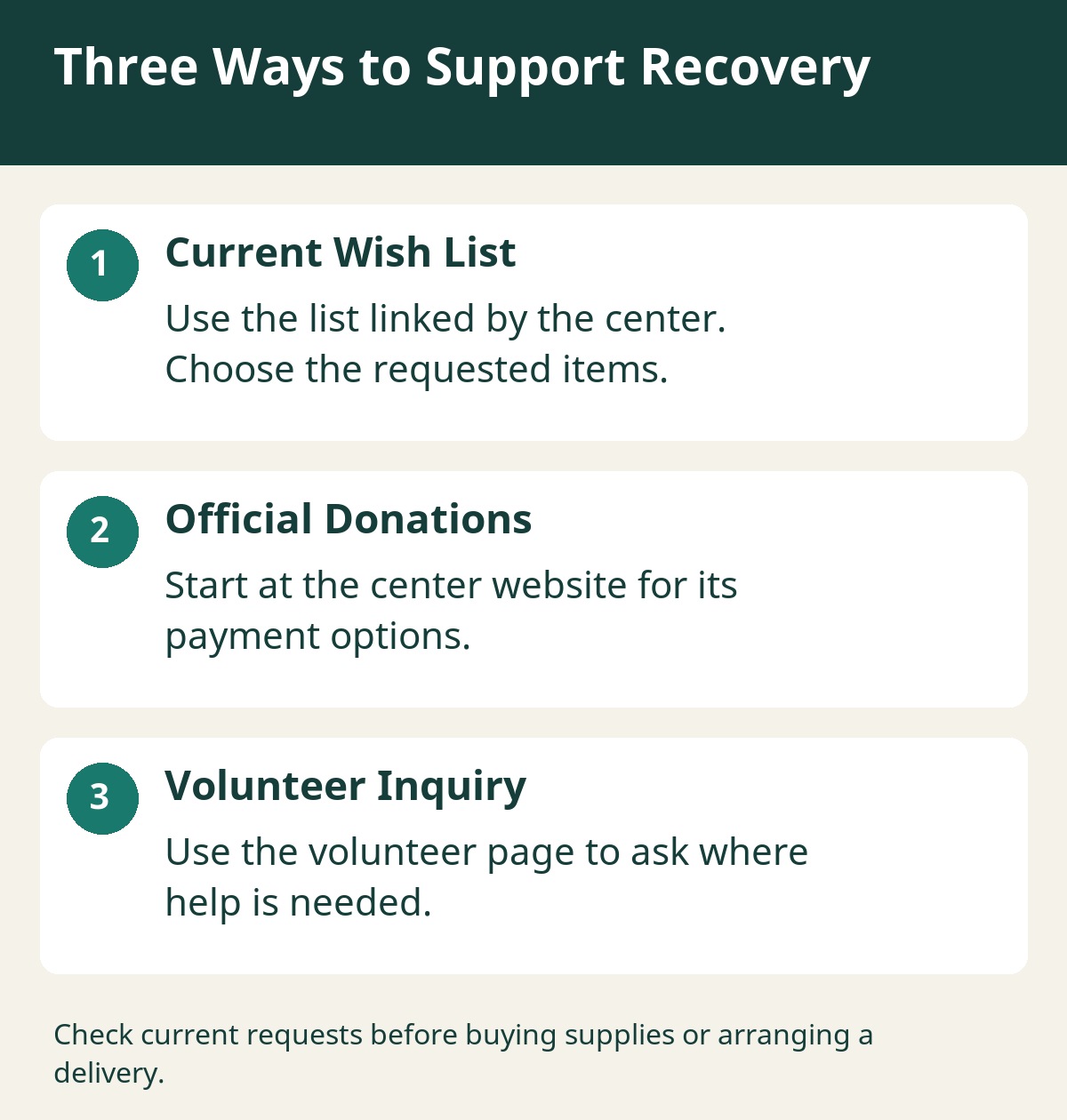
For financial support, begin at the center’s own website, which lists its payment options. This keeps the destination tied to the organization itself. Its published email is SWCCenter@stanislauswildlife.org. An email inquiry is useful for arranging nonurgent help while the homepage reports the phone outage.
Volunteering Means Regular Animal-Care Work
The volunteer page describes regular shifts of four to six hours on the same day each week, with a one-year commitment expected for most volunteers. Training takes several days. Its contact for an application is Volunteer@StanislausWildlife.org.
Those are the program’s published expectations, not a promise that every normal role or shift is available during recovery. Explain the time you can consistently offer and ask what is needed now. The page says it does not accept short school-service assignments or court-ordered service. Someone looking for a brief cleanup project should not assume that animal care is a drop-in opportunity.
If You Find an Injured Wild Animal
The center’s animal-help page separates injured animals, orphaned young and nuisance wildlife. It warns against feeding baby mammals and says the center is not permitted to admit nuisance animals. Finding an animal in your yard does not by itself mean it needs rehabilitation.
CDFW advises getting guidance from a permitted rehabilitator before capturing, handling, confining, feeding or giving water to wildlife. Keep children and pets away. A healthy young bird on the ground may still be receiving care from its parents; moving it can separate it from that care.
- Observe from a safe distance and note the location and visible problem.
- Read the center’s current intake notice, particularly its phone-service warning.
- Follow professional instructions for the species and situation. Do not attempt home treatment or leave an animal unattended at a facility.
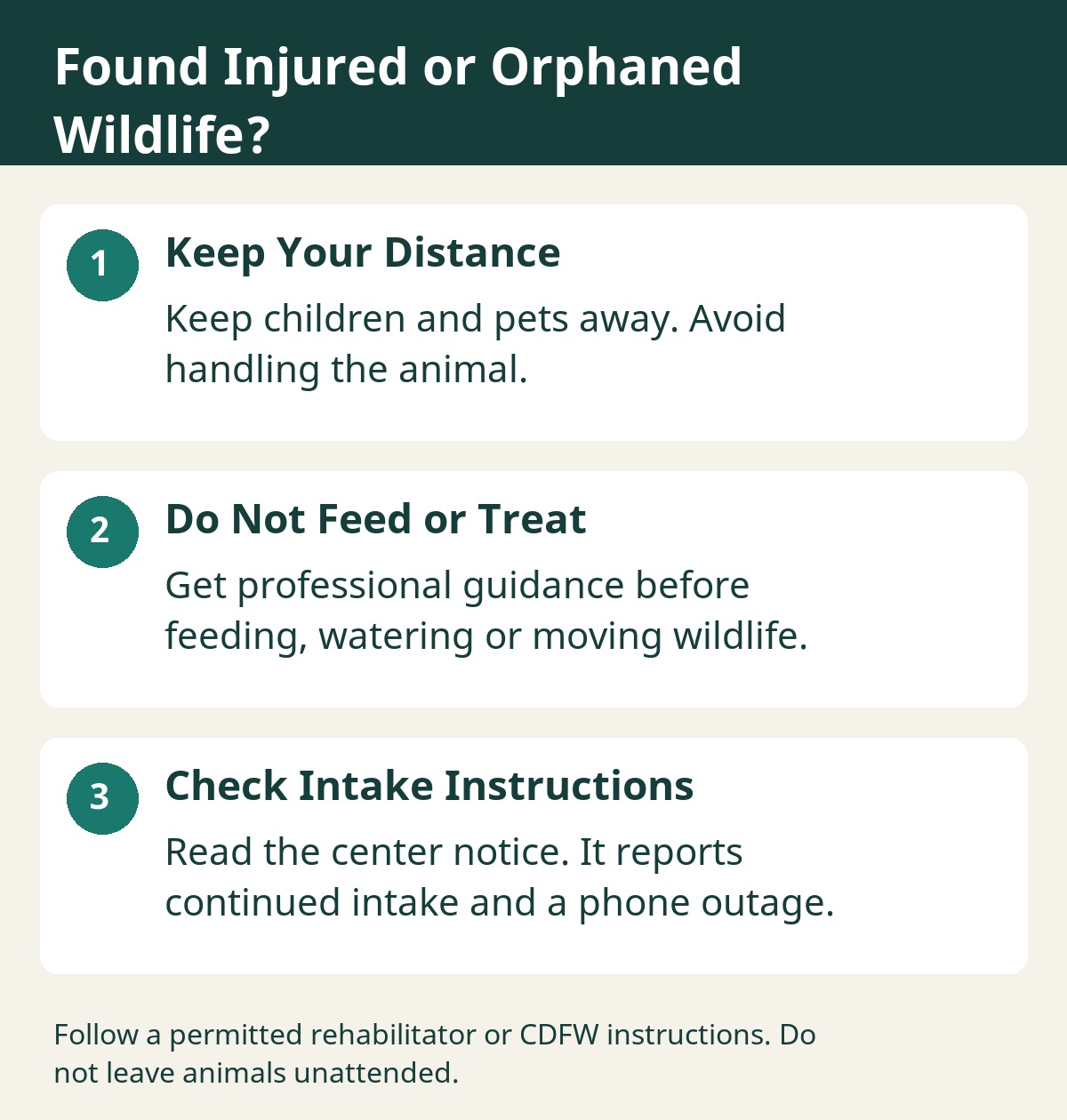
If you cannot obtain guidance from this center, use CDFW’s rehabilitation-facility directory to find another permitted facility. Check that it accepts the species and can receive the animal before traveling. Rescue facilities have limited staff and are not necessarily available around the clock.
Location and Intake Hours
The center is in Fox Grove Regional Park at 1220 Geer Road, Hughson. Its location and hours page lists September-through-April intake hours of 10 a.m. to 3 p.m. Its homepage says it is open every day, including weekends and holidays.
Use the current post-fire notice when planning an animal intake. That is different from visiting to see the damage or turning up for an unarranged volunteer shift. For supplies and other nonurgent support, arrange the details first.
The center website is the starting point for new requests and recovery updates. For other ways to help locally, our Get Involved guide covers community organizations and volunteering.
Have You Helped an Injured Animal Here?
Share your experience with Stanislaus Wildlife Care Center in the Local Turlock discussion. For current intake or donation requests, use the center links above.