
LOCAL TURLOCK HISTORY
Before Turlock had a college campus or a county fair, it had a grain warehouse and a railroad stop. Irrigation changed the fields; immigration changed the town. Its story includes melon carnivals, a community-built library, an invention that helped save lives—and the forced confinement of Japanese Americans at the fairgrounds.
This history of Turlock traces the people, places and turning points that shaped the city.
Updated 2026.
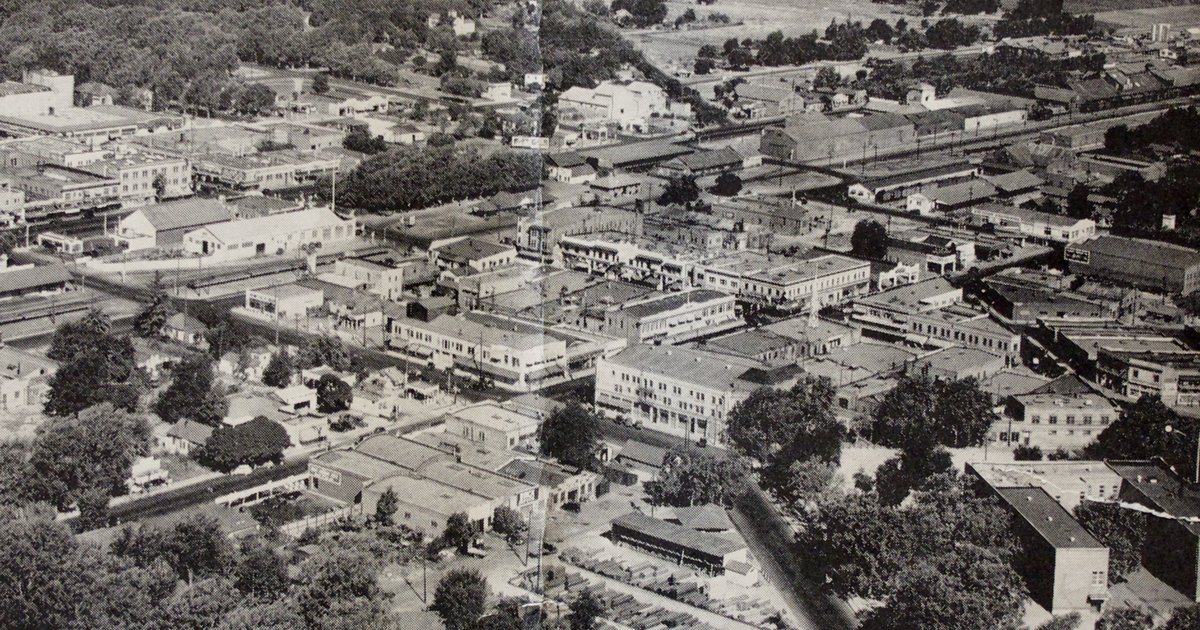
Before the railroad: the Yokuts homeland
Turlock’s familiar founding date, 1871, marks the beginning of the railroad town. The human history of this land reaches much further back. Stanislaus State identifies its Turlock campus as standing on the traditional, unceded ancestral lands of the Yokuts Nation.
Along the nearby Stanislaus River, Northern Valley Yokuts communities drew food from fish, acorns and game. California State Parks’ history of Caswell Memorial State Park describes the violence, mission pressures and epidemics that disrupted Native life in the nineteenth century. That regional history is essential context for the later story of ranches, land sales and farms.
Even the name Stanislaus carries an Indigenous history. Cucunuchi, baptized Estanislao, was a Yokuts leader associated with resistance against Mexican forces in 1829. The river, county and university take their names from him. In November 2025, Stanislaus State dedicated an outdoor ceremonial space at Village Lake in his honor, with Northern Valley Yokuts Chairwoman Katherine Perez leading the land acknowledgment and smudging ceremony. Native people belong in Turlock’s present as well as its earliest chapter.
The town the railroad built
John William Mitchell arrived in California in 1851 and built a fortune supplying the Gold Rush economy. The Turlock Historical Society’s railroad display traces his progression from harvesting work and livestock to extensive wheat farming. By the time rail transportation was pushing south through the valley, his holdings exceeded 100,000 acres.
Mitchell supplied the railroad with a right of way and secured a depot for the growing settlement. A grain warehouse, post office and cluster of businesses gave farmers a place to ship crops and settlers a place to arrive. The city records December 22, 1871, as Turlock’s founding date. By 1891, according to the Historical Society, the town was shipping 12,000 to 15,000 tons of wheat a year. This was a working freight town before it was a city of neighborhoods.
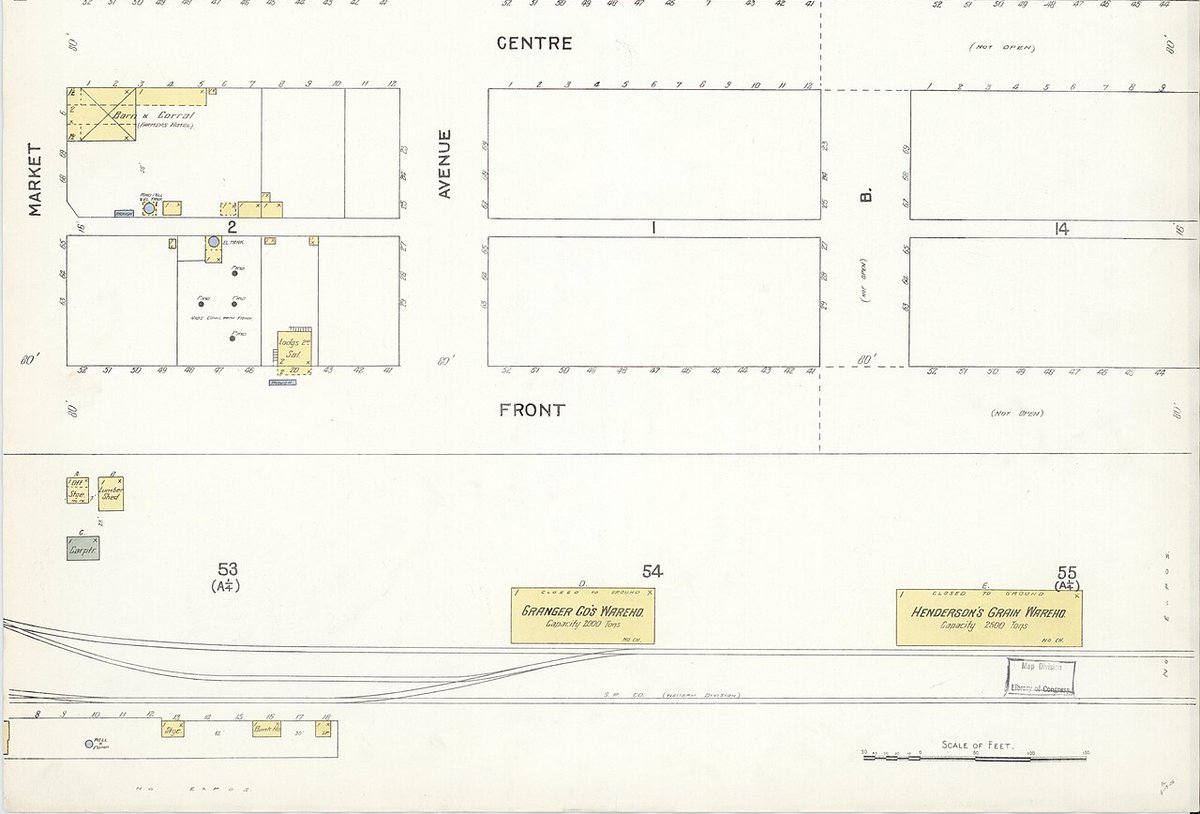
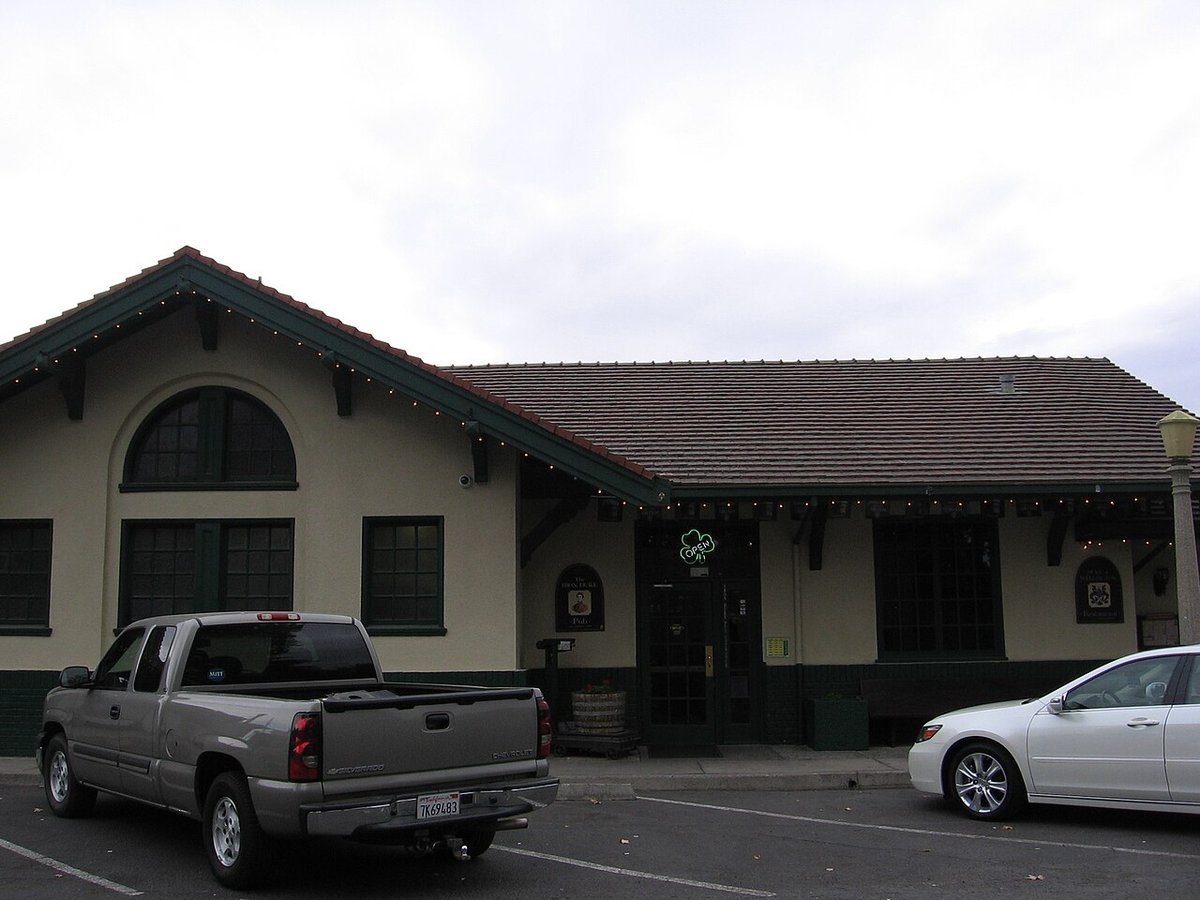
The rails also explain something you can still see downtown: the way the principal streets run alongside the tracks. Amtrak’s Great American Stations history describes the original depot as a modest building combining passenger and freight functions. A projecting window bay gave the station agent a view along the line. The railroad did more than connect Turlock to distant markets; it shaped the town’s physical layout.
Where did the name Turlock come from?
The short answer is that the surviving explanations differ. Amtrak’s history associates early resident H. W. Lander with the Irish word turlough, a lake that dries up in summer, encountered in a magazine. A city history summary instead describes a fictional Irish town in a story published by Harper’s Weekly. Both connect the name to an Irish or literary reference. The appealing story that Mitchell named Turlock directly after a particular Irish village is less settled than it is sometimes presented.
Founding and incorporation were separate milestones. Turlock became an incorporated city on February 15, 1908, nearly four decades after the railroad settlement began. The city’s consolidated plan records both dates.
Water changes the valley
Rail service could carry a harvest to market. Irrigation changed what farmers could harvest in the first place. Early wheat fields depended on the timing and quantity of winter rain. Water delivered through canals made smaller farms, orchards and a wider range of crops possible.
The Turlock Irrigation District was organized on June 6, 1887, becoming California’s first irrigation district. Its creation under the Wright Act was followed by years of construction and difficult decisions; forming a district did not instantly put water in the fields. TID’s historical milestones identify Henry Stirring as its first farmer to receive irrigation water, in 1900.
One crucial piece was La Grange Dam, completed in 1893 on the Tuolumne River. It was built to raise the river level and divert water into the Turlock and Modesto districts’ canals. It was not a large storage reservoir. The distinction explains why later dams mattered so much: delivering water and saving it for dry years were different problems.
Turlock’s agricultural landscape changed alongside its land ownership. The Historical Society’s account describes Mitchell’s estate being divided into 20- to 40-acre parcels around 1893. New settlers arrived in substantial numbers in 1903 and 1904, drawn by land and the prospect of irrigation. Dairy, alfalfa, melons and later fruit, poultry and almonds broadened an economy once dominated by wheat.
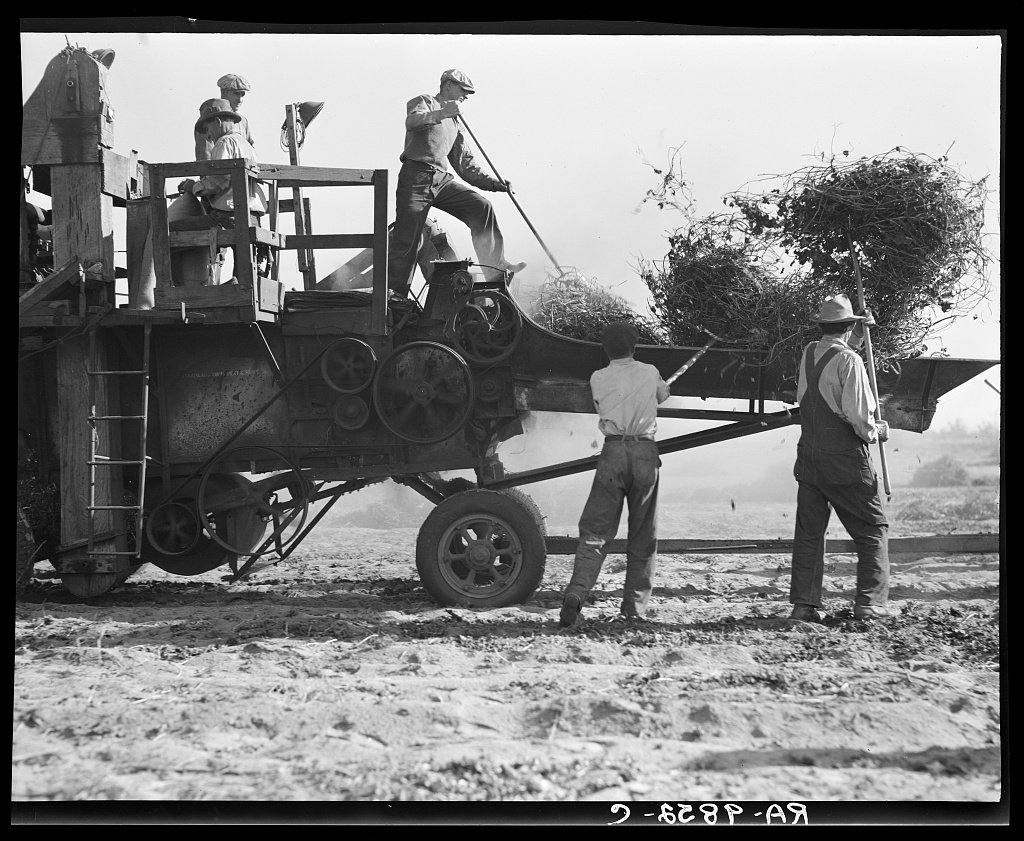
The first Don Pedro Dam followed in 1923; TID also began supplying public power that year. The much larger New Don Pedro project was completed in 1971, increasing storage for multiple irrigation seasons. The canals and electricity lines around town are part of the same long effort to make a farming community more dependable.
Many communities, one town
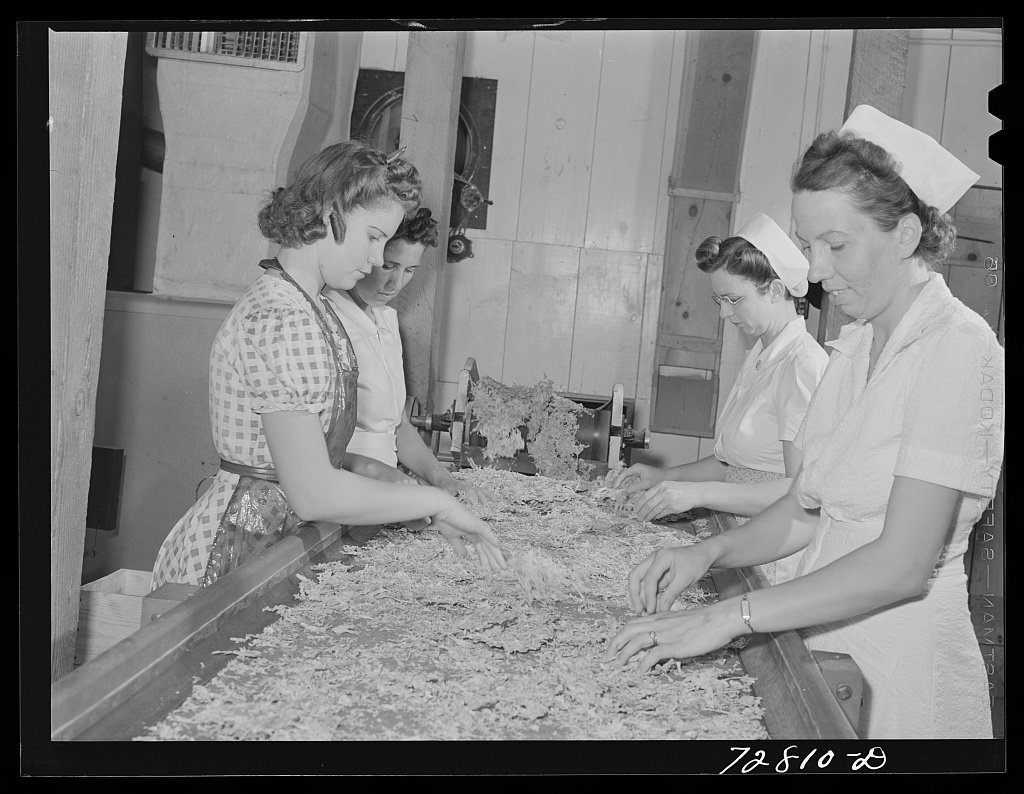
The fields needed knowledge and labor; the growing town needed shops, schools, churches and neighbors. Swedish, Portuguese, Assyrian and Japanese families all helped shape early twentieth-century Turlock. Mexican, Chinese, Armenian and Greek residents also belong in the city’s history. Their experiences were different, and arrival dates describe beginnings rather than neat boundaries between communities.
Swedish roots
The broader Turlock region attracted Swedish settlers, including families who came through the Midwest. In his UC Berkeley oral history, Rudolph A. Peterson describes the promotion of nearby Hilmar Colony around 1902 by ministers Andrew Halner and Nils Hultberg. Farming, congregations and family networks tied that settlement closely to Turlock. Hilmar is in neighboring Merced County, but the history crosses today’s city and county lines.
Portuguese families and Sacred Heart
Portuguese settlers from the Azores established farms and businesses in the area. Their community-building work is especially visible in the Portuguese Historical Museum’s history of Sacred Heart. Sacred Heart became a parish in 1910, and Portuguese members served on the committee for the church dedicated in 1912. After a fire in 1928, the congregation rebuilt. Another wave of Azorean immigration followed the islands’ 1957–1958 volcanic eruption, helping drive the need for the present church, dedicated in 1972.
Assyrian journeys
Stanislaus State’s Assyrian Oral Histories collection places an initial group arriving from Canada in 1910. Refugees from Iran followed in the 1920s after the First World War Assyrian genocide; later arrivals came from other American cities, Iraq and Iran. Anthropologist Arianne Ishaya recorded 108 family-history interviews in 1981–1982. Those accounts preserve migration and working lives that a list of famous names cannot capture.
Japanese growers and the melon economy
Geographer Noritaka Yagasaki’s research on Japanese farmers in the Turlock area dates their settlement to 1907. Japanese growers became important to cantaloupe production, while Japanese laborers helped bring in the harvest. Stores and community organizations supported the people behind that agricultural success. California’s discriminatory alien land laws restricted their access to land, even as the local economy relied on their crops and work.
Exclusion and wartime incarceration
Turlock’s story includes racial exclusion alongside agricultural achievement. In July 1921, white vigilantes forced 58 Japanese laborers out of town at gunpoint and transported them away by truck. Densho’s historical timeline records the expulsion. It was a direct attack on people whose work helped sustain the melon harvest.
Economic dependence did not guarantee acceptance. Yagasaki’s study describes white farmers relying on Japanese labor and produce dealers benefiting from Japanese-grown melons, while white laborers competed for harvest jobs. The tension involved growers, employers and workers as well as racist laws and agitation. It is part of the city’s history that the celebrated melon economy could be built around workers whom others tried to drive away.
The fairgrounds in 1942
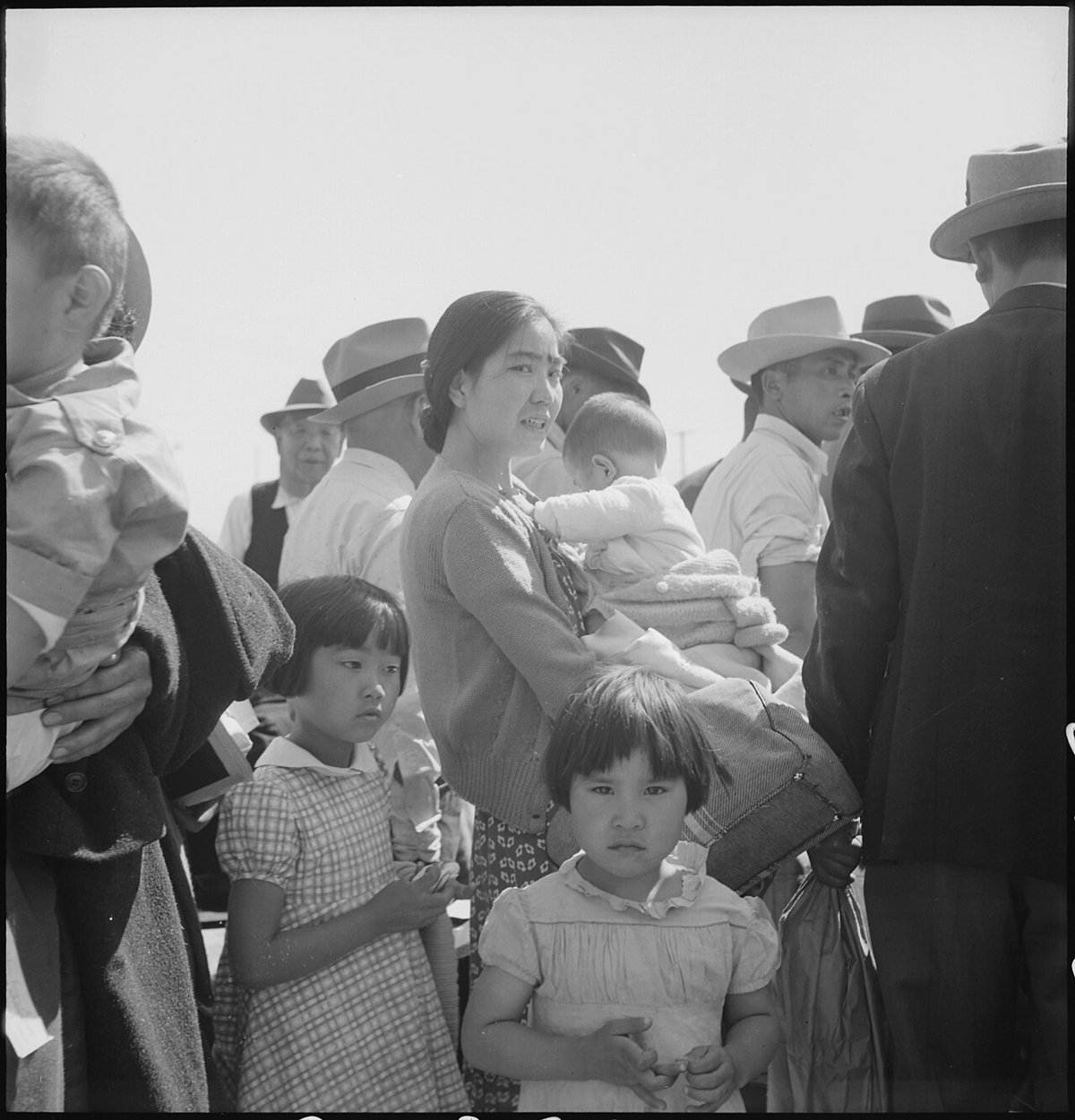
After President Franklin Roosevelt issued Executive Order 9066, military orders forced people of Japanese ancestry from their West Coast homes, including American citizens. The Stanislaus County Fairgrounds became the Turlock Assembly Center, one of the temporary detention sites used before transfer to longer-term camps. It operated from April 30 to August 12, 1942, holding more than 3,600 people at its peak.
The name can create a misleading impression that everyone held there came from Turlock. Densho’s detailed account of the facility identifies major groups from Solano County, the East Bay, Los Angeles’ Little Tokyo and Walnut Grove. People brought to the fairgrounds had often traveled a considerable distance. Their incarceration made an ordinary local gathering place part of a national violation of civil rights.
Transfers took the detainees to the Gila River concentration camp in Arizona. School graduations, a camp newspaper and ten births took place during the center’s short existence; four people died. Those details show families trying to maintain everyday life under confinement. A historical marker and interpretive storyboards at the fairgrounds now commemorate the site.
The experiences of nearby Japanese American families also followed other routes. Densho’s oral-history archive includes Susumu Yenokida, born in Turlock in 1925 and raised in the Cortez area. His wartime removal took him through the Merced Assembly Center to Amache in Colorado. Local history becomes more precise when the different families, places and journeys remain visible.
From Melon Carnival to county fair
Before the carnival rides and concert stages, there were melons. Turlock’s first Melon Carnival, sponsored by the Chamber of Commerce in 1911, promoted a growing agricultural industry and its shipping business. Local musicians even organized a Melon City Band.
The original carnival lasted only a few years. The American Legion’s Rex Ish Post 88 organized a Fourth of July celebration in 1924, then revived the Melon Carnival name for a summer festival in 1925. Livestock exhibitions arrived in 1933 with 4-H and FFA shows. California chartered the 38th District Agricultural Association in 1935; it took full control after purchasing the grounds and buildings from the Legion in 1944.
The name Stanislaus County Fair first appeared on the marquee in 1956. The fair’s official history also traces the grounds’ wartime uses and later role as the first home of Stanislaus State.
The women who built a library—and the building that survived
Andrew Carnegie’s name is on the building, but Turlock women did much of the work to make it happen. The Women’s Improvement Club helped establish the town’s first free city library in 1908. Books occupied temporary quarters while residents argued over where a permanent library should stand.
In 1914 the Greater Turlock Civic Club renewed the effort. The following year it urged the City Council to apply for Carnegie funding, bought the Broadway property and gave the deed to the city. The library opened on September 15, 1916, with cream-colored brick, a tile roof and a broad staircase. For 52 years, this was where Turlock went to borrow books. The library moved to Minaret Avenue in 1968. The county library’s history of the Turlock Library records the clubs’ organizing, the site dispute and the eventual opening.
The building acquired another public life as an arts center in 1979. A November 2005 fire destroyed its interior, leaving the exterior walls standing. Preserving those walls meant more than repairing an old library: the city and Carnegie Arts Center Foundation rebuilt and expanded a place for exhibitions, classes and performances. It reopened in September 2011.
At the Carnegie Arts Center today, the old walls remain visible from the newer lobby, including marks left by the fire. They give the building an unusually readable history: a women-led civic campaign, decades of library service, destruction and a deliberate decision to rebuild.
When a fairgrounds town became a college town
On September 19, 1960, students began classes at Stanislaus State College in temporary quarters at the county fairgrounds. Its first commencement, held at Turlock High School in 1961, awarded just 25 degrees. A college that now occupies a broad stretch of north Turlock started in buildings normally associated with exhibitions and livestock.
The Legislature had established the college in 1957. Construction of its permanent campus followed, and classes moved to the 228-acre site in September 1965. The first buildings included a library and classroom building. Freshmen were admitted that year; the Performing Arts Complex followed in 1970. The institution became California State University, Stanislaus in 1985.
Those dates describe a lasting change in the city. Agriculture remained central, but Turlock gained a place where Valley residents could pursue university degrees close to home, along with another source of theatre, music, research and public events. Stan State’s campus history and archival photographs show the fairground classrooms and the early campus before its trees, lakes and later buildings filled in.
Notable people in Turlock’s story
An emergency medical invention, a university transformed, Broadway roles and Olympic competition: these people carried a part of Turlock’s story beyond the city.
Marion, Chrissie and Linda Collins: the family behind MedicAlert
The Turlock connection: Marion Collins grew up here, returned to practice medicine and developed MedicAlert with his family.
In 1953, 14-year-old Linda Collins suffered a nearly fatal allergic reaction to a skin test for tetanus antitoxin after cutting her finger. Her parents, physician Marion and Chrissie Collins, began attaching notes to her clothing so another doctor would know about her allergies. A durable medical identification bracelet offered a better solution.
The family’s idea became the MedicAlert Foundation in 1956. The bracelet communicated information even when its wearer could not; an emergency telephone service later connected responders with more detailed records. Linda’s original bracelet entered the Smithsonian’s collection. It is a small object with a large Turlock story: a local family’s response to one frightening medical episode became a system used far beyond their hometown. Read the foundation’s account of the Collins family and the first MedicAlert ID.
Marvalene Hughes: reshaping Stanislaus State
The Turlock connection: President of Stanislaus State from 1994 to 2005.
Hughes was the university’s first woman and first African American president. Under her leadership, enrollment doubled to more than 7,800 students, the Stockton campus moved to its permanent home and the Turlock campus added $135 million in buildings and facilities. Four lakes were among the additions that changed its physical landscape.
The university dedicated its entrance reflecting pond in her honor in 2017. Hughes later led Dillard University in New Orleans through the aftermath of Hurricane Katrina. She died in January 2026. Stan State’s tribute to President Emerita Hughes connects the campus residents see today with the leader who helped build it.
Richard L. Bare: from Turlock to television’s golden age
The Turlock connection: Born in Turlock in 1913.
Bare built a long career behind the camera. His Warner Bros. Joe McDoakes comedy shorts led into features and television, where his credits included The Twilight Zone, Maverick and Petticoat Junction. He directed nearly every episode of Green Acres during its six-season run, shaping the familiar rural comedy seen by viewers across the country.
The Directors Guild’s visual history interview follows that career, including his 1958 directing award for 77 Sunset Strip.
James Mitchell: a Turlock High student on Broadway and daytime TV
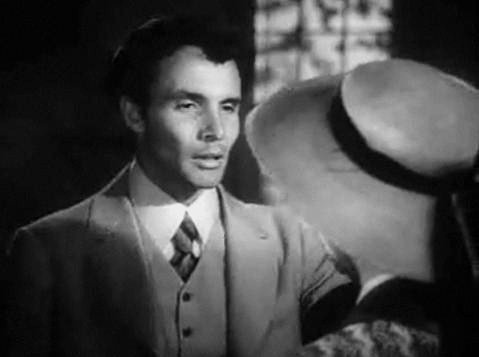
The Turlock connection: Grew up partly in Turlock and graduated from Turlock High School; he was born in Sacramento.
Mitchell’s career crossed dance, Broadway, film and television. He performed in Agnes de Mille musicals and played Harry Beaton in the original 1947 Broadway production of Brigadoon. Television audiences came to know him as Palmer Cortlandt on All My Children.
The Turlock Journal’s obituary, drawing on earlier local interviews, recalled school plays and his drama teacher Robert Rees’s encouragement to pursue theatre.
Paul Larson: Turlock’s All-American quarterback
The Turlock connection: Born in Turlock in 1932, raised on a family ranch and quarterback at Turlock High.
Larson went on to the University of California, Berkeley, where he earned first-team All-America honors in 1954 and led the nation in total offense and passing. Cal’s Hall of Fame biography records his 1,537 passing yards and 64.1 percent completion rate that season—numbers earned in a very different era of college football.
His life also remained rooted in the Valley through business, horses and team roping. The family obituary published after his 2022 death identifies him as a past president of the Turlock Horsemen’s Club. Those details place him in local life as well as in a football record book.
Alison Cox: from Bulldog sports to an Olympic rowing medal
The Turlock connection: A Turlock native who played tennis, soccer, basketball and softball at Turlock High.
Cox’s Olympic sport came later. She began rowing as a walk-on at the University of San Diego and developed into an All-American. With the U.S. women’s eight, she won a world championship in 2002 and an Olympic silver medal at Athens in 2004. Her route to the podium began with a new sport in college, rather than years of specialized childhood rowing training.
Turlock High’s Hall of Fame records her school sports, while USD’s Hall of Fame profile follows her development into a national-team rower.
Colin Kaepernick: a Pitman athlete on a national stage
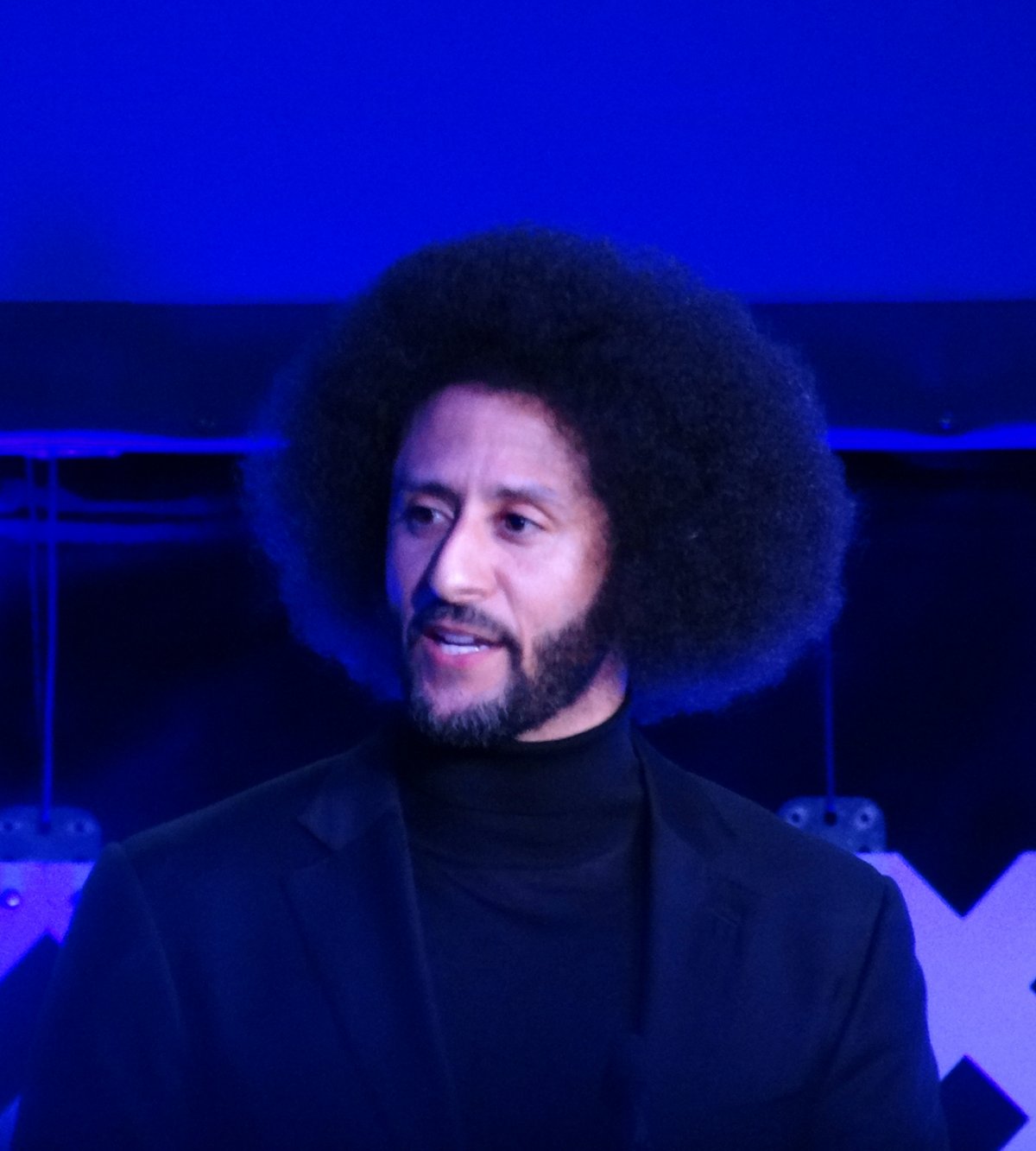
The Turlock connection: Grew up here and attended Pitman High School; he was born in Milwaukee.
At Pitman, Kaepernick played football, basketball and baseball before becoming a quarterback at Nevada and then for the San Francisco 49ers. He led San Francisco to Super Bowl XLVII following the 2012 season. The Journal’s reporting with the Kaepernick family tells the earlier story of his childhood and school years in Turlock.
In 2016, his national-anthem protests against racial inequality and police brutality made him a central figure in a debate extending well beyond football. Contemporary reporting records the reasons he gave for the protest.
See Turlock’s history for yourself
Several places in this story are still part of everyday Turlock. Three downtown stops put the founder, the town’s collections and the old library within the same district.
- Turlock Historical Society Museum, 108 S. Center Street. The museum lists free admission and Saturday hours of 9 a.m.–4 p.m. Built in 1910, it housed the Palace Meat Market from 1911. The Ripley family later donated it for the museum, which opened in 2003. Read its history or find it on the map.
- Central Park, 115 S. Golden State Boulevard. The John W. Mitchell statue marks the founder in the middle of modern downtown. It was unveiled during the city’s 2008 incorporation centennial. The centennial story connects the statue to the railroad-era town. Map.
- Carnegie Arts Center, 250 N. Broadway. Visit for an exhibition and look at the preserved library walls beside the modern addition. The center’s history explains their survival after the 2005 fire; its visitor information covers gallery hours and admission. Map.
Farther north, the Stanislaus County Fairgrounds, 900 N. Broadway, occupies the site that connects the Melon Carnival, wartime detention and the first state-college classes. The fair’s history follows those changes. Its public event calendar provides visiting opportunities.
Dig into the archives
Stanislaus State’s Special Collections & University Archives holds local photographs, oral histories, manuscripts and university records. The collection overview introduces the Sayad Assyrian Collection and the Nisaburo Aibara Collection of Japanese American community records. Reading-room research is by appointment.
The university’s history research guide is a useful starting point for old newspapers and primary sources. The Historical Society’s local-history publications include Streams in a Thirsty Land and two illustrated histories covering different periods of Turlock’s development.
Have a piece of Turlock’s story?
A family photograph, a remembered business or a detail we should investigate? Contact Local Turlock with the name, date and source. For places to explore now, read the Turlock Guide.
