
Last updated
Crane, Christoffersen, Pinkney, Bates and Andre are former mayors whose names appear on Turlock parks and streets. Their terms included street and sewer projects, the campaign for a college campus and decisions about how the city would grow.
The Job Began with Five Trustees
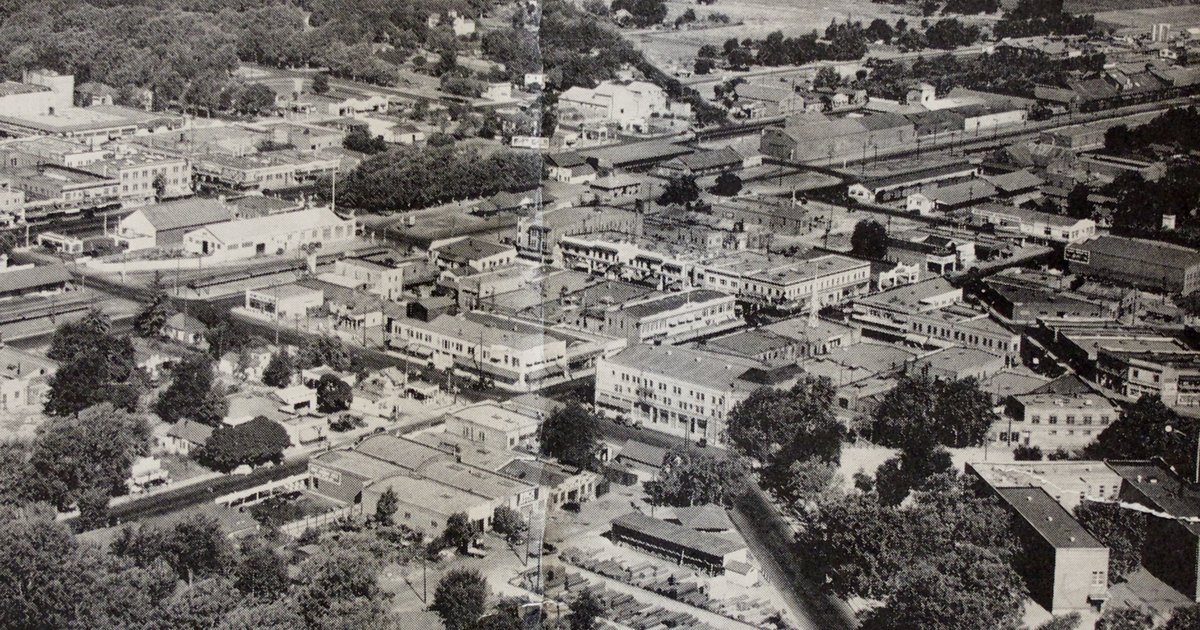
Turlock’s municipal government began in 1908 with a five-member board of trustees that selected its own president. In the early biographies, that chairman is also called the mayor. The arrangement matters when reading old election reports: winning a trustee seat and becoming mayor were separate steps. George H. Tinkham’s 1921 county history describes the first government and its January 21 incorporation election.
Today, voters across Turlock elect a mayor for four years; four other councilmembers represent districts. The mayor presides over meetings, but city policy is decided by the council as a body. A council-appointed city manager directs day-to-day administration. That division helps explain why a mayor’s legacy usually includes work shared with fellow councilmembers, staff and residents. See the city’s election information and City Officials Handbook.
Turlock Mayor Timeline
The modern sequence below is continuous from 1978. Earlier records are incomplete; a single year confirms service in that year rather than a full term.
- Horace Stephen Crane — 1910–1914. Those mayoral years appear in a National Academy of Sciences family biography. His profile connects Crane Park, Turlock High and the family’s banking business.
- Carl C. Carlson — selected in 1918. The lumber-company president became board chairman, according to Tinkham’s contemporary biography.
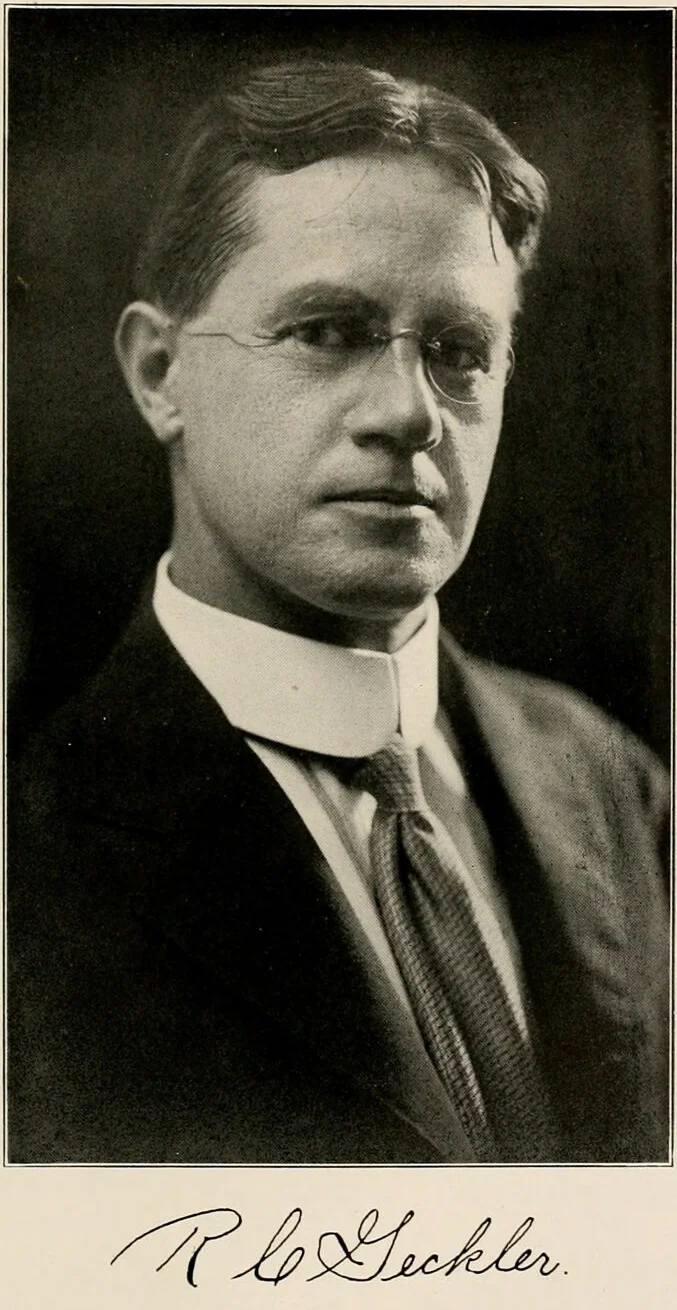
- Robert Charles Geckler — selected in 1920. Tinkham records his appointment; a March 1922 election report names him as the outgoing mayor.
- William Edward Bridegroom — 1922–1926. Confirmed by his 1940 obituary. His profile follows the railroad man’s arguments over police work, Prohibition and public business.
- F. A. Pierson — listed as mayor in 1926. The Political Graveyard’s incomplete historical index records that year, without supplying a full name or complete term.
- M. R. Critser — listed as mayor in 1952. The historical index names Martin R. Critser; local Rotary and business records document Marvin Critser. Whether they refer to the same man remains unresolved. The profile distinguishes the mayor listing from Marvin’s documented civic work.
- Enoch S. Christoffersen — 1952–1958 and 1962–1978. These two terms are documented in Caltrans’ official naming history, page 237.
- Ray Carter — documented in 1959 and January 1960. The Journal’s newspaper history names him at a college-related banquet; Modesto’s January 20, 1960 minutes identify Mayor Raymond M. Carter at a state-college hearing. These records do not establish his full term.
- Dale Pinkney — 1978–1982. Turlock’s 18th mayor, according to the Journal’s account of his public service.
- Brad Bates — 1982–1990. The city records his tenure in its fall 2009 park-dedication newsletter.
- Curt Andre — 1990–2006. The same city newsletter records his 16 years in office. His profile follows the optometrist’s mayoralty, the city’s growth and the land-use questions of that period.
- John Lazar — 2006–2014. Previously a councilmember from 1992 to 2006, as documented in reporting on his park nomination.
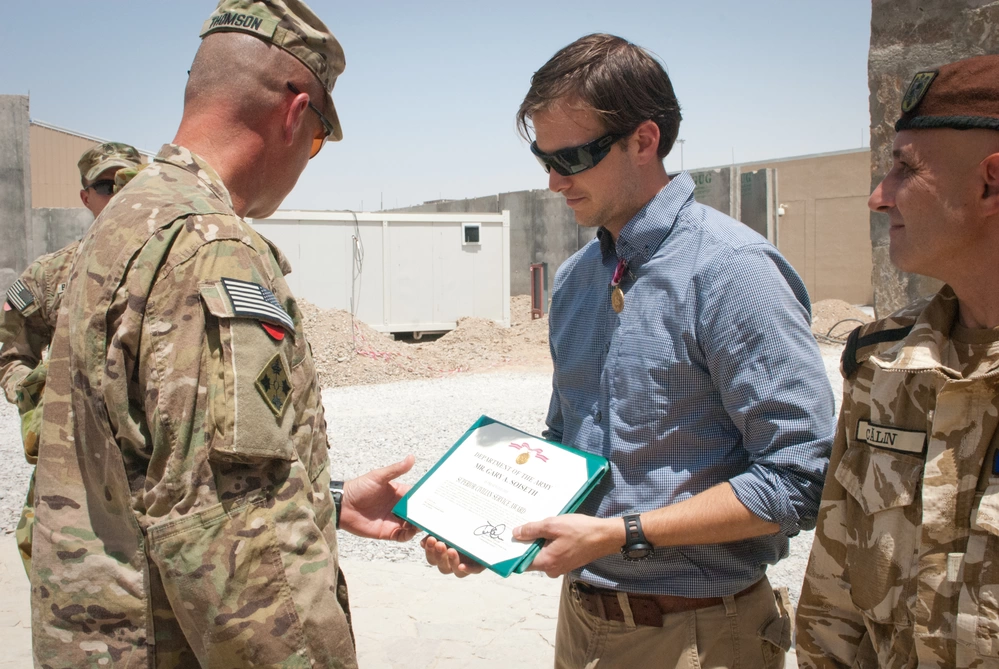
- Gary Soiseth — 2014–2018. His election and four-year tenure are recounted in the Journal’s 2018 election coverage.
- Amy Bublak — 2018–present. The city identifies her as its 23rd mayor and first woman mayor. She began her second term in 2022.
Two other early names deserve a place here: E. B. Osborn, the merchant and fire chief remembered by Osborn school, and Ernest Uttendorfer, whose move to Turlock and later mayoralty appear in the Livermore Heritage Guild’s soda-works history. Neither account supplies his mayoral dates.
The first mayor is harder to settle: Tinkham’s city history names Crane as the 1908 board president, but the same book’s Crane biography calls him the second chairman. His documented 1910–1914 service is clearer than the conflicting first-mayor label.
Early City Hall: Merchants, Water and Highway Trees
The early leaders brought their working lives into government. Carlson sold lumber; Geckler operated a funeral business. Tinkham’s Geckler biography records a new pumping plant and sewer-disposal alterations during his administration. Before modern campaign language about infrastructure, the young city was already dealing with the same essentials.
Bridegroom managed a seed warehouse and had spent decades in railroad service. In January 1923, he called for volunteers to plant trees along the highway between Turlock and Livingston. Crews from Turlock, Delhi and Livingston organized the water, transportation and planting. The original newspaper report describes a mayor asking neighbors to improve a shared road with their own labor.
Christoffersen: The Highway and the College Town
Christoffersen’s two periods in office add up to 22 years. His influence extended beyond ceremonial duties: Caltrans credits his involvement in negotiations for the Highway 99 bypass, which changed how traffic moved around Turlock. The rest area south of town carries his name.
A 1978 Congressional Record tribute also identifies him with the successful effort to bring Stanislaus State to Turlock. That campaign involved many local people. Ray Carter’s attendance at a 1959 banquet honoring publisher Stanley Wilson for his college-site work shows another part of the same story: a university did not simply arrive; residents and public officials worked to secure it.
Pinkney and Bates: Growth You Could See from the Street
Pinkney joined the council in 1970 before becoming mayor in 1978. His years in city government included disputes over widening West Main Street and installing the Geer Road planter divider. He also put more than 100 volunteer hours into building Atch Pedretti Park. After office, his morning coffee routine at Latif’s kept him close to the town’s conversations. These details, preserved in the Journal’s remembrance, give a better picture of his service than a park sign alone.
Bates succeeded him in 1982. His full profile follows the family story behind Donnelly Park’s wooden playground, the recreation projects he supported and his later return to the mayoral ballot. Brad Bates Park and Curt Andre Park were dedicated together in 2009, recognizing successive administrations that spanned 24 years.
Andre and Lazar: A Bigger City, Longer Public Careers
Andre, an optometrist, served as mayor for 16 years. A 2006 Modesto Bee retrospective reported that Turlock’s population grew by about 30 percent during his tenure. It also recalled the less visible challenge of a 1992 financial crisis, when the city laid off employees after the state diverted local revenue. Growth meant new neighborhoods, but governing also meant deciding what the city could afford.
Lazar followed in 2006 after 14 years on the council. His public-service background included work for state and federal legislators. Years after he left the mayor’s chair, Bublak nominated him for a park honor.
Soiseth and Bublak: Two Different Paths to the Office
Soiseth’s interest in the mayoralty began as a teenager. He helped start the Teen Advisory Council, where a visit from Andre made an impression. Elected in 2014 at 30, he brought farming and water-policy experience to the job. In a 2015 Journal profile, he described reliable water, roads and sewage systems as his priorities. A former mayor had helped inspire a future one.
Bublak won in 2018 after a decade on the council, becoming Turlock’s first woman mayor and first retired police officer elected to the office. Her ties to Stanislaus State preceded her city career: she served twice as student-body president and earned All-American track honors. She was reelected in 2022.
Continue with our detailed Amy Bublak profile for her background, council service, mayoral record and 2026 campaign.
Follow the Decisions Behind the Names
For present-day issues, start with the City Council’s agendas, minutes and meeting videos. City Hall is at 156 S. Broadway, Turlock. For the places those decisions helped create, explore the Turlock Guide and our history of Turlock.
