Last updated
There are tule elk south of Turlock, and you can look for them from your car. San Luis National Wildlife Refuge near Los Banos has a five-mile elk drive, a longer waterfowl loop and short marsh walks. Admission is free.
Autumn through spring is the refuge’s busy season for migrating waterbirds. For a first visit, start at the main entrance on Wolfsen Road. Both year-round driving loops begin there, so you can choose an outing without navigating between separate refuge units.
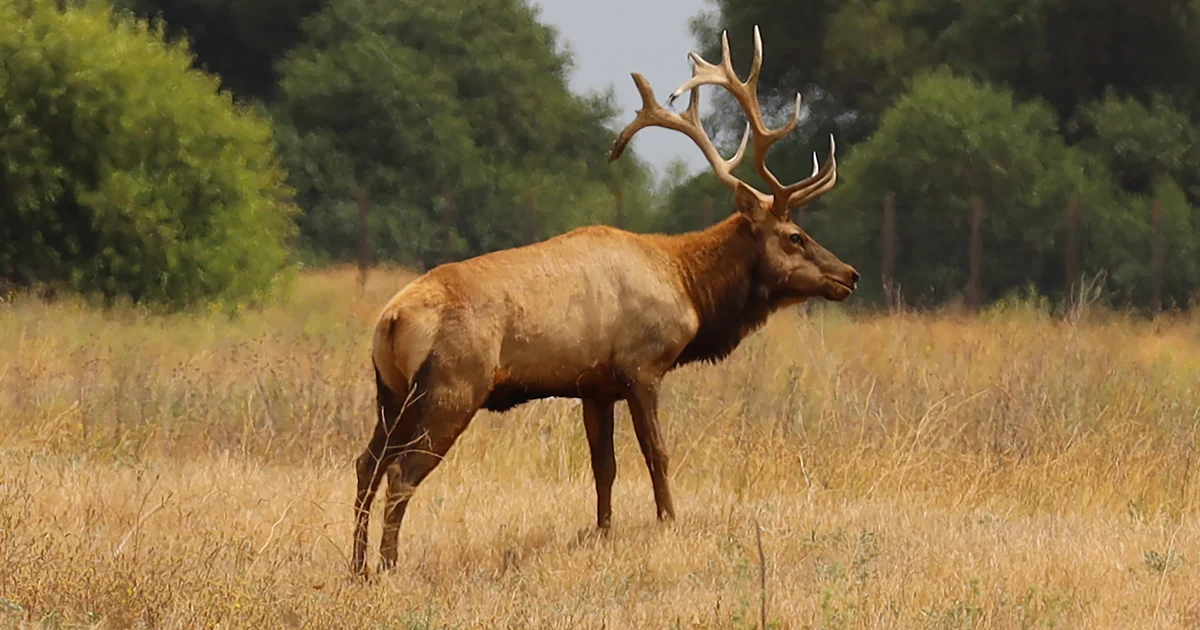
Featured photo: tule elk at San Luis, August 2022. John Heil/USFWS, public domain.
Getting There From Turlock
Head south on Lander Avenue, Highway 165, through Hilmar and Stevinson. Continue straight through the Highway 140 intersection toward Los Banos. The refuge’s directions put the Wolfsen Road turn 12.5 miles beyond that intersection; turn left and continue two miles to the entrance.
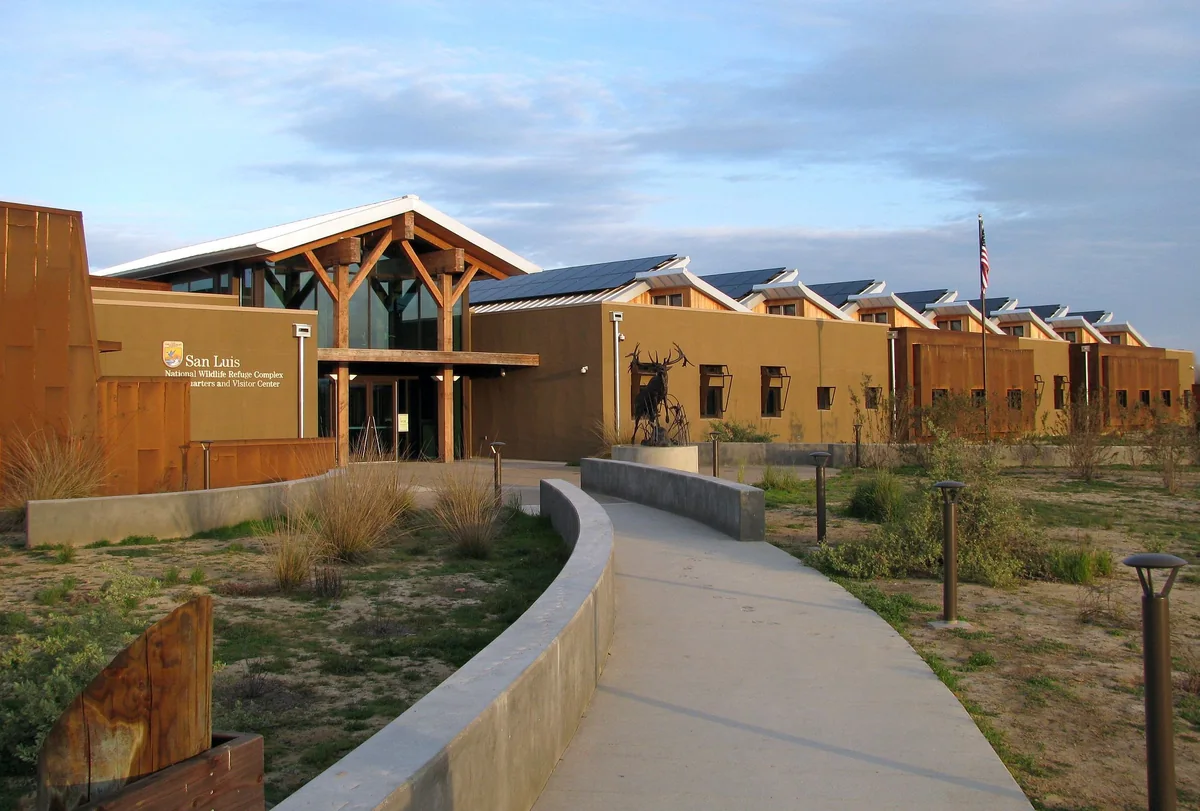
The destination is 7376 S. Wolfsen Road, Los Banos. FWS warns that some navigation systems stop a mile short. Keep going to the refuge entrance at the end of Wolfsen Road.
The outdoor routes and trails open daily, from half an hour before sunrise until half an hour after sunset. The visitor center has separate opening hours. Call 209-826-3508 if the indoor exhibits are part of your plan.
The Elk Have a Recovery Story
The animals here are tule elk, a subspecies found only in California. Their presence at the refuge is part of a long recovery effort. Hunting and habitat loss nearly wiped them out by the turn of the 20th century.
In 1974, a herd of 18 was established at San Luis. FWS says animals from this herd have since been moved to strengthen other herds or start new ones around California. The refuge itself was established in 1967, with its first parcel bought using federal Duck Stamp funds. Its history and wildlife overview explain how the elk and waterbird programs developed.
The five-mile Tule Elk auto tour circles a nearly 800-acre enclosure. A viewing platform with a spotting scope gives visitors a higher vantage point. This is a resident herd, but you still have to look for it across a large area. Bring binoculars rather than expecting the animals to gather beside the road.
Choose the Waterfowl Loop for a Longer Drive
The Waterfowl auto tour is 8.5 miles through wetlands and uplands. Wintering ducks use these marshes from fall into spring. Geese and sandhill cranes are among the winter visitors; tundra swans may also be seen. Those are seasonal possibilities, not a report of what is present on a particular morning.
Both main loops use compacted gravel roads. Follow the one-way signs and stay in your vehicle except at designated places where getting out is allowed. The official auto-tour guide explains the routes and viewing stops.
A passenger with binoculars has a different job from the driver. Let the driver watch the road while someone else scans the water and grass. When you reach a permitted viewing stop, give it a few minutes. A patch of reeds that looked empty from the moving car can turn out to be the most interesting stop.
Add a Walk at the Marsh
For a short walk, the Wetland Trail starts at the visitor-center grounds and runs 0.8 miles. Its gravel path and boardwalk follow a marsh, with benches along the way. The separate Upland Trail is half a mile and also begins at the visitor center.
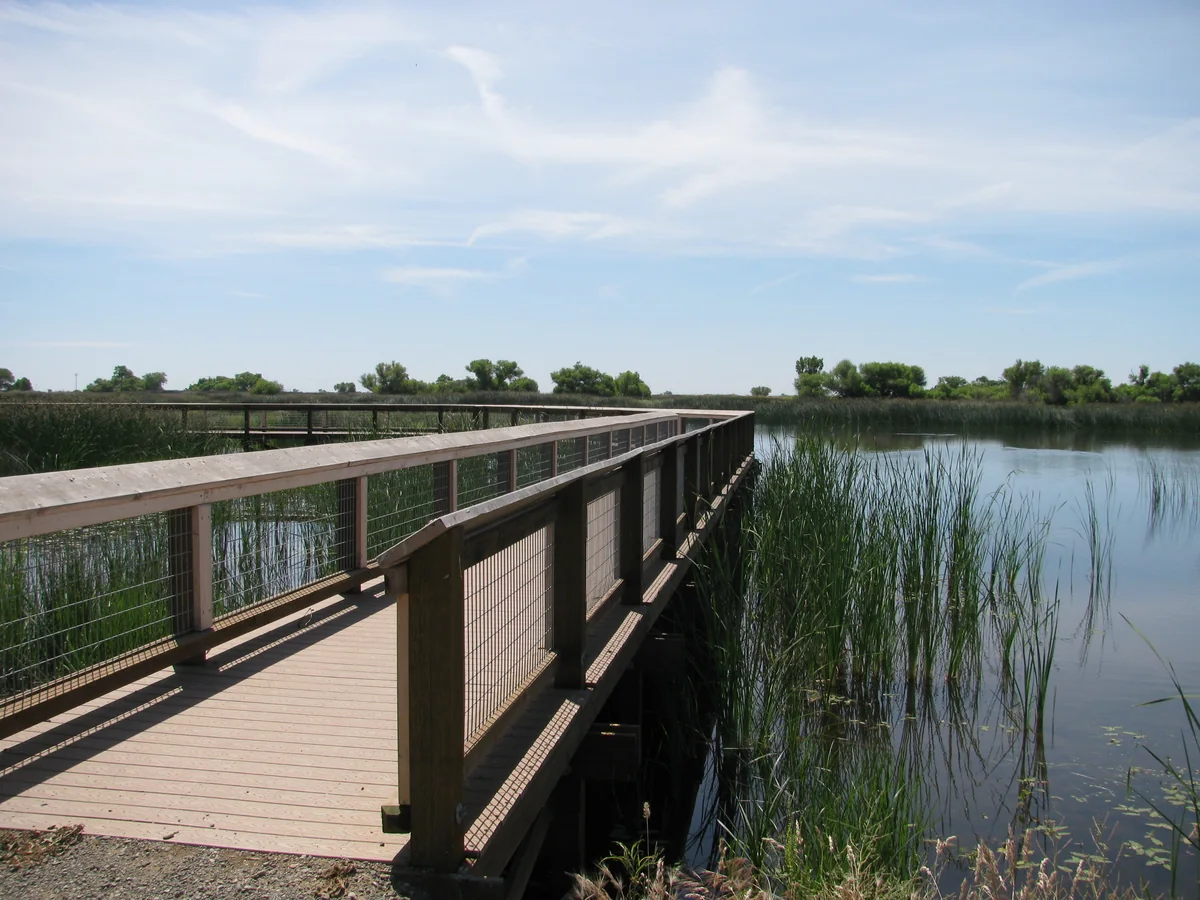
The trail descriptions list surfaces, distances and seasonal access. These walking paths are the places to stretch your legs. Walking, cycling and horseback riding are not allowed on the auto-tour roads.
What to Bring and Where to Stop
- Binoculars, water and walking shoes. Add mosquito repellent for a fall visit.
- A downloaded route map. The official brochure shows the refuge units, trails and facilities.
- A plan to stay on public routes. Use designated parking, obey closed-area signs and leave wildlife alone. Dogs must be leashed outside vehicles; do not feed the animals.
Read the refuge’s visitor rules and download the map before leaving.
For a shorter walk closer to Turlock, see our guide to the pond at Ceres River Bluff Regional Park. Our nearby towns and day trips guide has more places to explore.
Have You Seen the Elk at San Luis?
Share a wildlife sighting or a favorite stop along the refuge routes.