
Last updated
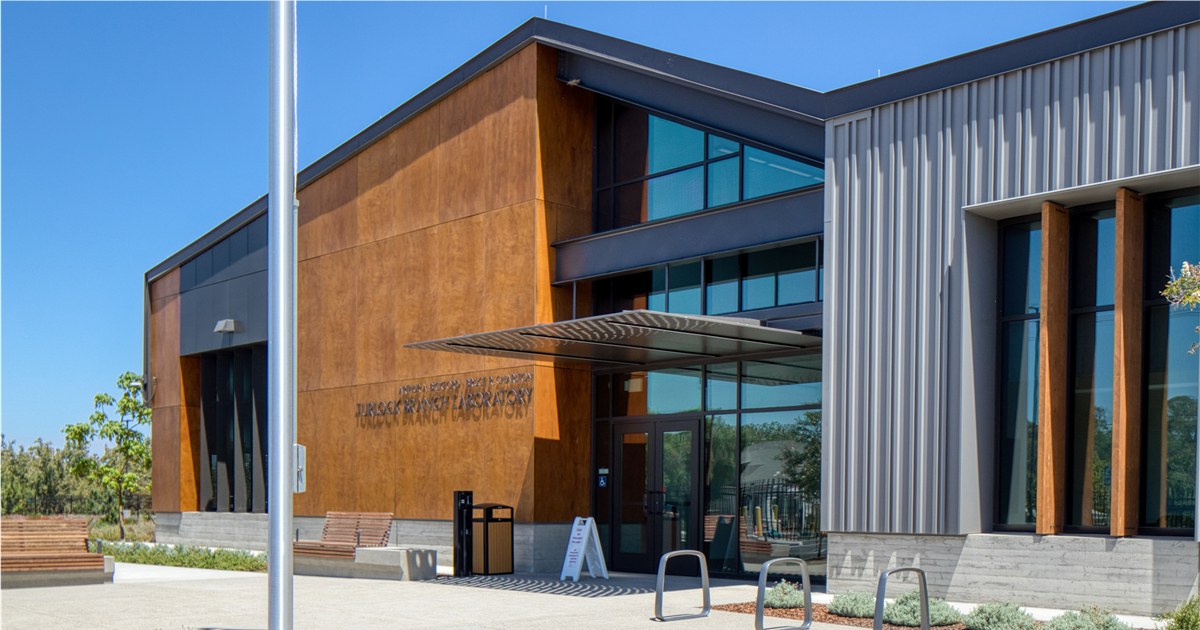
A rancher near Turlock who needed to find out why a cow died used to face a trip to Davis or Tulare for a state lab examination. The old Turlock branch handled poultry. At the new laboratory on Dianne Drive, veterinarians can now get that work done locally for cattle, horses, pigs, goats and other livestock.
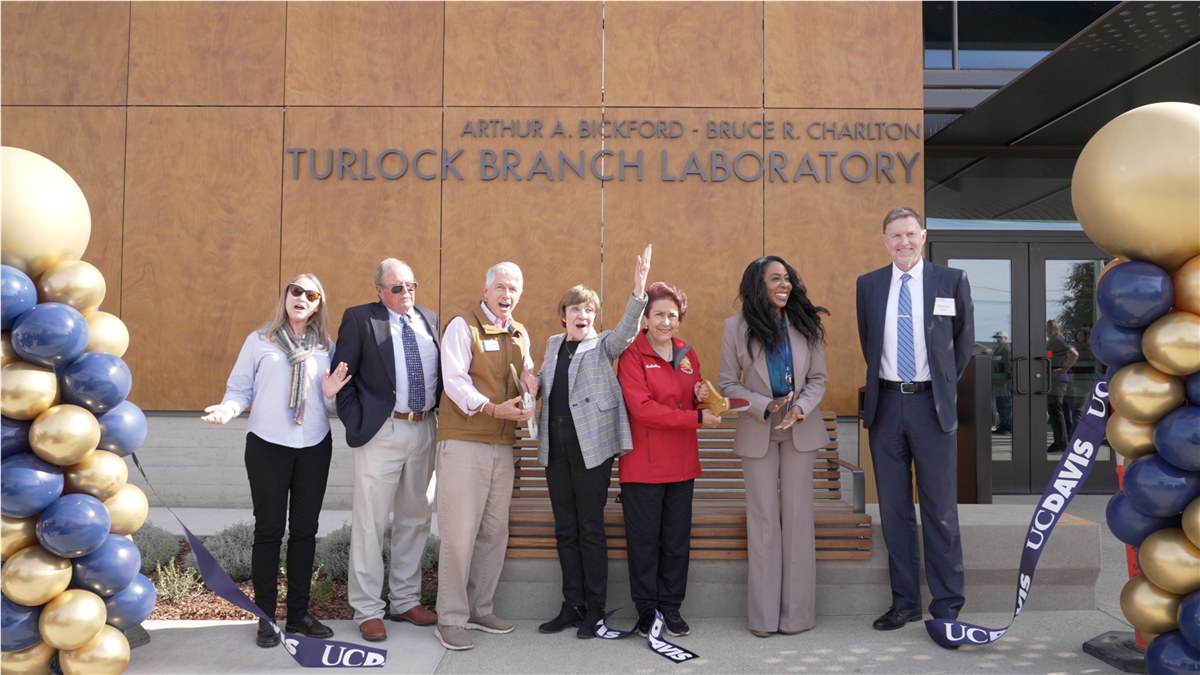
UC Davis dedicated the $108 million facility on November 6. Testing at the new address began July 20, and the laboratory reported it was fully operational in October. The ribbon cutting marked a move that local farmers and veterinarians have been using for months.
From a Poultry Lab to a Livestock Lab
The new site at 830 Dianne Drive in Turlock has 44,000 square feet, compared with 5,000 at the old branch, according to the California Department of Food and Agriculture. That extra room gives pathologists space for necropsies on large animals. A necropsy is an examination after an animal dies. It can help a veterinarian work out whether a death points to a problem that could affect the rest of a herd or flock.
The opening also closes a chapter in a project the Turlock Journal covered while it was still in planning. The former branch sat near Fulkerth and Soderquist roads. The new building keeps the poultry testing that the branch was known for and brings state agriculture staff and UC Davis lab staff into the same facility.
What Happens After a Sample Arrives
Sometimes an examination narrows down the cause of death. Other cases call for tissue analysis, bacterial cultures, parasite testing or molecular tests. UC Davis says the new lab expands molecular testing and continues to help detect bird flu in submitted poultry. The facility is part of a four-lab state network with branches in Davis, Tulare and San Bernardino as well as Turlock. The university runs the network in partnership with the state agriculture department.
Lab chief Simone Stoute told UC Davis that the extra capacity is expected to shorten diagnostic turnaround. The laboratory lists tests by location and method, so a producer should still check the test directory or ask staff which branch handles a particular sample. For more on the local industries served by this work, see our Turlock farms guide and history of Foster Farms in the area.
How to Use the Turlock Lab
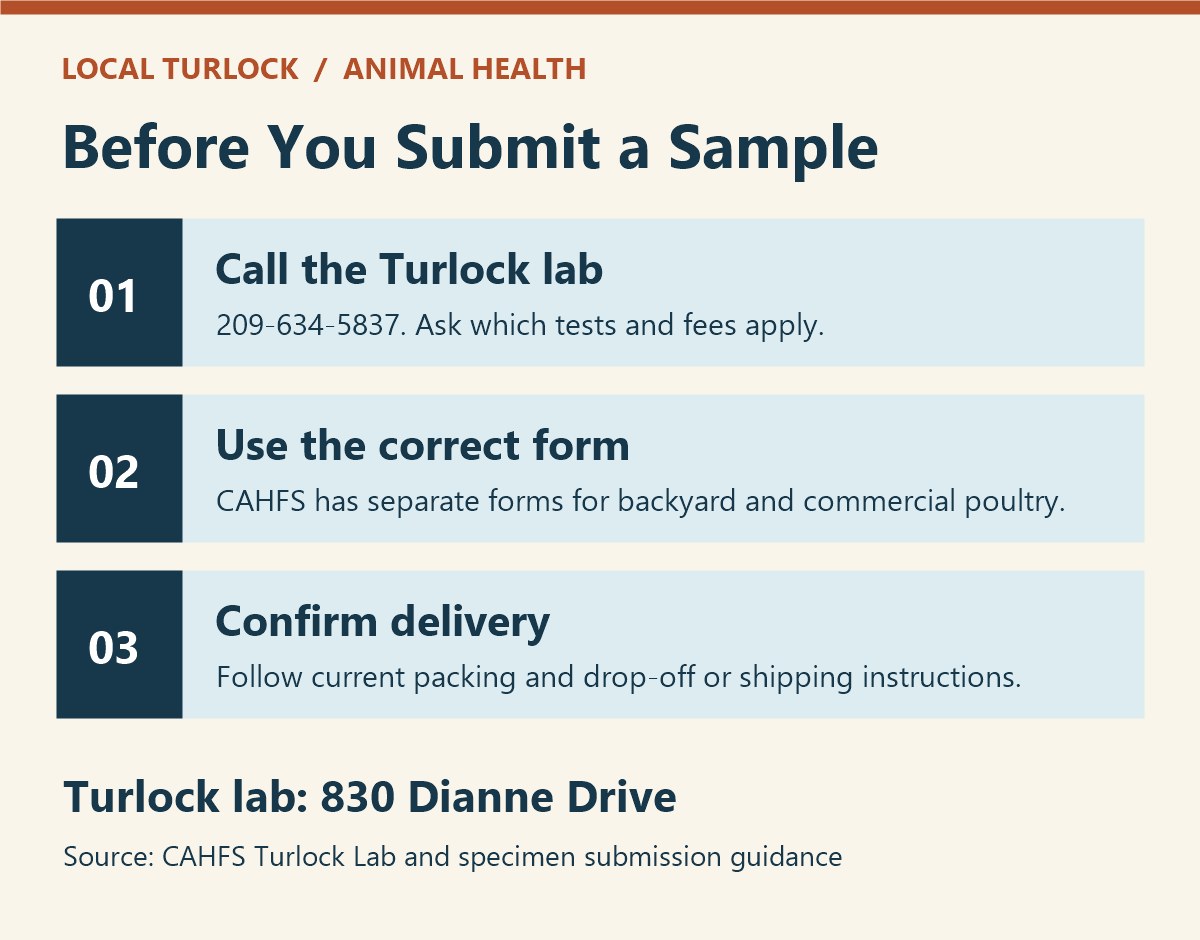
Start with the Turlock branch page or call 209-634-5837 to check what the lab accepts, what it costs and how to deliver it. The lab has separate forms for backyard poultry and commercial flocks. Its specimen guidance asks for the animal’s history, identification and the requested test. For dog and cat necropsies, the lab accepts submissions from veterinarians and authorized agencies. Pet owners should arrange it through their veterinarian.
If several birds in a flock get sick or die unexpectedly, the state asks owners to call the CDFA Sick Bird Hotline at 866-922-2473. Call for guidance before transporting birds in that situation.
The Two Names on the Building
The branch honors Arthur A. Bickford and Bruce R. Charlton, both veterinary pathologists who led the Turlock lab and earned national recognition for work on bird diseases. Their names are on the entrance at Dianne Drive, where the branch still does the poultry work they helped build. UC Davis has photos and details from the dedication.


