
Last updated
Foster Farms began with a $1,000 loan and a husband and wife raising poultry outside Modesto. For Turlock, the story became much bigger than a label in the grocery store: turkey plants, hatcheries, feed deliveries and paychecks. The name is still familiar, but the business has changed. The Foster family sold the poultry company in 2022, and its fresh-turkey operation in Turlock closed in 2025.
- Founded: 1939 by Max and Verda Foster, near Modesto.
- Headquarters: Livingston, in Merced County; Turlock became an important turkey-processing location.
- Owner: Atlas Holdings acquired the poultry business in June 2022. Crystal Creamery is a separate dairy company.
- The Turlock change: The 2025 closure affected the fresh-turkey operation and related facilities. Foster’s separate cooked-products operation continued; Diestel bought the former fresh-turkey plant.
Jump to Max and Verda · The Turlock plants · The 2025 closure · Ownership and dairy · White House turkeys · Food safety · Local jobs.
Max and Verda: poultry, a newspaper job and a lot of night work
The company dates its start to 1939, when Max and Verda borrowed $1,000 against a life-insurance policy. The small operation was outside Modesto, near Waterford. A 2014 Congressional Record tribute describes an 80-acre farm, followed by a feed mill in 1950 and Livingston processing in 1959. The later plants grew out of a business that first had to raise the birds themselves.
Verda got up at night to turn incubating turkey eggs, according to the company’s history. Those eggs would hatch into poults—young turkeys that still had to be raised before they could be sold. The family gradually added chickens, hatchery equipment and processing capacity.
Max also had a career many people would not associate with poultry. The Stanislaus County agricultural Hall of Fame biography identifies him as a Modesto Bee city editor. It credits both spouses with building the business and describes Max’s habit of tackling practical problems: he devised a conveyor to move milk-bottle crates instead of lifting them by hand.
The biography also recounts an unpleasant discovery among the dairy’s returned milk bottles: one smelled of gasoline. Max could not control what customers put in a bottle before returning it. According to that account, the incident prompted his move to disposable milk packaging.
When the company marked its 75th anniversary in 2014, the celebration took place at the original Foster ranch. The Journal described the modest house and silos behind it. By then, a farm started by two people had become a major West Coast food business, with Livingston as its headquarters.
How Foster Farms became part of Turlock
Turlock’s turkey industry was already established when Foster Farms expanded into it. Two acquisitions help explain why residents remember different company names on the local plants. The Bee’s Foster Farms timeline records the purchase of the Grange Company’s poultry business in 1982, followed by the Butterball turkey operation in 1999.
Valchris, the Grange Company’s poultry subsidiary, was sold to Foster in January 1982. Grange’s remaining properties were liquidated in later years, according to local historian Harrison Power’s history of the Grange silos. The familiar Grange grain elevators in Modesto followed a different ownership path from the Turlock poultry business.
The Butterball name has another explanation. A June 1999 trade report announced that Butterball, then a ConAgra subsidiary, would sell its Turlock plant and feed mill, plus a Fresno hatchery, to Foster Farms. The announcement said Foster would continue making Butterball products at Turlock. A plant’s owner and the label on its products could therefore be different.
The local footprint extended beyond a processing line. Foster renovated a former chicken hatchery on South Walnut Road for turkeys, adding incubators, electrical upgrades and air-handling equipment. The Journal’s expansion report said the hatchery became operational in May 2016 and added 25 jobs.
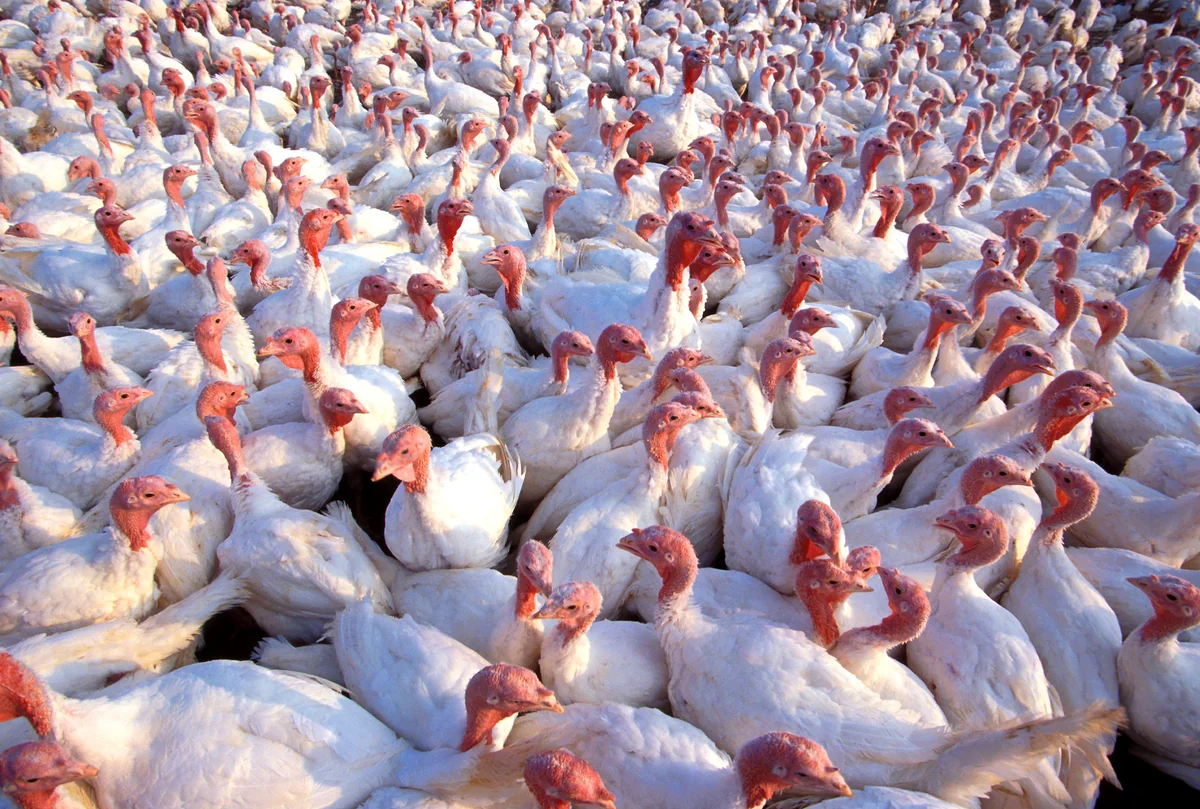
The parts of the business have different purposes: a hatchery produces young birds; ranches raise them; a feed mill supplies their food; live-haul crews transport them; processing facilities prepare products for customers. That helps explain why a turkey-plant decision can affect workers at several addresses, rather than only people inside one building.
What closed in 2025—and what did not
On January 24, 2025, Foster Farms announced that it would close its Turlock fresh-turkey operation beginning May 9. The city’s January–February economic development report recorded 519 employees affected by the announcement. The facilities were the fresh-turkey plant at 500 F Street, Turlock, live haul at 550 C Street, Turlock, and the turkey feed mill at 3600 W. Main Street, Turlock.
The company attributed the decision to changing market demand and its business strategy. In contemporary local reporting, it offered placement assistance and transfers to available Valley positions. Transfers depended on vacancies at the other facilities.
Foster’s separate fully cooked poultry facility continued operating. That neighboring business makes lunch meat and other cooked turkey products, and the fresh-turkey closure did not affect it.
Later in 2025, Sonora-based Diestel Family Ranch bought the former fresh-turkey plant. The Journal’s report on the purchase described plans for an early-2026 restart, with hiring and production increasing gradually. The Bee reported planned ground turkey, burgers and roasts and explicitly distinguished Diestel’s plant from the neighboring Foster cooked-products business. The purchase did not come with a promise to restore all 519 affected jobs.
For anyone looking for work, that ownership change matters: a position at the former fresh-turkey plant would be with Diestel, while a Foster Farms listing belongs to the separate company. The F Street address alone no longer tells the whole story.
The Foster name stayed; family ownership did not
Atlas Holdings completed its acquisition on June 7, 2022, buying the poultry company from entities associated with the Foster family. Atlas retained the Foster Farms name and Livingston headquarters. The sale price was not disclosed.
The transaction ended more than eight decades of family ownership of the poultry business. Donnie Smith became chief executive at the time of the acquisition. Jayson Penn succeeded him in March 2024, and a 2025 joint company announcement also identifies Penn as Foster’s CEO.
The dairy story is separate. Max and Verda established Foster Dairy Farms in 1941. According to Crystal Creamery’s own history, the dairy acquired Crystal in 2007 and adopted the Crystal Creamery name in 2010. Crystal retained its separate, family-owned dairy business when the poultry company was sold to Atlas.
The television chickens—and two turkeys at the White House
For many shoppers, the company’s most recognizable characters were the Foster Imposters, introduced in 1993. The comic chickens tried to pass themselves off as Foster birds. The campaign gave a poultry brand a personality, but another pair of birds brought the Valley to a very different stage.
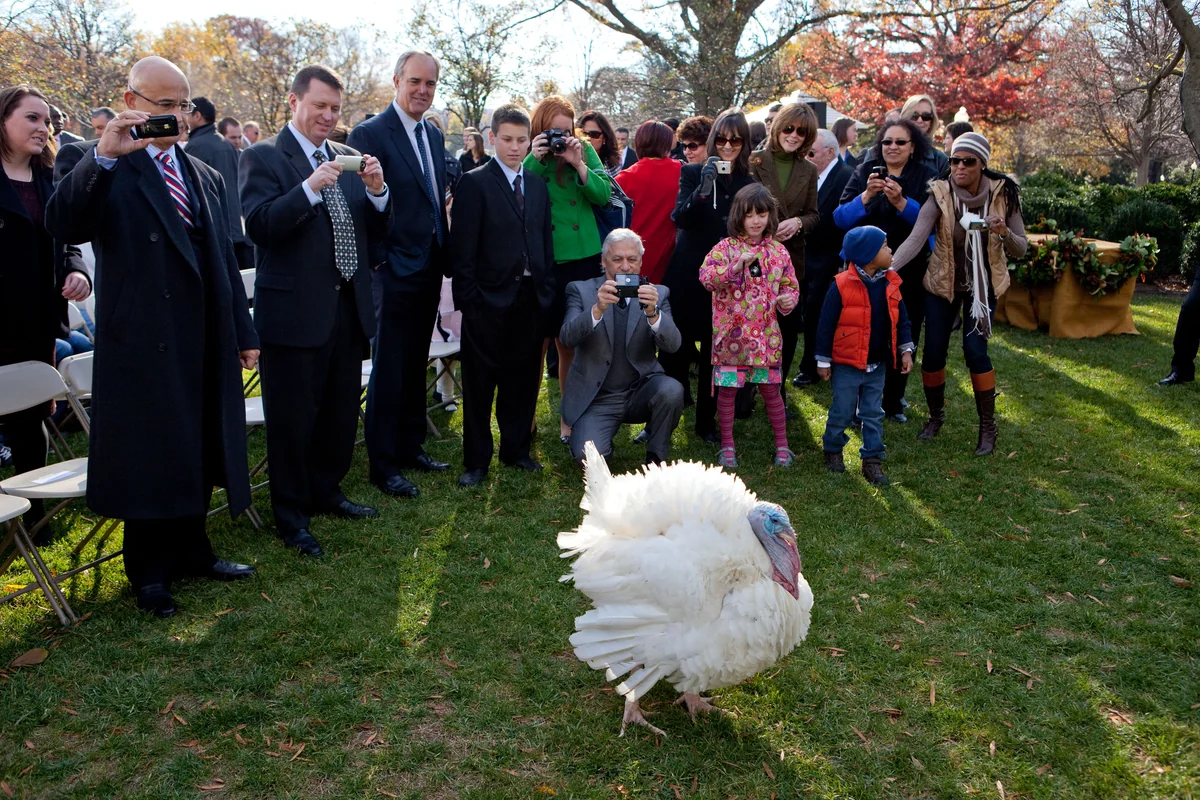
On November 24, 2010, President Barack Obama pardoned Apple and Cider, turkeys raised at Foster’s Wellsford Ranch outside Modesto. The White House’s background notes say the birds were 21 weeks old and weighed 45 pounds. California schoolchildren submitted their names. After the ceremony, the turkeys went to Mount Vernon.
Watch the White House’s video of the 2010 ceremony to see Apple’s appearance in the Rose Garden.
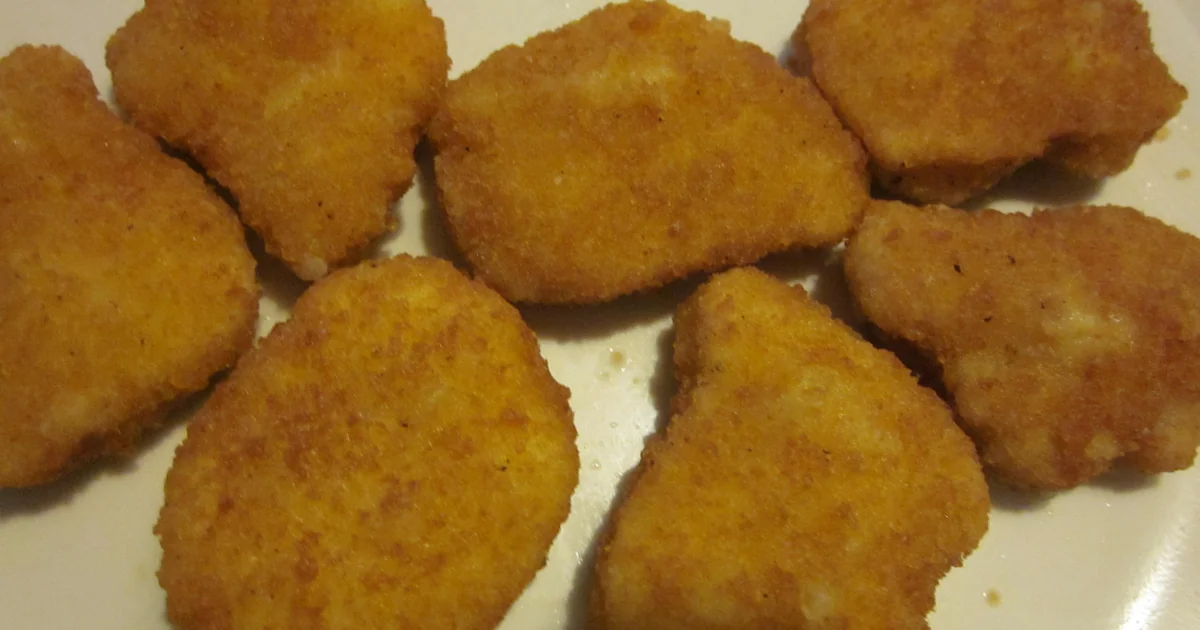
The products in stores go well beyond whole birds. Foster’s current product range includes fresh and frozen chicken, nuggets, wings, corn dogs, franks and deli products. That variety helps explain the distinction between raw-poultry processing and the cooked-products business that continued in Turlock after the 2025 closure.
Food-safety problems are also part of the record
The CDC’s final report on the 2013–2014 Salmonella Heidelberg outbreak linked the outbreak to Foster Farms chicken and recorded 634 cases in 29 states and Puerto Rico. Thirty-eight percent of patients with available information were hospitalized; no deaths were reported. In July 2014, the CDC said the outbreak appeared to be over, and reported that federal inspectors found the company’s contamination-control measures successful. The investigation concerned chicken produced at California facilities; it did not identify Turlock’s turkey plant as the source.
In its 2019 sustainability report, Foster said it had invested $75 million in food safety.
A different problem prompted an October 2025 recall of specified chicken corn dogs and ground-turkey-on-a-stick products: possible wood fragments in the batter. The USDA notice was expanded on October 17, 2025. Foster’s voluntary-recall announcement listed affected products and told customers not to eat them.
For a current product concern, use the USDA’s current recall list and Foster’s consumer contact page. Match the product name, lot information and dates on your package to the notice.
Finding Foster Farms jobs around Turlock
Poultry employment includes much more than processing work. Employer-posted listings around Turlock have included production, maintenance and refrigeration, supervision and ranch work. Livingston and other nearby communities also appear in regional hiring. The most useful starting point is the official Foster Farms job board, linked from the company’s current website.
- Filter by location. Search Turlock first, then consider Livingston, Delhi or Denair if the commute works for you.
- Read the shift and duties. Production work, refrigeration maintenance and ranch positions can have very different schedules and requirements.
- Use the employer’s application link. An older listing or a photograph of a past hiring sign may point to a position that has closed—or to a plant with a different owner.
If your commute involves buses, start with our Turlock Transit guide. Check the workplace address and the first and last bus against the hours in the job listing.
The company’s headquarters is listed at 1000 Davis Street, Livingston in the FMI employer directory. Use the job board to apply for work and the consumer contact page for product questions.
For more on the surrounding communities and local employment, see our Livingston guide and Turlock FAQ. The Soderquist family’s hatchery story follows another early part of Turlock’s poultry industry; the farms and farm stands guide covers farms visitors can actually stop at.
