Last updated
A burning smell brought Turlock firefighters to a home in July. The problem was hidden beneath the floor: an overheating electrical junction box. According to the city, crews used their new C-THRU helmet system to pick up a faint heat signature and find it.
That small, specific example says more than a futuristic product demonstration. Turlock is using a tool designed to help firefighters make sense of surroundings they cannot easily see, while giving commanders outside another view of what is happening inside.
Already in Use in Turlock
The city’s October 2 announcement identifies Turlock as one of 10 communities nationwide with Qwake Technologies’ C-THRU operationally deployed. Mayor Amy Bublak, City Manager Dr. John J. Murphy and Fire Division Chief David Mallory represented the city at an Oklahoma public-safety showcase. John tried the equipment in a controlled live-fire training unit.
The Turlock Journal’s recent coverage brings attention to that deployment. The underlying city announcement is from earlier this month; this is equipment already being used, rather than a new purchase announced today.
What the Firefighter Sees
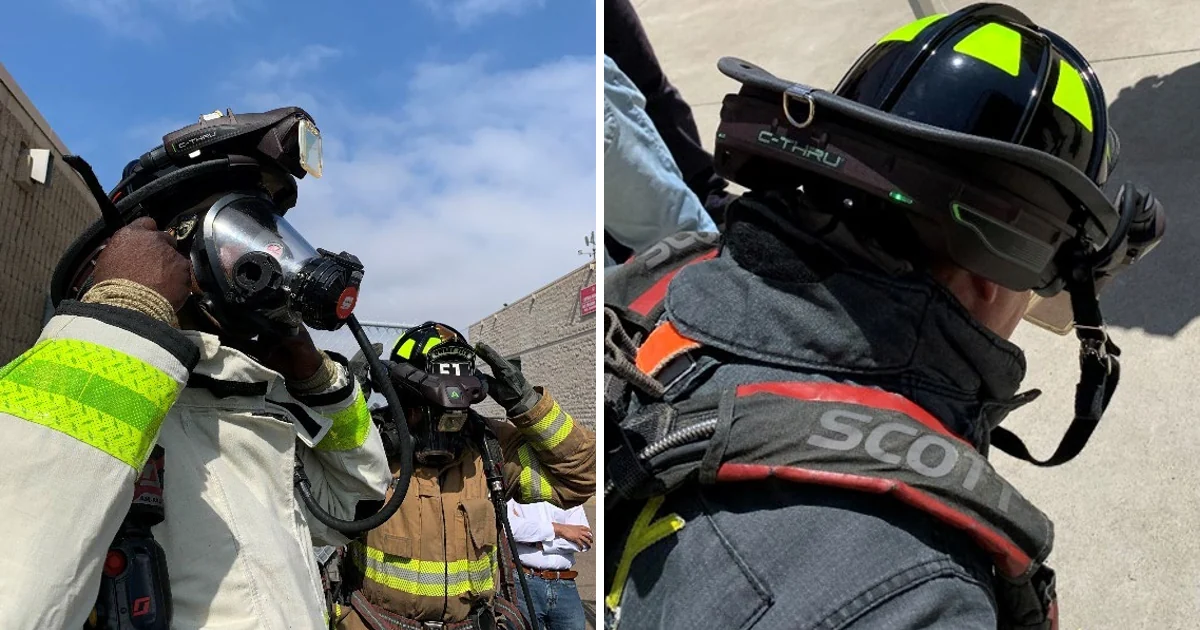
C-THRU combines a thermal camera, image processing and a display mounted on a helmet. The idea is to make important features easier to recognize without requiring a firefighter to hold a separate camera in one hand. The helmet view can emphasize the edges of objects in front of the wearer.
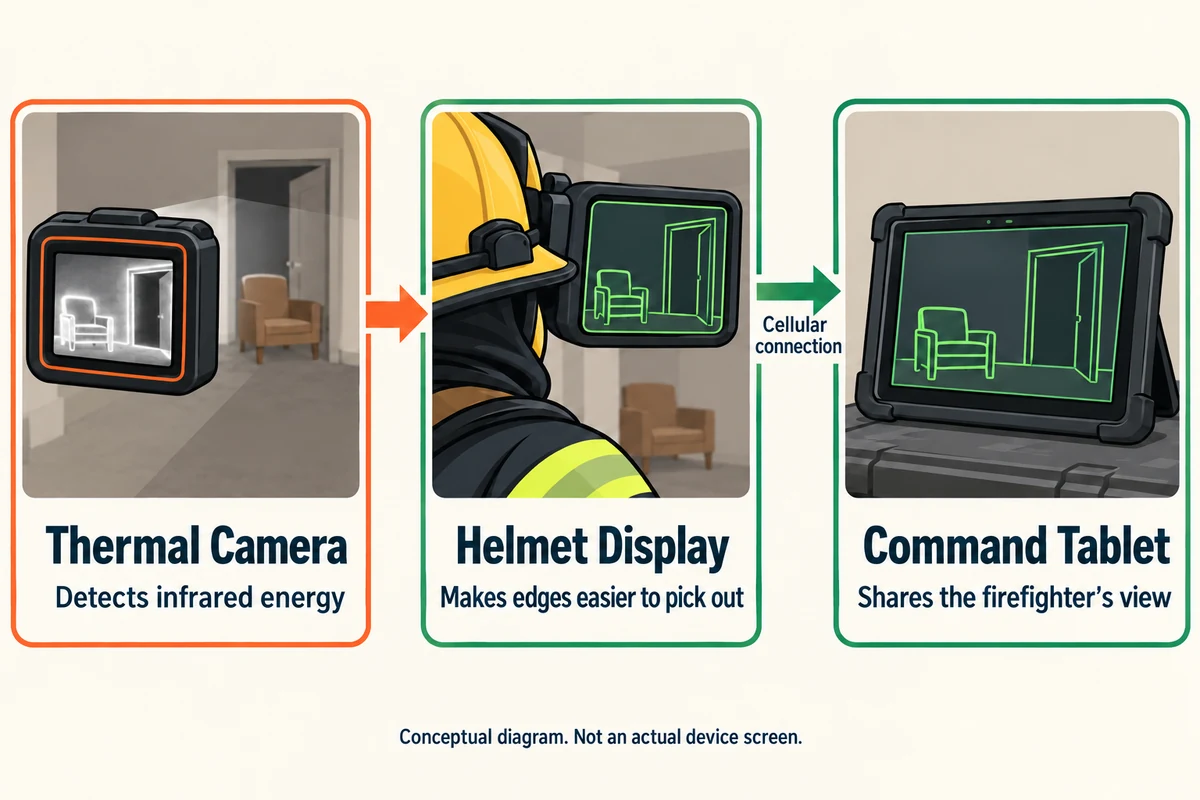
A Department of Homeland Security fact sheet describes the goal as helping responders identify surface edges and exit routes in dark, smoke-filled spaces. That explains the appeal: a doorway, stairs or furniture can become difficult to interpret when visibility disappears. The technology provides visual information that crews can use alongside their training and other equipment.
A Second View for Command
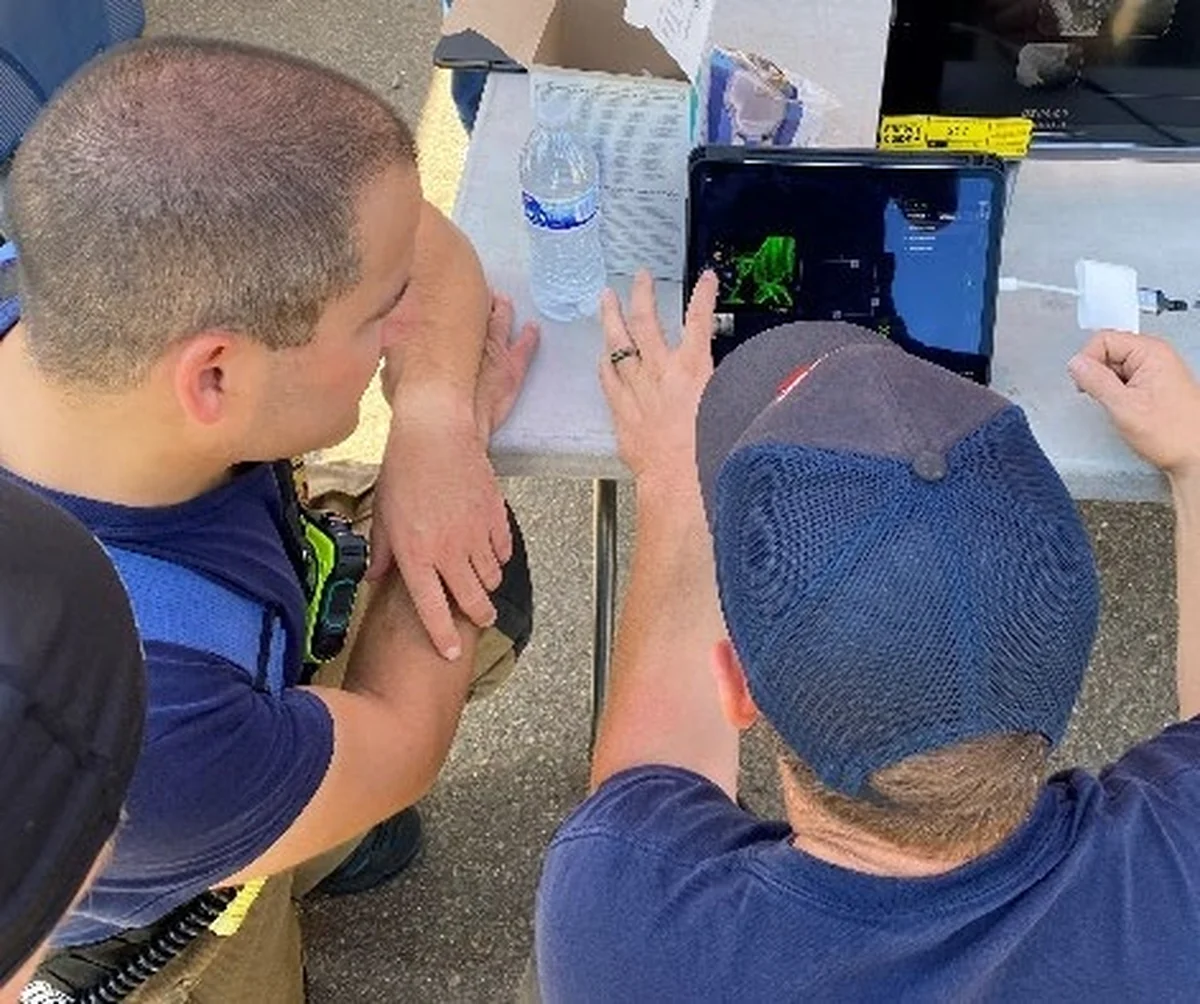
The person wearing the helmet is only one part of the system. Qwake’s current Navigator description says video can stream to a command tablet, where incident leaders can follow the wearer’s view. It also describes visual messages for actions such as evacuation and personnel checks, plus recorded footage for review and training.
That gives the commander a different kind of information from a radio description alone. Someone outside can see features in the camera’s field of view while coordinating the response. The manufacturer’s product page shows the equipment and display modes for readers who want to see what the actual system looks like.
What Earlier Testing Found
A March 2024 federal field-assessment report provides useful context beyond the sales pitch. Eight firefighter evaluators tested prototypes in San Diego on August 24, 2023. They valued the image clarity, hands-free view and information available to command.
- Fit mattered. Evaluators raised concerns about weight, comfort and helmet adjustment.
- Connections needed more testing. Participants wanted harder trials of cellular streaming in varied buildings and places with weaker service.
- Controls and alerts needed attention. Suggestions included easier-to-identify buttons and more prominent Mayday notifications.
Those are findings from an earlier prototype assessment, not an inspection of Turlock’s current equipment. They show why practical experience and continued evaluation matter as the system moves into everyday use.
The Local Result to Watch
The city’s July junction-box account is an early example of a problem crews located with the system. The announcement does not give a local unit count, purchase price or department-wide performance study. It also does not establish what would have happened at that home without the device.
For residents, the useful follow-up will be how Turlock’s crews use it across different calls and what they learn from that experience. Read the city’s linked account for the local incident, and the federal report for the earlier testing. For emergency numbers and the right office for routine concerns, keep our Help & Local Services directory handy.