Last updated
There is a telescope on top of Naraghi Hall, and this Friday Stanislaus State is inviting the public to an evening of astronomy. You can also look through telescopes beside the pond and try space and physics activities without getting a rooftop reservation.
Astronomy Night is Friday, October 23, from 6 to 9 PM. One detail matters before you round up the family: the rooftop sessions and general admission have separate signups. Rooftop reservations currently show full; general admission still has room.
Friday Night at a Glance
- Where: Naraghi Hall of Science at Stanislaus State, 1 University Circle, Turlock.
- When: Friday, October 23, 2026, 6-9 PM, according to the university event listing.
- Who: The public is welcome. Minors must stay with an adult.
- Reserve: Use the official Astronomy Night signup and read the admission options before choosing.
- Questions or access needs: Robert Bell, (209) 664-6987 or rbell4@csustan.edu.
Jump to: Registration · What You Can Do · Getting There · Your First Telescope View.
General Admission Is Still an Option
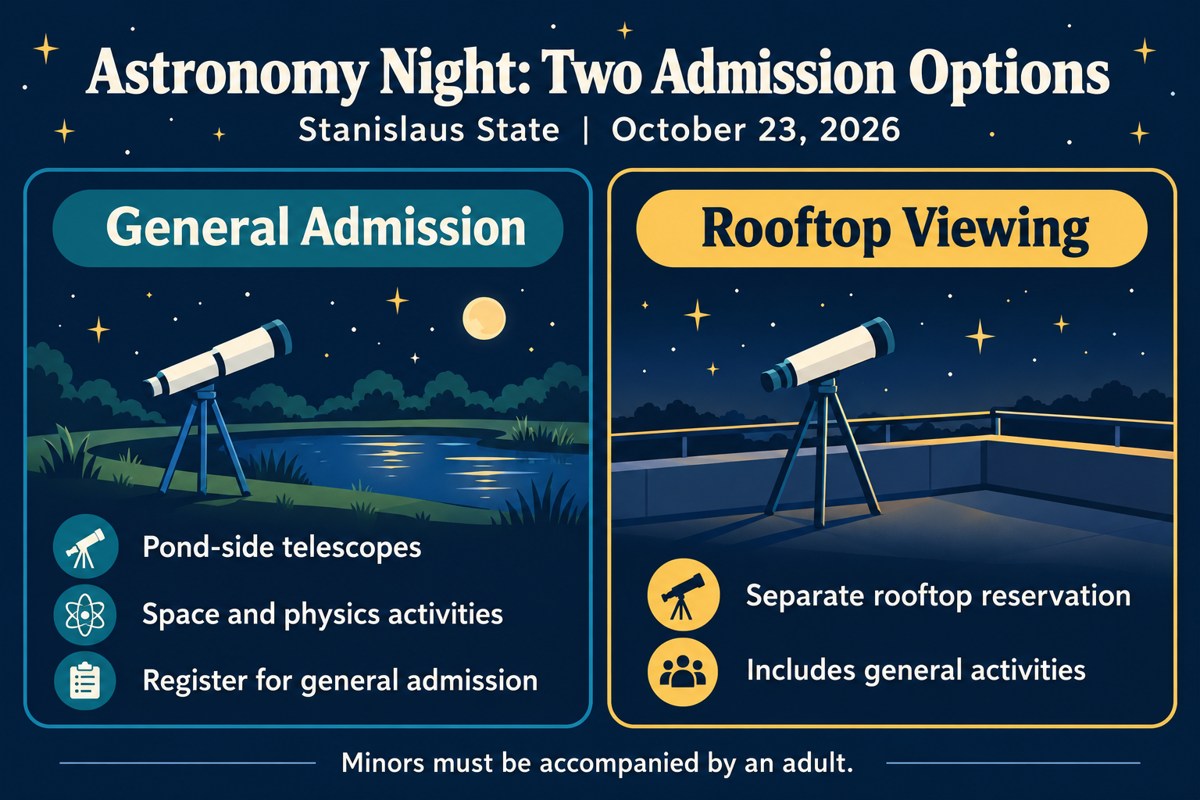
The signup separates the evening into two choices. General Admission covers the telescopes by the pond and astronomy activities. A Rooftop Reservation adds a timed session with the rooftop telescope and also includes the general activities.
As of publication on October 21, the rooftop sessions listed on the signup page are marked full. General admission remains available. A general-admission place does not reserve a rooftop session; check the live signup for openings or changes.
There is a small timing mismatch in the official pages: the main announcement says 6-9 PM, while the general-admission signup row says 6-9:30 PM. Plan around the advertised 6-9 PM window, and contact the organizer if the later finish affects your visit.
More Than a Line for a Telescope
The announced activities include making constellations and exploring Moon phases, alongside hands-on space and physics activities. That gives families something to do between looks through an eyepiece, especially when children want to make or handle something themselves.
Past editions show how this works. In its 2024-25 event report, Stan State describes straw rockets, cookie-based Moon-phase models and shock-wave demonstrations at the November 2024 Astronomy Night. That event drew 144 participants and 49 volunteers. Those are examples from a previous year, rather than a promised activity list for Friday.
For a younger child, a useful starting question is simply, “What am I looking at?” For an older student, try asking why an object looks different through the telescope than it does in a photograph. There is no need to turn the evening into a quiz or rush through every station.
Getting to Naraghi Hall and Parking
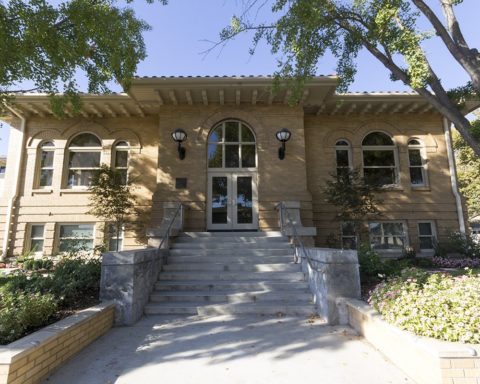
Use the university’s Naraghi Hall map and floor-plan page to locate the building before leaving. A driving app can get you to the campus, but the building map is more helpful for the final walk.
The university’s visitor parking page lists daily permits at $6, available near campus entrances. Visitors are generally required to pay for campus parking. The Astronomy Night announcement does not advertise a parking waiver, so budget for a permit and follow the signs where you park. City-street parking along the campus perimeter does not require a university permit, although posted street restrictions still apply.
Bring a layer for standing outside and wear shoes you are comfortable walking in. If stairs, rooftop access or another part of the setup could be difficult, contact Robert Bell before Friday to discuss an accessible way to participate. The event listing specifically invites accommodation and access questions.
What to Ask During Your First Telescope View
Start by asking the operator which object is in view and what detail to look for. If the view seems blank or blurry, say so. Ask for help positioning your eye before moving the equipment or turning a knob. An eyepiece can take a moment to get used to.
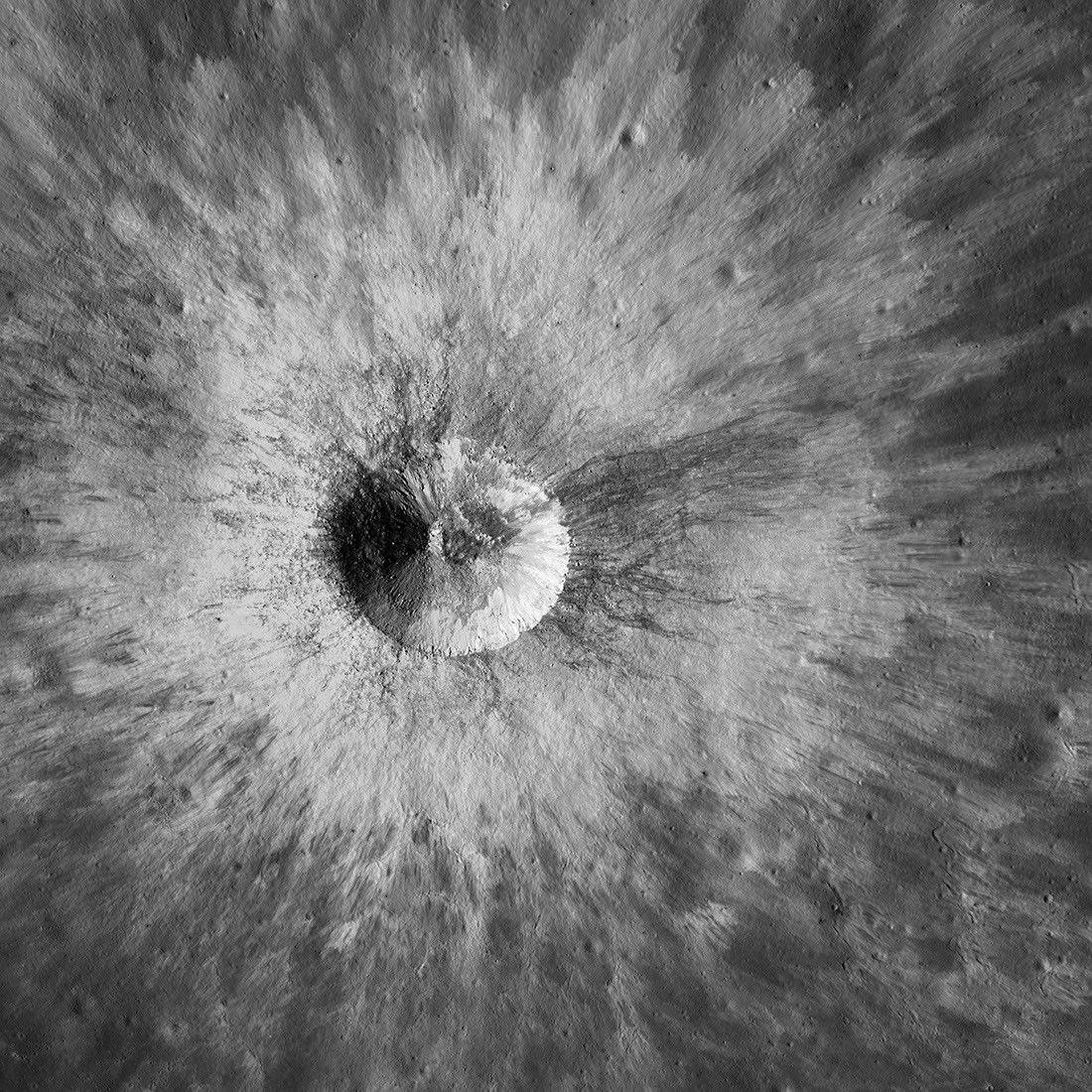
The Moon is a good subject to learn on. NASA’s Moon-viewing guide explains that binoculars reveal terrain and that a telescope brings out mountain ridges, crater chains and other features. Look near the boundary between light and darkness, called the terminator, where shadows help the relief stand out.
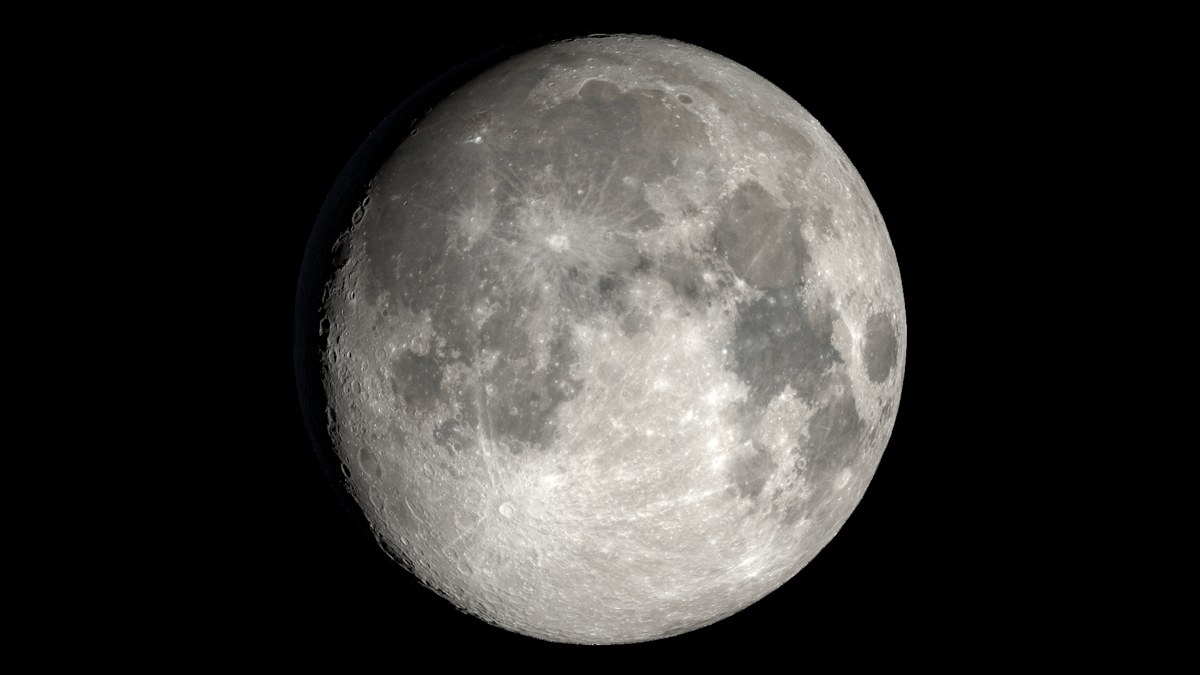
Friday’s Moon will be nearly full. The NASA 2026 Moon-phase dataset puts its illumination near 95 percent at 8 PM Pacific; the header image is NASA’s visualization for that hour. Actual views depend on clouds, viewing conditions and the targets chosen by the telescope operators. The organizer has not published a target-by-target observing schedule.
The Local Program Behind the Evening
Science in Our Community has been opening Stan State’s science activities to local families since 2011. A spring 2026 university profile traces the program to Professor Emeritus Mark Grobner and describes its current director, evolutionary biology professor Jeanette Pirlo. Students, faculty and staff volunteer to bring science beyond their own classrooms.
Jeanette has also added adult programming, including Sip N’ Science at Dust Bowl. Astronomy Night is one way to try the program; the Science in Our Community website carries its other activities. For more campus background, read our Stanislaus State guide.
Before Friday: reserve the right admission option, save your confirmation and check the organizer’s listing again before heading out. If the rooftop sessions stay full, the pond-side telescopes and activities are still part of general admission.
What Would You Like to See?
What would you most like to see through a telescope? Join the Astronomy Night discussion on our Facebook post.
More Local Outings
Find other options in our guide to activities for kids and upcoming events calendar.