
Last updated
Is Turlock growing? Can you afford a place here, find work nearby and get around without a car? This FAQ starts with those questions, then gets into crime, earthquakes, schools and the practical details of living here.
- Population and growth
- Industries, employers and jobs
- Housing and cost of living
- Crime, earthquakes and weather
- Buses, trains and everyday travel
- Schools and life around town
Population and growth
Where is Turlock? Is it part of Modesto?
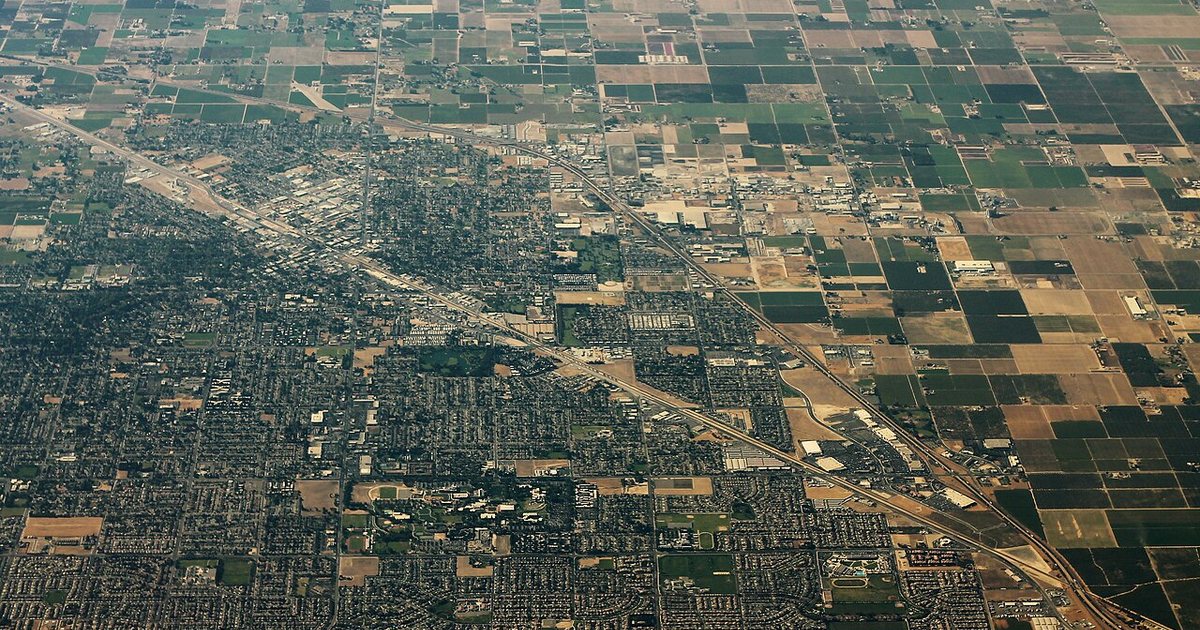
Turlock is a separate city in Stanislaus County, south of Modesto in California’s Central Valley. It has its own city government, police department, parks and transit system. The city’s overview identifies it as the county’s second-largest city. Denair, Keyes and Hilmar are neighboring communities, rather than Turlock neighborhoods; Hilmar is across the county line in Merced County. Our nearby towns guide explains those connections.
Is Turlock growing?
Slowly, according to the latest Census estimates. Turlock had 72,864 residents in July 2025, up 0.3% from the revised April 2020 population base. Longer term, the census counted 68,549 people in 2010 and 72,740 in 2020.
Why can Turlock feel busier even with modest population growth?
New stores and trips into town can change a shopping corridor without adding many residents. The city’s 2026 economic development plan reports that Turlock added approximately 334,000 square feet of retail space between 2017 and the third quarter of 2024. That was 56% of the county’s retail-space growth over that period. It is one reason commercial activity and population growth can tell different stories. For individual locations, see Shopping & Dining.
Where is the city trying to grow its economy?
The economic strategy adopted March 10, 2026 emphasizes retaining and attracting businesses, industrial development, stronger retail, downtown investment and infrastructure. Housing affordability and access to workers are also part of that plan. These are policy priorities; an adopted strategy does not mean every proposed project is built. For the places themselves, the areas and streets directory covers downtown, northwest Turlock and the major corridors.
Industries, employers and jobs
What industries support Turlock?
Agriculture connects to a much larger chain of work here: processing food, maintaining machinery, refrigerating products and moving them to market. The Turlock Regional Industrial Park is part of that food-processing and logistics economy. Education, healthcare and retail also provide employment. The city’s May 2026 employer report lists Amazon, Stanislaus State, Emanuel Medical Center, Blue Diamond, Mid Valley Family Foods, Divert and U.S. Cold Storage among major employers. That list is a starting point for a search, rather than a ranking of current vacancies.
Is GALLO in Turlock?
GALLO’s headquarters are in Modesto. Its company locations page describes corporate offices, production and warehouse facilities there. GALLO can therefore be a regional job option for someone living in Turlock, but the commute depends on the actual worksite and shift. Use its official careers portal and read the location on each posting. A company’s Central Valley presence does not mean every opening is in the same town.
Does Foster Farms still operate in Turlock?
Yes, but the operation has changed. Atlas Holdings’ current Foster Farms profile still includes Turlock among its locations. In 2025, Foster Farms announced the closure of its Turlock fresh-turkey operations, affecting 519 positions, with production ending May 9. The company said its fully cooked poultry facility would continue. That distinction matters when reading older employer lists. The Journal’s closure coverage and city report, page 8 document the change. Current opportunities belong in the Foster Farms job portal.
What does Blue Diamond do in Turlock?
Blue Diamond operates an almond-processing plant here. Its cooperative overview distinguishes Turlock from its Sacramento headquarters and its Salida processing operations. For a prospective employee, that distinction helps narrow a search: production, maintenance and plant-support work can have different locations and requirements from corporate positions. For a resident, the plant is a direct connection between the orchards around town and the packaged food economy.
What does Amazon do in Turlock?
Amazon’s MCE1 handles bulky products such as furniture and appliances. It is a fulfillment center, where orders are picked and packed, rather than a neighborhood delivery station. Our Amazon in Turlock guide covers its Fulkerth Road opening, jobs and college benefits.
What about Hilmar Cheese and the farms around town?
Hilmar Cheese is a nearby employer in Hilmar. Its California careers listings include work in operations, quality, engineering and finance. Search by location, since the company also operates elsewhere. Agriculture remains substantial across the region: the 2025 Stanislaus County crop report recorded approximately $3.326 billion in gross agricultural production value, including about $1.039 billion in almonds, $676 million in milk and $272 million in poultry. These are countywide farm-gate values, rather than farmers’ profits or Turlock city revenue. Our farms and farm stands guide covers places to visit.
What kinds of jobs are common around Turlock?
The Bureau of Labor Statistics’ May 2025 estimates show transportation and material-moving, office and administrative support, and food preparation and serving as the largest occupational groups in the Modesto metropolitan area. That statistical area covers Stanislaus County. Locally, look beyond a company name to its departments: a food processor may need mechanics, sanitation crews, forklift operators and accounting staff as well as production workers. A hospital or university likewise employs people in many roles beyond doctors or professors.
What do local jobs pay?
The same countywide BLS survey reported a mean hourly wage of $32.32 in May 2025. Examples ranged from $20.30 in food-service occupations to $24.36 in transportation and material-moving, $32.62 in installation, maintenance and repair, and $61.38 in healthcare practitioner and technical roles. These are occupational averages, rather than starting offers. California’s general minimum wage is $16.90 an hour in 2026; covered fast-food workers have a $20 floor, and covered healthcare workers follow separate rules.
How strong is the job market?
Stanislaus County’s unemployment rate was a preliminary 7.0% in August 2026, according to California EDD’s release. That is a countywide snapshot, and it says little about your particular trade or qualifications. For a useful search, check several employers, compare the actual pay and shift, and find out whether a listing is permanent, seasonal or temporary. A nearby opening with reliable hours may fit a household better than a higher-paying job with a difficult commute.
Where should I look for jobs and job-search help?
Start with employer portals rather than old reposted vacancies. These links lead to the live search pages:
- City of Turlock — municipal vacancies and application deadlines.
- Stanislaus State — staff and faculty recruitment.
- Foster Farms, GALLO and Hilmar — check the individual worksite.
- Amazon Jobs — search Turlock and nearby cities, then check the location and job type.
The Turlock Job Center at 1310 W. Main Street, Turlock offers self-directed job-search resources. County Workforce Development locations and job-seeker services explain advising and training assistance. Assisted programs can require enrollment and eligibility review; a training opportunity is not an automatic award.
Can students work at Stanislaus State?
Yes. Student employment is separate from the staff and faculty hiring process. Student-assistant jobs generally require current enrollment in at least six units, while federal work-study positions require an accepted work-study award. Read the posting for the specific requirements and hours. Students balancing classes with a job should also check when the last bus runs home; an evening shift can extend beyond their usual campus trip.
Housing and cost of living
Is Turlock cheaper than the rest of California?
Housing was lower in the comparable Census 2020–2024 estimates: Turlock’s median owner-occupied home value was $460,600, compared with California’s $734,700 and Santa Clara County’s $1,490,600. Those are historical estimates, not current sale prices.
What does it cost to rent in Turlock?
The 2020–2024 Census estimate puts median gross monthly rent at $1,612. California’s matching figure was $2,036. This is a five-year housing estimate in 2024 dollars, not an October 2026 asking rent. Gross rent includes estimated tenant-paid utilities, so it differs from a listing’s rent-only price. When comparing available homes, ask which utilities are included, what deposits apply and whether parking or pet charges are extra.
How much income do people earn, and what do homeowners pay?
The same Census estimates give a median household income of $82,995 and median monthly owner costs with a mortgage of $2,142. A household can contain several earners. The owner-cost figure describes existing households and their costs; it does not quote a new mortgage.
Which bills should I include besides rent or a mortgage?
Include electricity, gas, water, sewer, garbage, internet, insurance, transport, childcare and any moving deposits. Air conditioning deserves its own line in a summer budget. Turlock Irrigation District publishes electric rates and service rules, and the city links its water, sewer and garbage rates. The most useful household comparison is the property’s recent bills, paired with your own usage. A large house with poor insulation can cost more to run than a smaller place even when the rent looks similar.
What is a sensible way to compare two homes here?
Put both properties through the same monthly calculation. Start with rent or the estimated ownership payment, add utilities and required fees, then price the trips you will make most often. Visit during the hours you would actually leave and return. Check the school assignment and the route to groceries, healthcare and work. A lower advertised rent deserves a closer look if it adds a second car or a long daily drive. The areas guide helps locate the main streets and shopping districts.
Crime, earthquakes and weather
How is crime in Turlock?
The latest complete city table shows a decline: Turlock police recorded 1,193 Part One offenses in 2025, compared with 1,691 in 2024—about 29.4% fewer. The 2025 total included 261 violent and 932 property offenses. These are recorded offenses in the report’s defined categories, rather than every crime or a count of victims. See page 4 of the 2025 police report and the 2024 report.
Which crimes are most common in that table?
Property offenses made up most of the 2025 total: 710 larceny-thefts, 132 vehicle thefts and 90 burglaries. The violent categories recorded 154 aggravated assaults, 70 robberies, 35 rapes and two homicides. Those numbers come from the city’s crime table. A citywide annual count does not establish the risk at an individual home or parking lot. It also should not be compared casually with a website’s “safest cities” ranking, which may use different years or definitions.
How can I check crime near a particular address?
Use the Police Department’s crime map. The city says it refreshes daily and displays up to 180 days of incidents, with locations generalized by block and sensitive crimes omitted. Look at the kinds of incidents and their dates, then visit the property and the routes you expect to use. A blank patch on the map is not proof that nothing happened, and an incident marker is not a verdict on everyone living nearby.
Does Turlock have earthquakes?
Turlock can feel earthquakes that occur elsewhere in California. The city’s 2012 General Plan safety chapter identifies shaking from outside the area as its main seismic concern. The condition of the building and the soils beneath it affect potential damage. Being in the Central Valley does not remove earthquake risk. For a specific property, start with the state’s mapped hazards and the building’s records rather than assuming distance from the coast settles the question.
Where can I check a property’s earthquake hazards?
California Geological Survey’s EQ Zapp shows mapped fault-rupture, liquefaction and earthquake-landslide zones. It also identifies areas that have not yet been evaluated. Those are distinct hazards: liquefaction concerns how certain soils can behave during strong shaking, while a fault-rupture zone concerns a fault at the surface. An area outside a mapped zone can still shake. Use the map’s legend and coverage notes when reading a result.
Does Turlock flood?
Heavy winter rain can produce shallow, localized flooding on the city’s flat terrain. The city’s planning FAQ distinguishes that problem from mapped major floodplains. For a home you are considering, use FEMA’s address search and look at the property’s drainage as well as the map. A driveway, low yard or nearby street can collect water even where the broader map looks reassuring. The city publishes seasonal sandbag information during wet weather.
How hot does Turlock get?
Triple-digit summer heat is part of living here; National Weather Service forecasts for Turlock included highs above 100°F in summer 2026. That matters for outdoor shifts, sports and walks across a large parking lot. Check the Turlock forecast and heat alerts for the day you are planning. For a home, ask about cooling, insulation and shade. For an outing, a shaded morning stop can be a better fit than the same activity in the middle of the afternoon.
What is tule fog, and does it affect the commute?
Tule fog is the Central Valley’s dense winter fog. The National Weather Service’s explanation describes exceptionally thick episodes from late October through February. Visibility can change sharply along a route, making a familiar drive take longer. Its fog-driving guidance recommends slowing down, leaving more room and using low beams. When comparing a winter commute, leave time for conditions rather than treating a clear-day drive as the everyday schedule.
Is air quality a concern?
Yes. Summer ozone, fine particles and wildfire smoke can affect whether a day is suitable for outdoor exercise. The San Joaquin Valley Air District has a Turlock monitoring station and publishes live local readings. Those readings can be more useful than how clear the sky looks. Check the conditions when planning sports, playground time or outdoor work, especially during smoke events; a fixed “typical AQI” number would quickly become misleading.
How do I receive emergency alerts?
Register for StanAware through Stanislaus County. The system sends location-based emergency notifications by phone, text or email. Enter the places you need alerts for, such as home and work, and keep the contact details current. It is a useful companion to weather forecasts and local news because an urgent notice may apply to a particular part of the county rather than all of Turlock.
Buses, trains and everyday travel
Can I get around Turlock without a car?
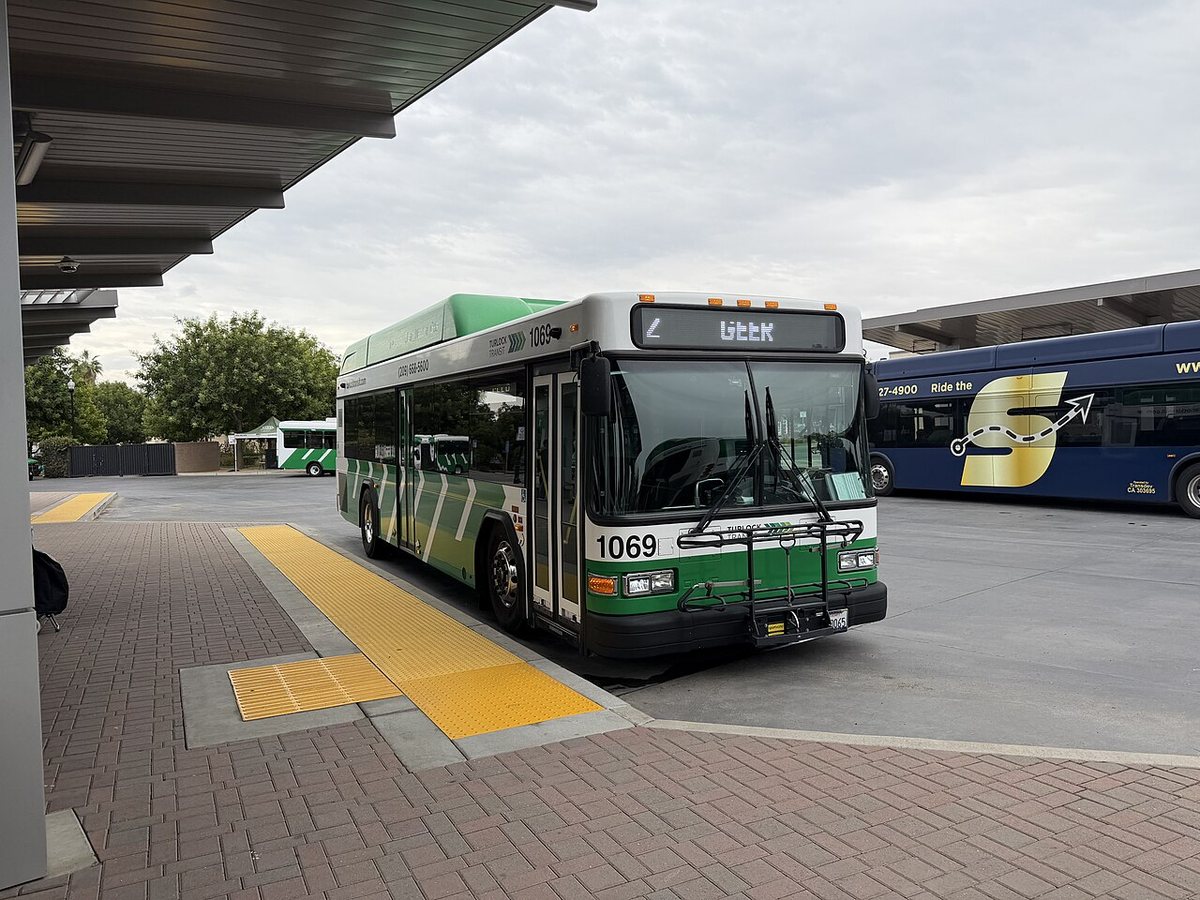
For many local trips, yes. Turlock Transit operates seven routes: Countryside, Geer, Olive, Colorado, Lander, Soderquist and Fransil. Routes meet at the Roger K. Fall Transit Center, at 1418 N. Golden State Boulevard, Turlock. The practical test is your whole trip: the walk to a stop, transfer time and the last service home. A bus that gets you to a workplace may not fit a late shift. The first-time rider’s guide explains routes, fares, boarding and transfers.
How much does the local bus cost?
A regular fixed-route pass costs $2 for a day or $30 for 31 days. The day pass permits multiple local rides, including a transfer or return trip. Seniors 55 or older, people with disabilities and Medicare cardholders qualify for $1 day and $15 31-day passes. Youth 18 and younger, eligible college students and faculty, public education employees, active military and honorably discharged veterans ride the fixed routes free. Carry proof of eligibility. A 31-day pass begins on its first day of use.
Do the buses run at night or on Sundays?
The local system’s hours are 6 a.m.–9 p.m. Monday through Friday and 9 a.m.–7 p.m. Saturday. Turlock Transit does not run on Sundays. These are system hours, so check your route’s actual last departure rather than arriving at a stop at closing time. Holidays can also change service. Someone working evenings or weekends should compare the timetable with every shift they expect to take, including the ride home. Regional StanRTA routes have their own schedules.
Can I take a bus to Modesto or towns west of Turlock?
Yes. StanRTA Route 10 connects the Turlock and Modesto transit centers; its published trip is about 37 minutes between centers, before waiting or walking. Route 45 serves Patterson, Crows Landing and Newman. Check regional routes and schedules for the connection through Keyes and Ceres on Route 29T. Regional buses have their own timetables and fares; include the local trip to the transit center in your plan.
Can I reach BART or the Bay Area by public transportation?
StanRTA has a weekday BART commuter connection. Route 100 runs from Turlock through Patterson to Tracy Hills; Route 90 continues from there to Dublin/Pleasanton BART. This requires a connection rather than one direct Route 100 bus to BART. Check the outbound and return timetables, then add the separate BART fare and the trip from the station to your destination. The commuter schedule is more limited than an all-day local route.
Where is the train station, and where can I go?
The Turlock–Denair station, code TRK, is at 3800 Santa Fe Avenue, Denair (station information). The service now called Gold Runner—formerly Amtrak San Joaquins—connects Valley cities with Sacramento and Oakland, and serves Merced, Fresno and Bakersfield. Connecting buses extend trips to places such as Los Angeles and Yosemite. Read the complete itinerary when booking: the route to a particular destination may include a transfer or bus segment.
Can I get to the Denair station without driving?
Turlock Transit’s on-demand service offers shared rides to the Denair station for $2.50 each way. Book through the Turlock Transit app or call 209-668-5600, allowing at least an hour’s notice. Reserving earlier gives you more room to plan around availability. Confirm both rides, especially an early train departure or late return; the service does not mean every train has a guaranteed pickup. Our transit-center guide explains the bus and train connections together.
Is ACE already running from Turlock?
No. The current ACE schedule runs between Stockton and San Jose and does not offer boarding in Turlock. A Turlock station is included in the planned Ceres–Merced extension. For a trip now, use operating services such as the train in Denair or an existing ACE station farther north. A proposed opening date belongs to the construction plan; it is not a trip you can book from Turlock today.
What if a disability prevents me from using a regular bus?
Turlock Transit offers ADA paratransit for people whose disabilities prevent fixed-route travel. It requires an eligibility review and advance booking; the eligible rider fare is $1, and an approved personal care attendant rides free. Reservations are due by 5 p.m. on the business day before travel and can be made up to 14 days ahead. General-public on-demand service is a separate option. Start with the provider’s eligibility information so the service and booking rules fit the trip you need.
Is Turlock walkable or bikeable?
Some trips work well on foot or by bicycle, especially when destinations are close together. The city’s active transportation plan describes its relatively compact street grid and links school-route maps. Comfort depends on the actual crossings and facilities along the way. Try the route to work, school or groceries before choosing a home on the assumption that a short map distance will be an easy daily walk. Summer heat and winter fog also change the experience.
Which airports should I compare?
Start with the flight you need. Stockton Airport offers a limited Allegiant schedule. Fresno Yosemite International and Sacramento International publish broader nonstop destination lists, while Bay Area airports may suit a particular route. Compare the drive, parking, departure time and connections together. Turlock Municipal Airport serves general aviation; it is not a substitute for those scheduled airline options.
Schools and life around town
Which schools would my children attend?
Use Turlock Unified’s enrollment page and My School Locator for the exact home address, then confirm with the district. A Turlock mailing address alone does not settle the school assignment. The district’s school directory lists elementary campuses, Dutcher Middle School, Turlock Junior High, Turlock High, Pitman, Roselawn, eCademy Charter and adult education. Programs include two-way immersion and Walnut’s magnet options. Transfer requests depend on space, so check before assuming a particular program is available.
Is Stanislaus State really in Turlock?
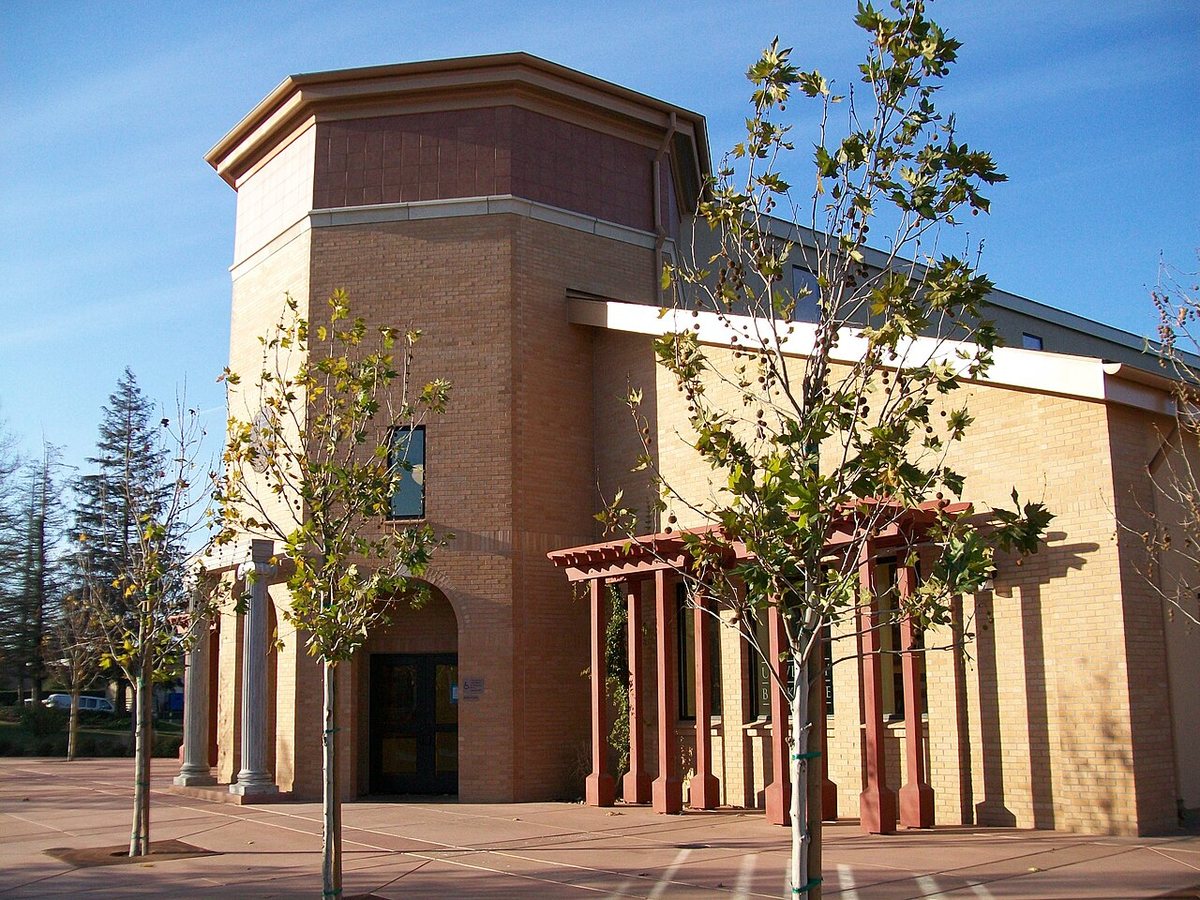
Yes. California State University, Stanislaus has its main 228-acre campus at 1 University Circle, Turlock, on Monte Vista Avenue, and a second campus in Stockton. Classes began at the county fairgrounds in 1960 before moving to the permanent campus in 1965. The university’s history records that move. For residents, performances, exhibits and athletics provide reasons to visit beyond attending classes. Our Stanislaus State page covers the campus and its local history.
What can families do without planning a big trip?
Start with the parks guide and activities for kids. They cover outdoor stops alongside indoor options such as bowling, play spaces and library activities. Pedretti Park has its own page for families interested in its fields and facilities. For a particular weekend, use Upcoming Events to find dated activities, then follow the organizer’s registration link. Free programs and a nearby park can make an afternoon out without a long drive.
Where should I start with restaurants, shopping and local history?
The Shopping & Dining directory groups places to eat and shop, with individual pages on local businesses. The areas directory helps place those stops along Main Street, Geer Road and other corridors. If you want to understand the names on parks and streets, start with Turlock’s history and its profiles.
Who handles local services and represents Turlock residents?
City government handles municipal services, while county, state and federal responsibilities have their own officials and offices. Turlock uses a council-manager form of government: the elected mayor and council set policy, and the city manager oversees day-to-day administration. The city overview explains that structure. Our local representatives directory is a place to find the relevant office and contact information, whether your question concerns a city service or something farther up the chain.
