
PEOPLE & PLACES · TURLOCK
Turlock’s police chief survived a burglar’s gunfire in 1923, then resigned after the mayor questioned his judgment. William Edward Bridegroom explained his concern for the officer’s safety with an unexpected qualification: 33 years in railroad service.
The surviving newspaper reports introduce a mayor who managed a seed warehouse, called for volunteers to plant highway trees and became caught in disputes over police work, Prohibition and military preparedness.
Updated 2026.
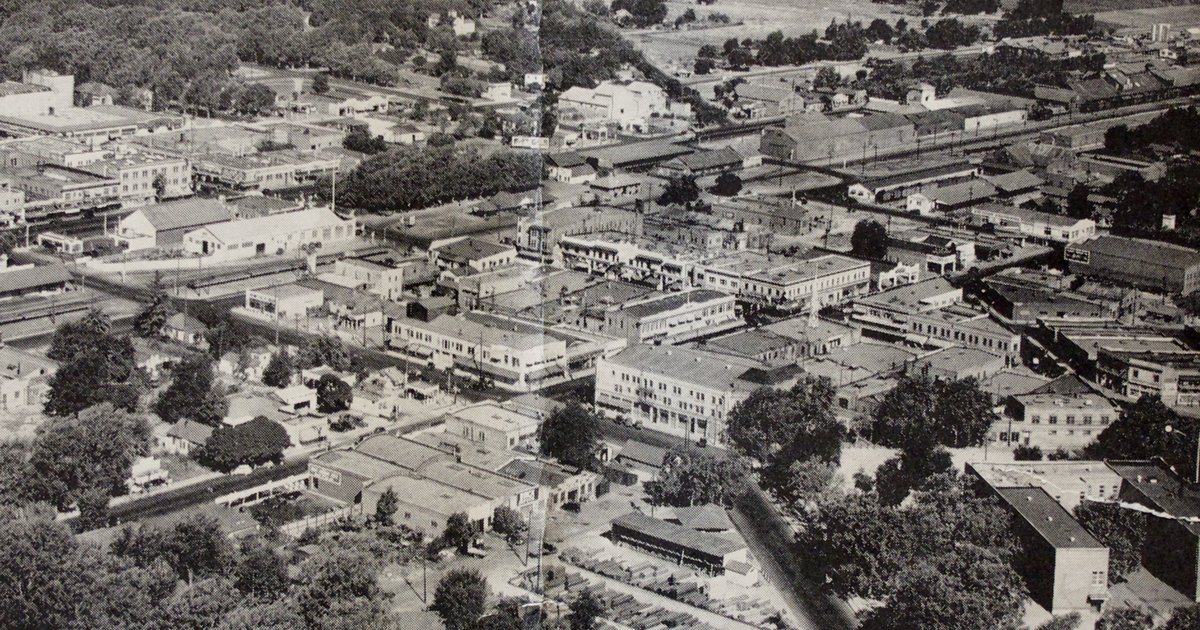
A railroad man at the seed warehouse
A December 5, 1940 obituary in the Livingston Chronicle identifies him as William Edward Bridegroom, a pioneer Turlock businessman who served as mayor from 1922 to 1926. He was 79 when he died; funeral services were held at the J. W. Guy chapel in Turlock.
Before that obituary, a March 23, 1922 campaign report placed Bridegroom among five candidates seeking three seats on the city council. The outgoing members included Mayor R. C. Geckler. Bridegroom was already well known locally as manager of E. W. Crowley’s seed warehouse on Lander Avenue.
The other candidates were described through their occupations too: a veterinarian, a plumber, a retired farmer and a market proprietor involved in a new store building. The report gives a useful picture of municipal politics in a working agricultural town. Voters were choosing among people they knew through animals, plumbing, crops and daily shopping.
The Crowell family’s adjoining farms show another route from agricultural business into local leadership during this period.
Three towns plan a morning with shovels
By January 1923, Bridegroom was issuing a mayoral proclamation for an unusually ambitious volunteer project. Turlock, Delhi and Livingston planned to plant trees along the state highway, from a point one mile north of Turlock to Livingston, on January 24. The previous day’s Modesto newspaper report described preparations for an 8 a.m. start.
The work had been divided among captains and their crews. Other volunteers handled water and transportation, stakes, netting, twine and whitewash. Each tree was to be whitewashed as it went into the ground. The organizers even expected friendly competition over which team could plant the most trees properly.
Bridegroom called on men, women and children who could assist to join in. His proclamation described a highway that would look better and be more pleasant to use in summer. The practical point was shade and a more attractive road, achieved through coordinated labor from neighboring towns.
The report preserves the plan and appeal, without identifying trees that might survive today. Volunteers had to arrange water miles from home.
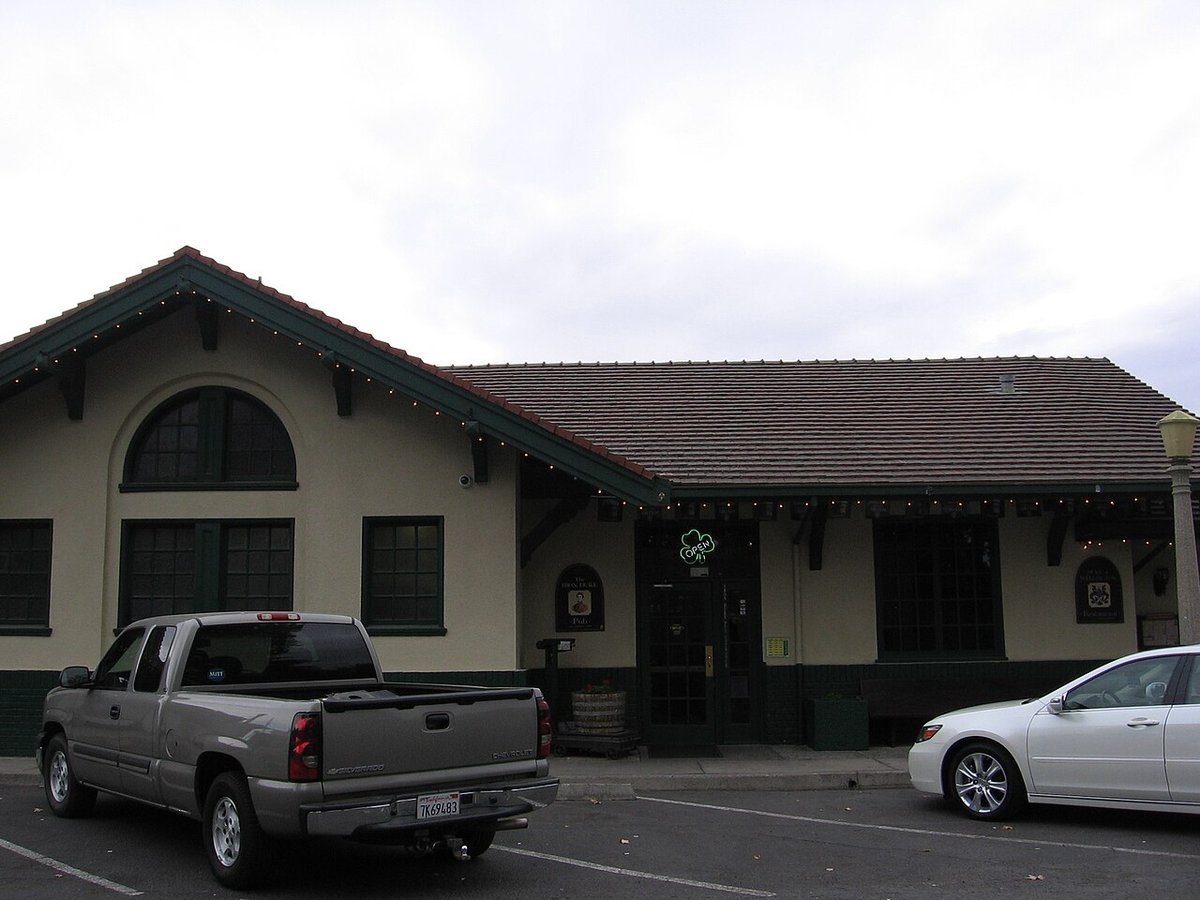
The police chief and the mayor disagreed about danger
The June 8, 1923 report on Police Chief Cal Redding has a sensational headline, but its detail is more revealing. Redding discovered a burglar in the office at C. C. Carlson’s lumberyard and followed through a window. The burglar fired, narrowly missing him, and escaped.
Bridegroom said the city did not want employees taking unnecessary chances. He recalled his years as a railroad yardmaster and supervisor, saying his concern was keeping workers from getting hurt. Redding took offense, submitted a resignation, and the council accepted it.
The paper printed both men’s accounts. Redding agreed with the sequence, said he had received fair treatment and reported a police-job offer in Salinas. The article also noted earlier friction with other law-enforcement officials.
The window chase was dramatic. The argument afterward concerned the judgment a city expected from the person running its police department.
Prohibition reaches the council minutes
Later that year, a cigar-store license produced another dispute. On November 21, 1923, the newspaper reported a two-to-two split over accepting the minutes of a meeting in which the trustees had voted to revoke A. C. Bigham’s license. Bridegroom and G. W. E. Johnson favored accepting the minutes; C. C. Carlson and Dr. J. W. Roberts opposed them.
The disputed procedure involved Bridegroom surrendering the chair to City Clerk A. P. Ferguson to obtain a vote. A November 27 report described Bigham seeking a court injunction, alleging that Ferguson was not a board member and could not preside in that capacity. The paper said Bigham had pleaded guilty to a liquor charge.
The reports describe the disagreement and Bigham’s allegations, rather than a final court ruling. A Prohibition-era liquor case had become a question about how Turlock conducted public business: who could chair a meeting, who remained present and whether the official minutes would be approved.
Ministers object to Defense Day
A Merced Sun-Star report from August 27, 1924 records a different disagreement. Turlock’s Ministerial Association, represented by the Reverend J. Cook, opposed a planned Defense Day observance. Cook objected to preaching peace while promoting the sword.
At a special meeting, Bridegroom nevertheless appointed a committee to arrange the celebration. The trustees favored volunteers who were willing to serve on it. A small local decision reflected an argument over the relationship between peace, patriotic observance and military readiness.
Continue with Brad Bates and a later chapter of Turlock’s mayoral history, return to the History of Turlock, or explore the places still in use in our Turlock Guide.
