
Last updated
CITY HALL, CAMPUS GROWTH & A FAMILY’S PLAYGROUND
Brad Bates has a park named after him. His daughter has a play park named after her. Augusta was ten when she championed Donnelly Park’s wooden playground; Brad helped turn the proposal into a project that thousands of volunteers could build.
Bates served as Turlock’s mayor from 1982 to 1990. His years in office included debates over growth around the college and a new signal for its entrance. Later came park-building, campaign-finance proposals, a 2018 run for mayor and a penny collection sealed away for Turlock’s future.
An Insurance Career Alongside City Hall
Bates worked in insurance while serving as mayor. An advertisement in The Signal’s April 15, 1986 issue lists him with Barry M. Turk at Central Insurance Agency, then at 875 Geer Road.
What Should Grow Around the College?
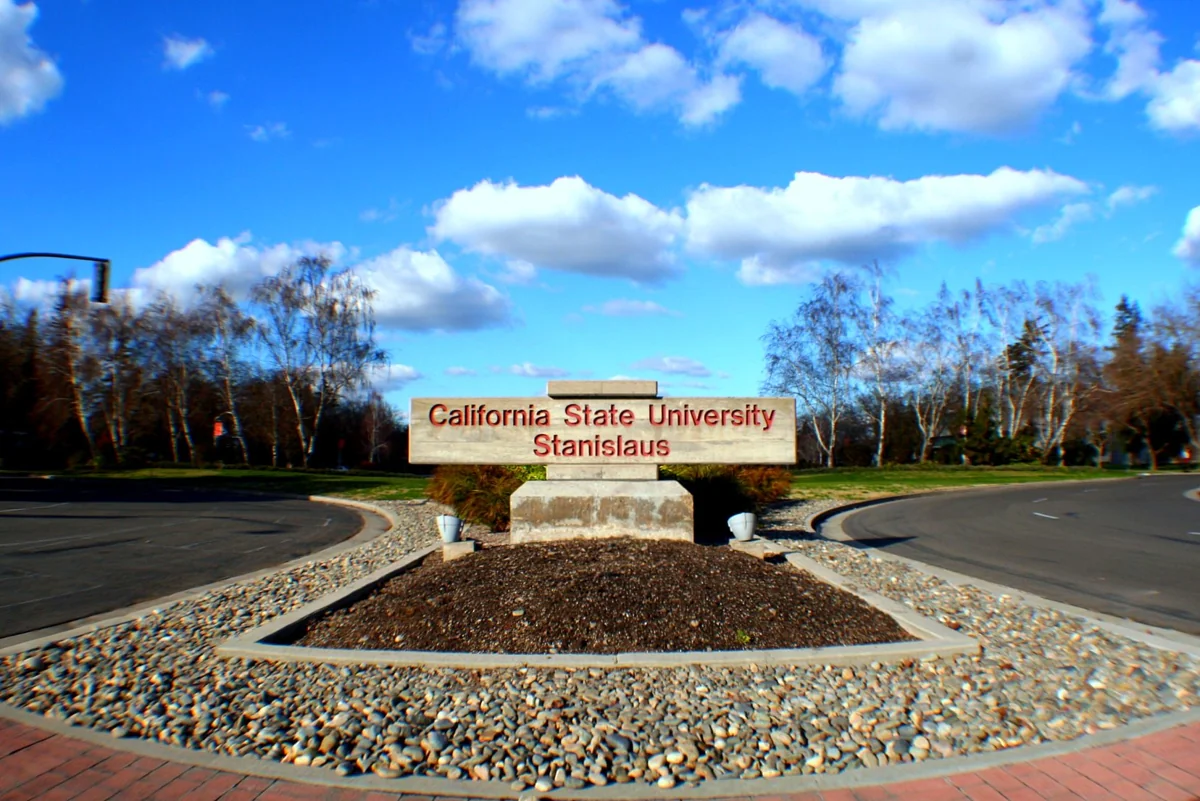
In 1984, the open land around Cal State Stanislaus was a major planning question. Bates wanted the city to treat the campus as an economic asset and think carefully about the development that surrounded it. The Signal’s March 13 report described his push for a $69,000 contract with Sedway-Cooke Associates to prepare a growth plan for 17,000 acres around the college.
The council had held back from approving the contract the previous week. Bates expected it to reconsider, arguing that the quality of growth mattered more than its volume. He envisioned a mixture of uses serving students, residents and businesses. Planning director Daniel Avila described the kind of industry that could fit: activity without disruptive noise, fumes or visual clutter.
The study went ahead. The Signal’s May 7, 1985 follow-up reported that the city had funded the $69,000 Sedway-Cooke survey the previous year. Planning Commission chair Curt Andre discussed its proposals for transit, a community park, a school and drainage improvements. The study had been produced, but its development recommendations were still tentative and required approval by the commission and council.
The College’s Birthday Present Was a Traffic Light
That October, Bates brought a traffic signal to the college’s 25th-anniversary dinner. He was the evening’s master of ceremonies, addressing a sold-out crowd of more than 400. CSU Chancellor W. Ann Reynolds attended; state legislators presented President Walter Olson with a plaque. Bates announced a city-funded traffic-signal project for the campus entrance on Monte Vista Avenue. The October 9 issue of The Signal reported an estimated $140,000 installation cost.
A follow-up the next week explained the safety problem behind it. Traffic engineer assistant Roger Fall said a study had found too few gaps in Monte Vista traffic for pedestrians to cross safely. A refuge in the middle of the avenue had been an interim measure. The council had approved the funding in August, while the college needed to realign its entrance with Del’s Lane. Engineering and bidding still lay ahead; the newspaper anticipated the signals by the end of summer 1985.
The lights were installed. The Signal’s February 25, 1986 issue published a photograph of the new entrance signals operating. A May 20 follow-up described Public Safety’s check of the intersection and confirmed a ten-second green phase for traffic leaving campus, even when no vehicle activated the detector. The original forecast was for summer 1985; these later reports establish that the installation was in service by February 1986.
From the Mayor’s Desk to the Sprinkler Trenches
A city newsletter from fall 2009 records Bates’s mayoral years and the October 9 dedication of parks honoring him and his successor, Curt Andre. Brad Bates Park occupies the west side of the Turlock Regional Sports Complex at 4200 Mountain View Road; Andre’s park was dedicated on the east side.
The park nomination listed work that went well beyond his two terms as mayor. City public-facilities maintenance manager Rick Harden cited six years on the Planning Commission, four as chairman, and service on two county commissions. He also described Bates installing sprinklers at Pedretti, helping develop Sunnyview’s off-leash dog park, joining Rotary workdays at the sports complex amphitheater, and fundraising for recreation projects. Bates had been named the Chamber of Commerce’s Citizen of the Year in 1987. Turlock City News preserved the nomination in April 2009.
The Playground Began with Augusta
In 1998, ten-year-old Augusta Bates took an idea for a wooden playground to service groups, churches, businesses and the City Council. More than $80,000 was raised, and over 2,400 volunteers built it in four and a half days. Her father helped organize the project and raise the money. The Journal revisited the build in September 2018, when the council unanimously approved the name Augusta Bates Children’s Play Park.
Brad had requested the renaming and agreed to pay for the new sign. Donnelly Park still lists Augusta’s playground among its attractions. It is at 600 Pedras Road; our park guide covers the picnic areas, pond and skate park as well.
Brian Zarka’s documentary, The Builds: Discovering We Can, follows the project through construction and the ribbon cutting. The film is published by El Nido Productions on Vimeo.
Campaign Donations and the Farmers Market Dispute
Bates remained active in local politics after leaving office. In 2016, he joined former councilmembers Mary Jackson and Ron Hillberg in seeking a TIN-CUP—Time Is Now, Clean Up Politics—campaign-finance ordinance. Their petition proposed barring a councilmember from voting on a matter materially affecting a major campaign contributor, defined in the proposal as someone who had given $1,000 or more in the previous 48 months.
Bates, Jackson and Hillberg argued that the downtown farmers market contract dispute showed the need for stronger rules about contributors and council decisions. The Journal’s petition report records their criticism and proposed restrictions.
The mandatory proposals were rejected. The Journal’s August 2016 follow-up reported that the council voted down the contributor-recusal proposals and a revised mandatory contribution-limit proposal. Instead, it adopted the voluntary rules proposed by Soiseth and Bill DeHart in a 3–2 vote that June. Bates’s proposed restrictions did not become the city’s adopted policy.
The market dispute also had an aftermath. The nonprofit Turlock Certified Farmers Market moved to the fairgrounds. The downtown market moved to Central Park in August 2016, after complaints about street closures. By March 2017, Valeria Jimenez was announced as its new operator under Golden State Farmers Market Association’s city contract, with Thursday evenings proposed to avoid competing with the nonprofit’s Saturday market. Those changes are the documented aftermath of the contract fight; the accusations of favoritism were the critics’ allegations.
The 2018 Comeback: Police, the Budget and Water
Bates’s return to the mayoral race drew attention beyond the Valley. In an October 2018 interview with Portugal’s Lusa news agency, published by Diário de Notícias, he was identified as the grandson of an Azorean. He put public safety and policing first, followed by balancing the city budget. On the regional water project, he called for a calmer review before final decisions. He also acknowledged that Turlock would eventually need an alternative to relying on its wells. The interview placed water politics in the context of the area’s Portuguese farming and dairy community.
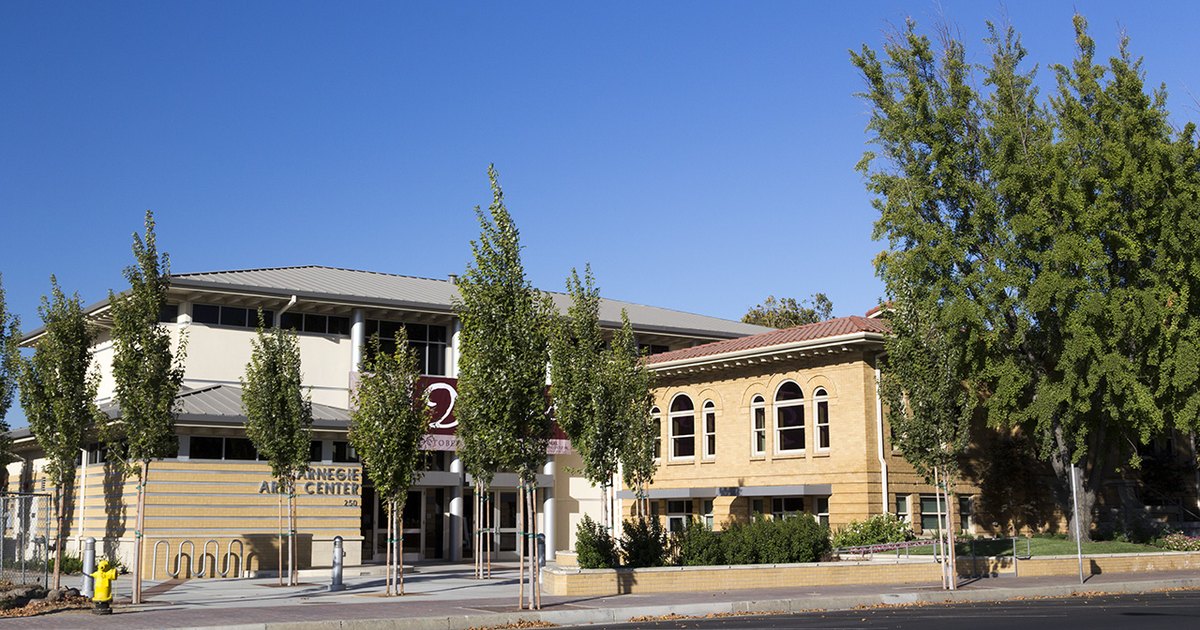
At the September 20 candidate forum at Carnegie, the immediate argument was over paying for city services. The Modesto Bee reported that the general fund was about $42 million, with staff expecting reserves to fall from $9.7 million to $6.4 million that fiscal year. Bates challenged the reassuring tone of Mayor Gary Soiseth’s State of the City address and criticized conflicting financial information.
Soiseth defended compensation and hiring intended to retain police, firefighters and dispatchers. Amy Bublak objected to using reserves for recurring employee costs. About 200 people attended the Journal-organized forum.
Bates had announced his candidacy at the November 14, 2017 council meeting, identifying himself as a lifelong Turlock resident. The certified November 2018 results put Bublak first with 8,300 votes, Soiseth second with 6,607 and Bates third with 6,342. Bates finished 265 votes behind the incumbent; Bublak became mayor.
A Proposal to Move Calafia
Bates also weighed in on the details of downtown’s appearance. In January 2018, he proposed moving Calafia, the 14-foot sculpture and fountain at Main and Market streets, roughly 100 feet to Main Street and Lander Avenue. He argued that the alternative location would improve visibility and address maintenance and safety concerns. The Journal’s account describes a suggestion made during public comment, with no approval recorded there. Donna Billick’s sculpture had been installed in 2005. An earlier Arts Commission recommendation in 2012 favored keeping it at the gateway location chosen in the downtown plan.
A January 25, 2019 follow-up found the sculpture still at Main and Market. The council decided to contact Billick about replacing the water feature with ceramic tile and to seek grants and donations for the work. It held off on starting that work while a possible relocation remained under discussion. These reports establish a decision to pursue a renovation, but not a completed move of the sculpture.
A Penny Collection for Turlock in 2116
In 2016, the Carnegie Arts Center sealed a centennial time capsule intended to stay closed until 2116. Bates supplied a penny collection. Other contributions included former mayor John Lazar’s family photographs, students’ visions of the future, local school shirts and a Dust Bowl Brewing growler. The Journal listed the contents at the dedication.
More Turlock History
- Turlock’s mayors — Bates followed Dale Pinkney in 1982 and was followed by Curt Andre in 1990.
- Stanislaus State’s history — from fairgrounds classrooms to the permanent campus.
- Donnelly Park and Pedretti Park — the places behind the recreation projects.
- Local representatives — current officials and public contact information.
