
Last updated
A forgotten paycheck, a Stan State employee’s payroll deposit and a payment to Turlock’s bus system all lead to the same state office. Malia Cohen is California’s controller, responsible for paying the state’s bills, keeping its financial records and checking how public money is handled. In November 2026, voters will decide whether to give her a second term.
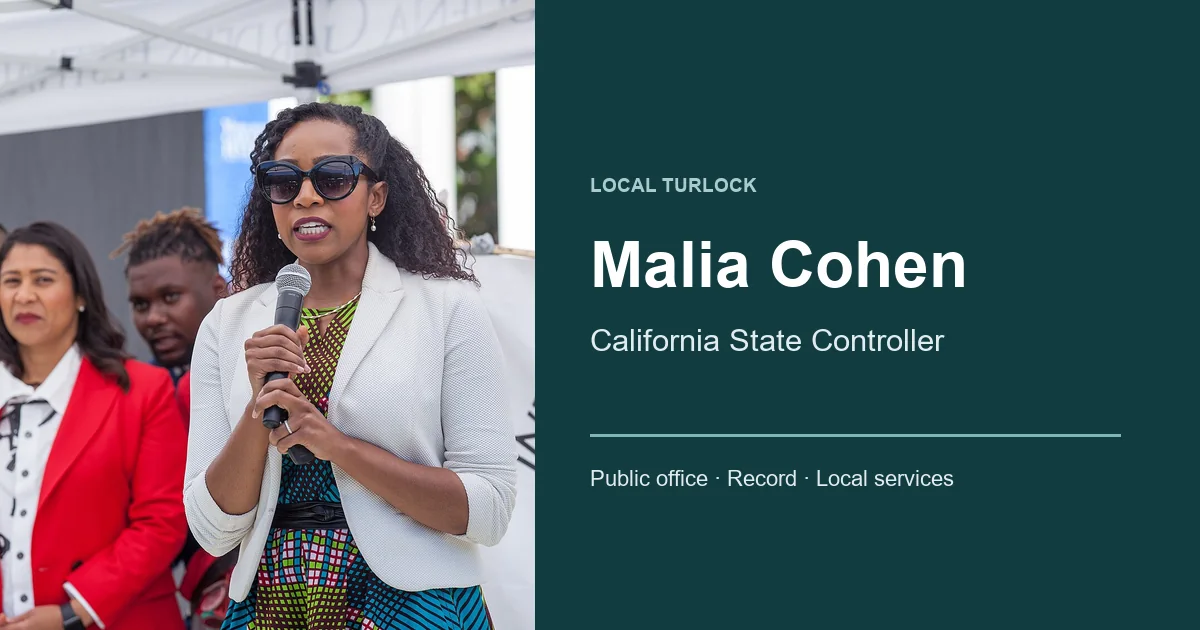
- Current office: California state controller; Democrat.
- First elected: November 2022; began serving in 2023.
- November 3, 2026: Cohen faces Republican Herb W Morgan for controller.
- Useful services: Unclaimed-property claims, public salary records and state financial reports.
The Secretary of State’s certified candidate list confirms the general-election matchup. For the other offices on a Turlock ballot, start with our representatives directory.
From San Francisco City Hall to the state’s books
Cohen grew up in San Francisco and attended its public schools. She earned a political science degree at Fisk University and a public policy and management master’s at Carnegie Mellon. Her official biography traces a career through the San Francisco Board of Supervisors, where she became board president and chaired its budget and finance committee. She also led the city employees’ retirement-system board.
She won a Board of Equalization seat in 2018 and chaired that body in 2019 and 2022. Becoming controller gave her statewide responsibility and a continuing seat as the tax board’s fifth voting member. She also chairs the Franchise Tax Board. Those assignments put her at the intersection of taxes, government accounting and public pensions.
Paying the state’s bills and checking its books
The controller’s duties include issuing state payments, administering payroll for state and California State University employees, preparing financial reports and auditing agencies that spend state funds. That payroll responsibility reaches Stanislaus State in Turlock.
The governor and Legislature write and approve the state budget. The controller accounts for the money as it moves through government, checks claims for payment and reports on the state’s financial condition. Her office also handles payments and financial reporting involving local governments, schools and special districts.
Cohen serves on the CalPERS and CalSTRS boards, which oversee public-employee and teacher pension funds. Investment decisions and long-term pension costs affect workers’ retirement security and the budgets of public agencies paying into those systems.
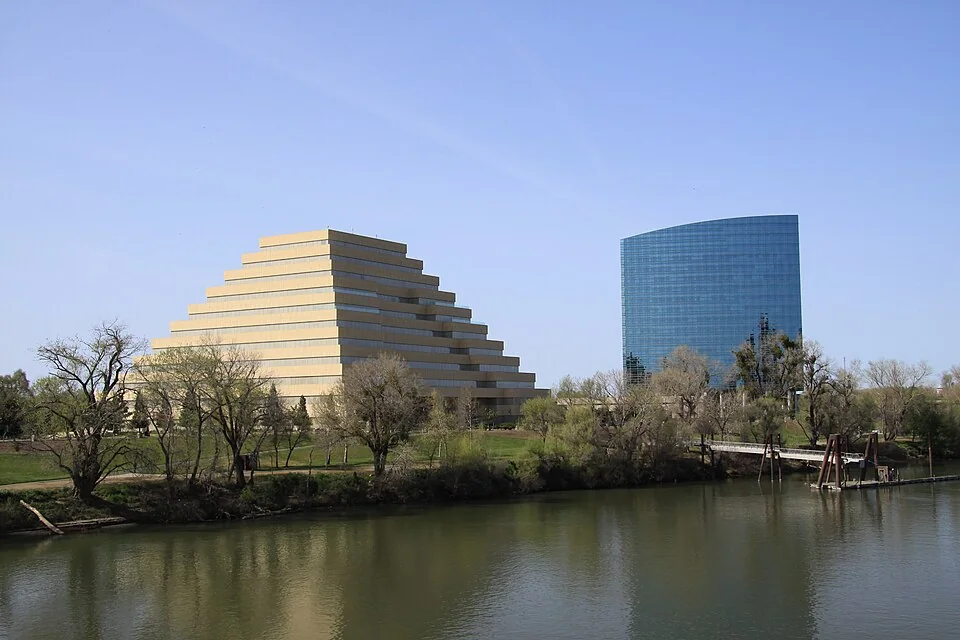
Her record: faster reports and unfinished promises
California had fallen badly behind in producing its annual audited financial statements. CalMatters reported in May 2026 that Cohen had cleared a backlog by publishing four reports in two years. On May 12, her office released the report for the year ending June 30, 2025, before the governor’s May budget revision. The report received an unmodified audit opinion.
Those statements show assets, liabilities, revenue and spending after the fiscal year closes. They give legislators and bond investors an audited record to compare with the budget’s forecasts. The report is prepared by the controller’s office and reviewed independently by the State Auditor.
CalMatters also pressed Cohen on her 2022 promises to examine homelessness spending, the Employment Development Department and the DMV. It reported that she had not carried out those promised reviews. Cohen said the State Auditor had already examined the agencies, and she chose to focus on modernizing the state’s financial and payroll systems.
Morgan argues the office should investigate spending more aggressively. He has proposed a transaction database for state-funded nonprofits, with automated tools flagging suspicious purchases. Cohen has emphasized repairing the accounting and payroll systems already in use.
A watchdog’s office also faces scrutiny
An October 1, 2026 State Auditor report found that the controller’s own office delayed collecting more than $33,000 in overpayments from two employees. The auditor found a state-law violation in handling one employee’s debt and criticized an unsuccessful collection plan that caused a year-long delay.
In its response, the office reported that one account had been repaid and that deductions had begun for the other. It said it would remind staff about collection requirements.
The service worth checking: unclaimed property
Old bank balances, uncashed checks, wages, insurance benefits and investments can end up with the controller when a business loses contact with the owner. The state keeps the property until the rightful owner or heir claims it.
Start at California’s official unclaimed-property search. Searching and filing a claim through the state are free. Try your current name, previous names and former addresses. If a relative has died, an heir may qualify, although the documentation can be more involved. The claim instructions explain what proof is required.
The office verifies ownership before paying a claim. Its claims page says a complete package may take up to 180 days to review, with some cash-only claims processed sooner.
Following the money back to Turlock
The controller publishes transportation allocations that include local operators. One 2025–26 Low Carbon Transit Operations Program schedule, dated February 27, 2026, lists $3,423 for the City of Turlock under the revenue-based PUC 99314 allocation. The schedule covers one component of Turlock’s transit funding.
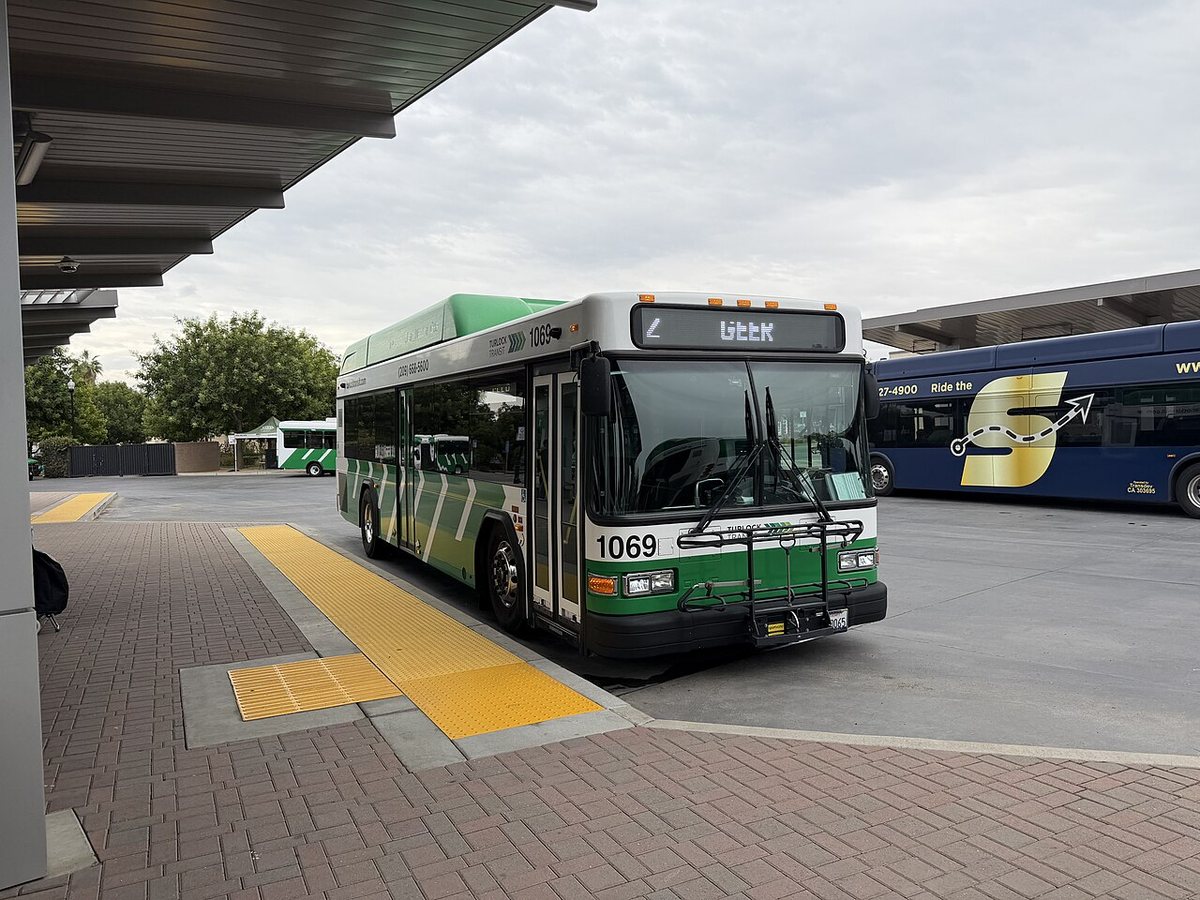
For local pay records, Government Compensation in California lets readers search public agencies and job titles. Its figures are reported by the agencies themselves. Check the reporting year and distinguish wages from employer-paid benefits before comparing positions. Cohen’s office published 2025 special-district payroll data in September 2026 and identified agencies that had failed to file or submitted incomplete information.
Getting help
For an unclaimed-property claim, call 800-992-4647 between 8 a.m. and 5 p.m. Pacific, Monday through Friday, excluding state holidays. The public counter is at 3301 C Street, Suite 750, Sacramento, CA 95816. For payroll, audit or payment questions, use the office’s division directory to reach the staff responsible for that issue.
The state treasurer’s office handles another part of California’s finances, including borrowing and savings programs. A bus-route question belongs with Turlock Transit; a state allocation or financial-report question belongs with the controller.
