
Last updated
Josh Harder once interned for Jeff Denham. In 2018, he defeated his former boss for Congress. The Turlock native arrived in Washington at 32, after a career in venture capital and a stint teaching business at Modesto Junior College. His congressional work has since ranged from health care and flood protection to a taxidermy swamp rat brought onto the House floor.
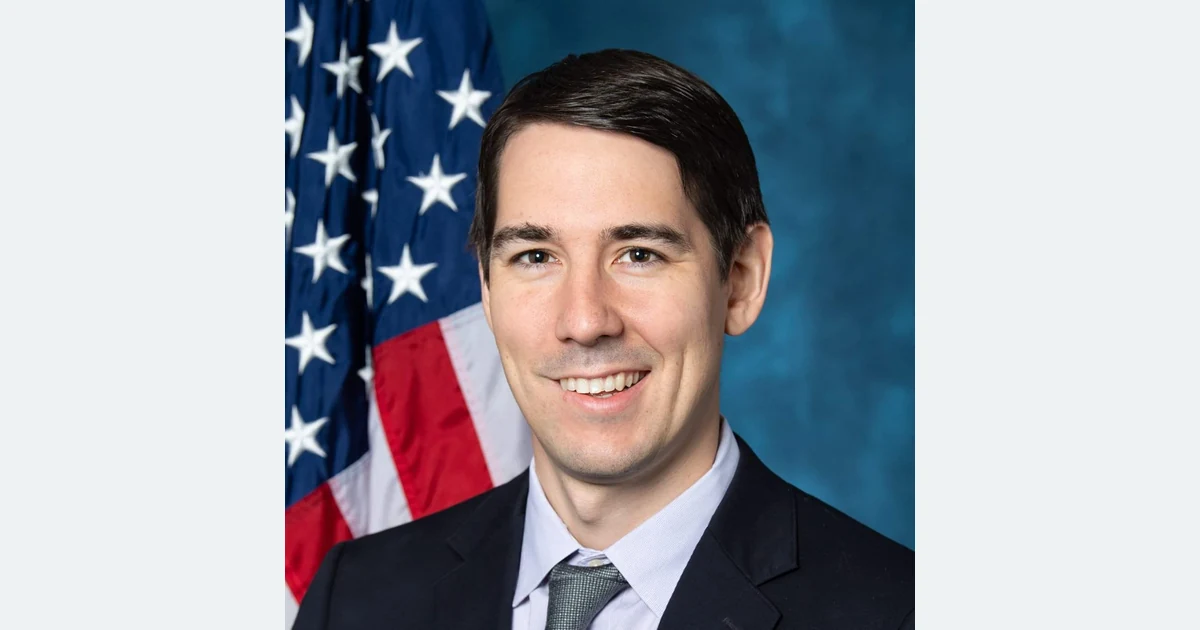
His Turlock connection: Harder represented the city in the former 10th Congressional District from January 2019 to January 2023. He has represented California’s 9th District since 2023. The current House directory lists Tracy as his hometown. His November 2026 race is for the 9th District, whose new boundaries cover parts of San Joaquin and Contra Costa counties. For the officials serving your Turlock address today, use our local representatives guide.
On this page: Turlock roots · Elections and districts · Work in Congress · Water and invasive species · Votes and disagreements · Flood protection · The 2026 race
Turlock childhood, Modesto High and a return to the Valley
Harder was born in Turlock on August 1, 1986. His House biography records a Modesto High School education, a Stanford bachelor’s degree in 2008 and Harvard degrees in business administration and public policy in 2014.
Garth Stapley’s December 2018 Modesto Bee profile fills in the less familiar years. Harder was home-schooled for much of his childhood in Turlock, then became a band member and chess-club president at Modesto High. The same profile records his high-school internship for Denham. By the time the two became opponents, their connection reached back well before the campaign ads.
After college and graduate school, Harder worked in venture capital in New York and San Francisco. He moved back to Turlock in 2017 and taught business at Modesto Junior College. Stanislaus State described that route when it announced him as a 2019 commencement speaker. The other speakers that year were labor leader Dolores Huerta and local food-business founder Edwin Rizo. Harder was scheduled to address the College of Science graduates during his first congressional term.
Four elections, two district numbers
Harder’s first election began with a fight simply to reach the November ballot. In June 2018, he finished ahead of Republican Ted Howze for the second position alongside incumbent Denham. The Turlock Journal’s contemporary report followed that contest as additional ballots were counted and Howze conceded.
Health care was a major issue in the general election. Harder’s volunteers criticized Denham’s vote to repeal the Affordable Care Act. Denham defended his position by arguing that the Valley needed more physicians and better access to care. The Journal’s account of both campaigns canvassing Turlock captures the disagreement and the national attention surrounding the race. Read our Jeff Denham profile for the other side of that local congressional history.
The certified general-election results show four wins, but also how much the contests changed:
- 2018, 10th District: Harder defeated Denham with 115,945 votes to 105,955, or 52.3% to 47.7%. Official results (PDF)
- 2020, 10th District: Harder won 55.2% against Howze’s 44.8%. Howze had been one of his primary opponents two years earlier. Secretary of State results, archived by UCSB (PDF)
- 2022, 9th District: Harder defeated San Joaquin County Supervisor Tom Patti, 54.8% to 45.2%, after redistricting. Official results (PDF)
- 2024, 9th District: Harder defeated Stockton Mayor Kevin Lincoln, 51.8% to 48.2%. The certified totals were 130,183 and 121,174, a margin of 9,009 votes. Official results (PDF)
The old 10th District included all of Turlock. The map used in the 2022 election divided the city between the 5th and 13th districts, as the Journal’s year-end review explained. Harder’s move to the 9th District therefore changed which communities elected him; it did not simply rename the same Turlock seat.
A first-term photograph, and the work behind the speeches
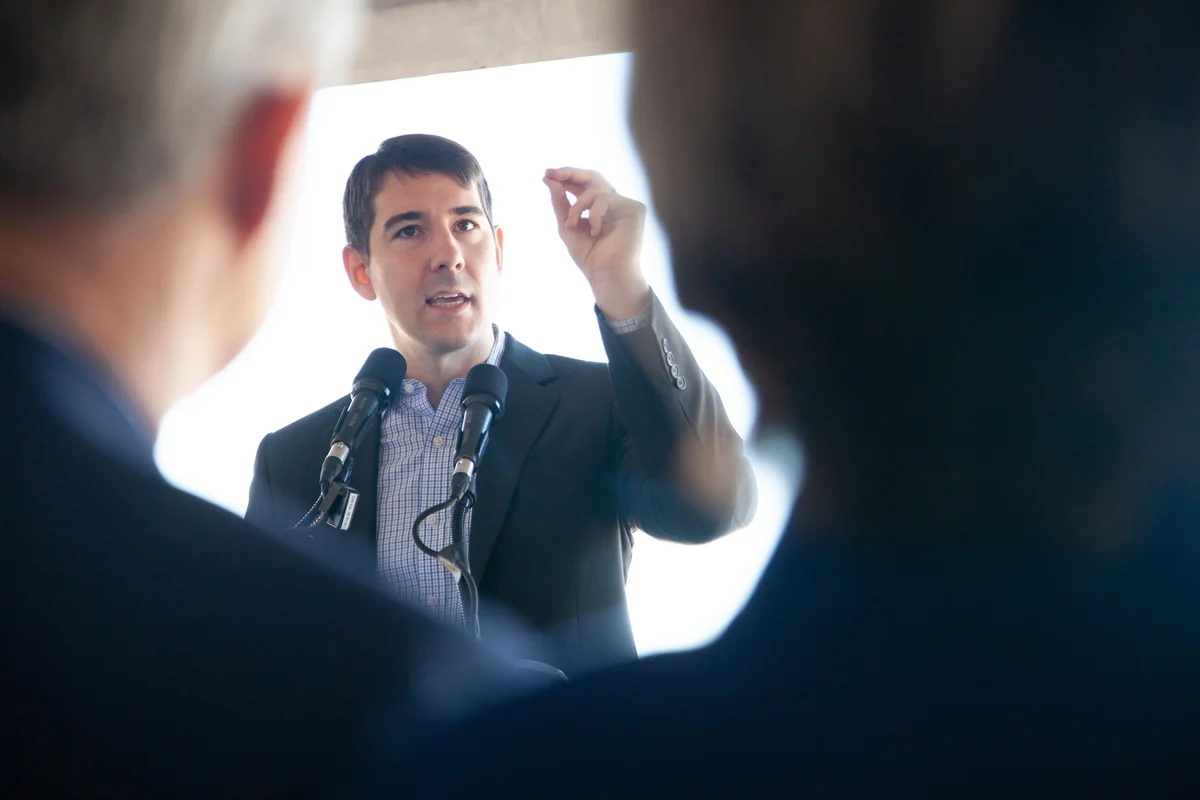
This photograph places Harder at a veterans’ clinic groundbreaking during his first year in Congress. The facility is now the Richard A. Pittman VA Clinic at 6505 South Manthey Road. The VA’s current clinic page lists primary care, mental-health care, rehabilitation and other services, along with parking and transportation information. The VA and Army Corps of Engineers broke ground together on the clinic.
Committee assignments are another part of his record. Harder joined House Appropriations ahead of his second term, according to the Journal’s report on his appointment. That committee handles federal spending legislation. His current assignments include its Interior and Environment subcommittee and its Labor, Health and Human Services, and Education subcommittee. They put water, environmental programs, health services and education spending within the subjects he helps review.
While he still represented Turlock, his fiscal-year 2022 community-project request sought $301,053 for the city’s First Behavioral Health Urgent Care Center. The request described expanding access with a Spanish-speaking clinician and an administrator.
Water policy: storage, the Delta Tunnel and two invasive species
Water has been a recurring part of Harder’s Valley agenda. The Journal covered his 2019 SAVE Water proposal, which emphasized storage, infrastructure and technology. He introduced another SAVE Water Resources Act in 2023. Both were legislative proposals.
He has also opposed the Delta Conveyance Project, often called the Delta Tunnel. In a February 3, 2026 letter to the Army Corps (PDF), he raised objections involving costs, the environment, local communities and public safety. The California Department of Water Resources makes the case for the project: it argues that modernizing State Water Project conveyance would help manage climate change, sea-level rise, earthquake risk and large storm flows. The disagreement concerns how to move water through the Delta and who would bear the consequences.
The most unusual prop in Harder’s early congressional work was Nellie, a life-size taxidermy nutria. He brought the animal to a committee hearing and the House floor to illustrate an invasive-pest problem. His office’s account of the nutria bill describes cooperation with Republican Garrett Graves and Senators John Kennedy and Dianne Feinstein.
That measure did become law. H.R. 3399 was signed on October 30, 2020, as Public Law 116-186. The amendment expanded a program previously focused on Maryland and Louisiana to states with demonstrated need, and added agricultural lands to the areas of concern. The current statute is the useful record of what changed.
Golden mussels are the newer issue. Harder introduced H.R. 3717 in June 2025, with California cosponsors including Adam Gray. At a September 16, 2026 hearing, Interior Department testimony described proposed prevention, monitoring, control and research programs, initially focused on the Sacramento–San Joaquin Delta and other affected or at-risk waters. The proposal would authorize $15 million annually for fiscal years 2026–2030.
How he has voted, including a split with most House Democrats
Three votes show where Harder has supported his party and where he has broken with most House Democrats:
- Infrastructure: he voted yes on November 5, 2021, on the Senate amendment to the Infrastructure Investment and Jobs Act. House roll call 369
- Inflation Reduction Act: he voted yes on August 12, 2022, on the Senate amendment to that legislation. House roll call 420
- Laken Riley Act: he voted yes on January 22, 2025. He was one of 46 Democrats voting yes, while 156 Democrats voted no; the House approved the measure 263–156. House roll call 23
The Laken Riley Act became law on January 29, 2025. Its detention provision covers certain noncitizens who are arrested, charged, convicted or admit specified offenses, including theft and shoplifting, assault on a law-enforcement officer, or crimes causing death or serious bodily injury. A conviction is not required.
Supporters argued stronger detention rules could prevent crimes like Riley’s killing. Critics raised due-process and funding concerns; Senator Alex Padilla warned that low-level arrests could take priority over violent felonies. Associated Press coverage of the vote lays out that disagreement.
Flood protection and the Stockton side of his congressional work
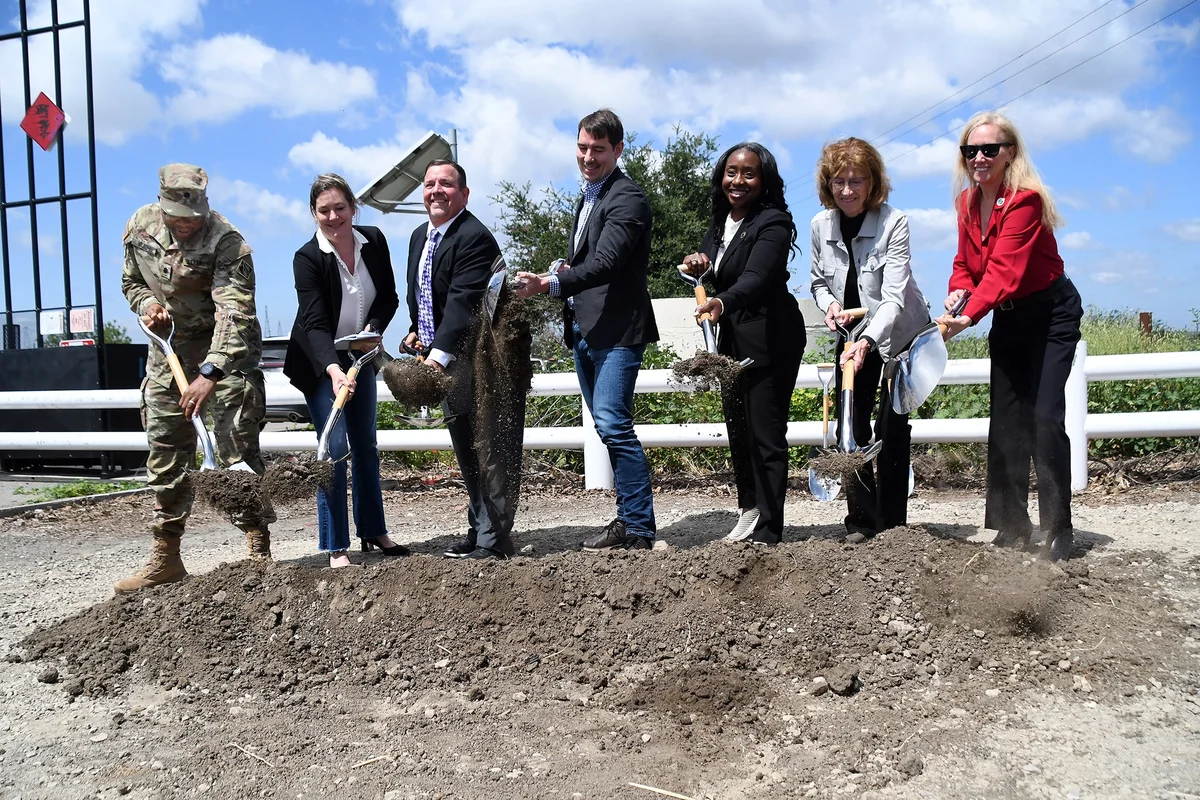
The Lower San Joaquin River Project is a major example of the public works now associated with Harder’s district. The Army Corps project page describes 23 miles of levee improvements and closure structures at Fourteenmile Slough and Smith Canal. Construction is phased; its first Tenmile Slough segment began in spring 2025.
The work addresses flood risk in north and central Stockton. Federal, state and local agencies share the project: the Corps lists the Central Valley Flood Protection Board, California Department of Water Resources and San Joaquin Area Flood Control Agency as partners. The 2025 groundbreaking photograph shows Harder among the officials involved. For readers following his career from Turlock, it also shows how the focus of his district work moved north after redistricting.
The November 2026 race and the next district map
Harder faces Republican John McBride in the November 3, 2026 general election. The Secretary of State’s certified candidate list (PDF) identifies Harder as a father/representative and McBride as an athletic performance coach. Kevin Lincoln, Harder’s 2024 opponent, is on the 2026 ballot against Adam Gray in the 13th District.
In its 2026 coverage of the Harder–McBride contest, the Sacramento Bee describes Harder’s emphasis on health-care affordability and holding the administration accountable. It also reports McBride’s law-enforcement background and community volunteer work.
There is an additional map change to keep straight. California voters approved Proposition 50 in 2025. The Senate Office of Demographics’ new district list places the 2026 election’s 9th District in San Joaquin and Contra Costa counties. Those lines take effect when the next Congress is seated on January 3, 2027. The Secretary of State explains the transition: residents keep their existing representative until then, but their 2026 ballots use the new district boundaries.
For constituent assistance, Harder’s official House office is separate from his campaign website. The House Clerk lists his Washington phone as 202-225-4540. To identify the member serving your address, use the state’s representative lookup or our Turlock representatives page.
Continue with Jeff Denham’s Turlock and congressional history or the History of Turlock’s other people and public figures.
