
Last updated
Marie Alvarado-Gil entered the California Senate as a Democrat, became a Republican halfway through her term, and is leaving after voters chose two other candidates in the June 2026 primary. Her four years representing Turlock included a narrowly drawn change to California’s rape-sentencing law, advocacy for rural communities and a political break that attracted national attention.
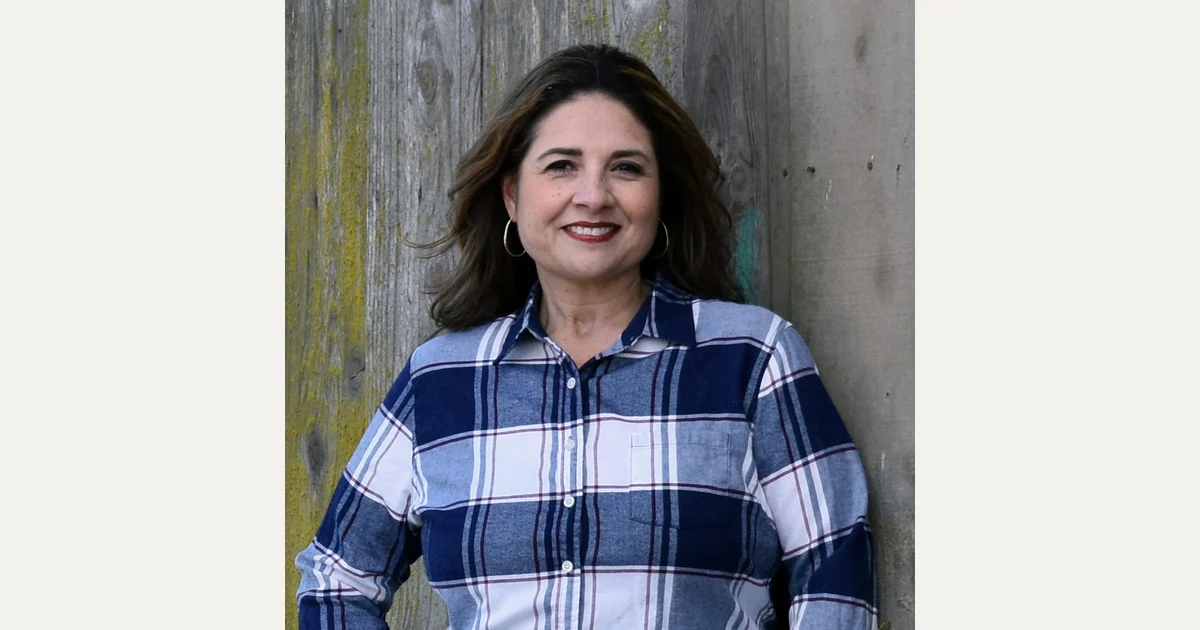
She remains Turlock’s current state senator during the 2026 transition. The November ballot is a contest between Democrat Jaron Brandon and Republican Alexandra Duarte. Alvarado-Gil is not one of the two finalists. The Secretary of State’s certified candidate list makes that distinction clear.
An educator elected to a sprawling district
Her official biography describes an upbringing among apricot and cherry orchards, studies in animal science at UC Davis, and bachelor’s and master’s degrees in public administration from the University of San Francisco. Before the Senate, she worked in education and public and nonprofit administration. She raised three children as a single mother.
In a 2023 interview with the Turlock Journal, she described opening charter schools, serving on school boards and advocating for children with disabilities. She said she entered politics because she wanted a representative focused on everyday issues rather than the far ends of the political spectrum.
She defeated fellow Democrat Tim Robertson in November 2022 and was sworn in on December 5. The Senate’s Fourth District stretches across parts or all of 13 counties, joining Valley communities with the Sierra and eastern California. Turlock is part of that district; its senator also has to understand mountain roads, wildfire risk, agricultural businesses and small communities far from the Valley floor.
The Senate’s current roster lists her as Agriculture vice chair and Revenue and Taxation vice chair, with assignments in Governmental Organization, the wine-industry select committee and the joint committee dealing with fairs. These are current assignments; her earlier role as Human Services chair belongs to the 2022–24 session.
What SB 268 actually changed
Alvarado-Gil made SB 268 a signature issue. The legislative analysis describes a specific change: rape of an intoxicated person is classified as a violent felony when it is pleaded and proved that the defendant administered a controlled substance without the victim’s consent and intended to sexually assault them. Governor Gavin Newsom signed the bill on September 28, 2024.

The distinction matters. “Violent felony” is a legal classification that affects sentencing and release rules. It does not mean these assaults had previously been legal, or that the bill changed every form of rape from a misdemeanor to a felony. The chaptered bill is the best place to check the exact scope.
There was a direct Turlock connection to the effort. In her Journal interview, Alvarado-Gil described working with Haven and involving students at Stanislaus State. She also acknowledged accepting amendments to get the proposal through committee. The final law is narrower than some headlines describing it as a change covering all unconscious victims.
The party switch and the 2026 election
She changed party registration in August 2024. In the Journal’s reporting, Alvarado-Gil said the Democratic supermajority was taking California in the wrong direction and promised that her priorities—affordability, public safety, housing and homelessness—would stay the same.
Democratic Senate leader Mike McGuire criticized the move as a betrayal of voters who had elected a Democrat. Other observers disagreed about whether switching would help her in a district with more registered Republicans than Democrats. The change moved her into the minority caucus without changing the geographic district she represented.
The June 2026 primary settled her reelection bid: she finished behind Brandon and Duarte. Early Journal election coverage described the result as it developed; the later certified November list confirms the two finalists. Her office subsequently published farewell remarks about her four-year term. A primary loss changes who will serve next, but does not immediately transfer a sitting senator’s duties.
Agriculture, county fairs and rural service
The district’s size shaped her agenda. A program that works in Turlock may need different staffing, land or transport arrangements in a mountain county. In her early local interview, she argued that state homelessness resources should support local solutions and described coordinating with Stanislaus and Tuolumne county leaders.
In an August 2026 account of her term, her office highlighted SB 229’s expansion of deputy-sheriff authority in Amador and Nevada counties, wildfire-prevention work and resolutions celebrating fairgrounds and rodeos. The same account mentions the Capitol Frog Jump, a Valley-and-foothill tradition carried into Sacramento. Those details help explain why rural identity occupied so much of her public work.
One late-term measure had an agricultural and food-bank connection: she coauthored Senator Jerry McNerney’s SB 881, extending the Farmer to Food Bank Tax Credit. Her office’s October 5 announcement says the law continues the 15% state credit for eligible donated food through taxable years beginning before January 1, 2032. She was a coauthor, rather than the bill’s lead author.
How to reach the office
For Turlock residents, the nearest listed district office is 1020 Fifteenth Street, Suite 21, Modesto. The phone is 209-576-6001. The Capitol number is 916-651-4004. Use the official Senate website for messages about legislation and state-agency issues; confirm an appointment before making the trip.
When requesting help, identify the state agency, give a concise timeline and explain the unresolved problem. A state legislative office is the appropriate starting point for state departments; federal benefits and immigration cases go to your U.S. House member or senators. The Local Representatives directory lists those contacts alongside City Hall and county offices.
