
Last updated
Livingston has a history worth leaving Highway 99 for: a railroad town that sought to become the county seat, Japanese American growers who helped turn difficult land into productive farms, and a downtown where a museum visit can lead to Mexican food or Indian sweets.
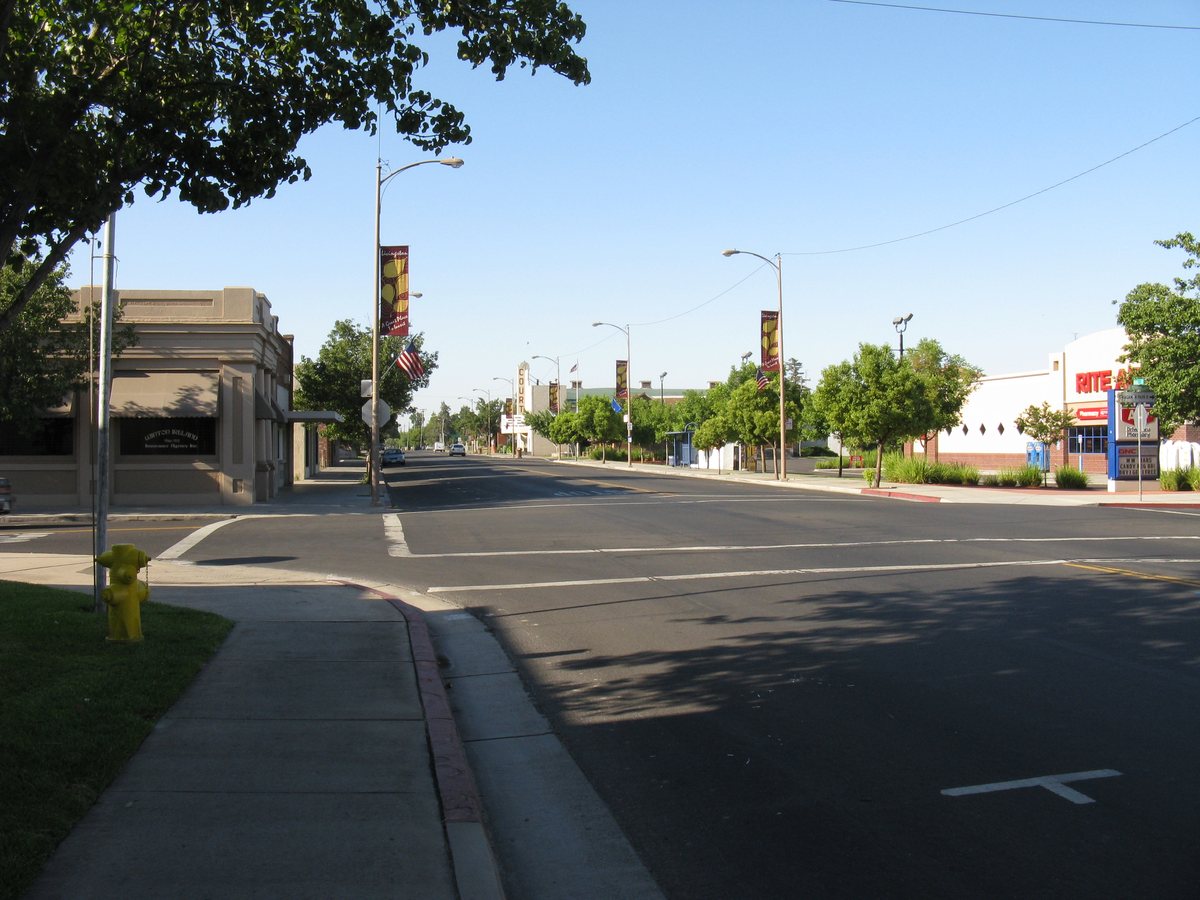
A Separate City South of Turlock
Livingston is in Merced County, south of Turlock along Highway 99. Its older downtown is around Main and C streets. For a first visit, make the historical museum and a meal your starting points; the sports complex and Merced River recreation areas are separate stops.
The Railroad Town That Lost a Letter
The city’s history traces the town’s beginnings to railroad construction in 1871. William Little laid out an ambitious 80-block townsite, hoping Livingston would become the county seat. Merced won that contest in 1872. The proposed name honored explorer David Livingstone; according to the city’s account, the final “e” disappeared in the 1873 post-office petition. Livingston incorporated in 1922.
Irrigation changed its prospects. Water arrived in 1909, supporting a farming economy associated with grapes, almonds and sweet potatoes. Poultry processing became another defining industry: Foster Farms dates its first Livingston processing facility to 1959. The company’s headquarters remains in Livingston. Our Foster Farms history follows Max and Verda Foster, the Turlock turkey plants, the 2022 sale and current local hiring resources.
Yamato Colony: Farming, Cooperation and Forced Removal
In 1906, publisher and businessman Kyutaro Abiko encouraged Japanese immigrants to establish farms near Livingston. The Merced County Courthouse Museum’s Yamato Colony exhibition describes settlers confronting sandy ground, water problems and racial prejudice. By 1917, the colony was sending substantial fruit shipments out through Livingston. Orchards and vineyards connected the community to markets well beyond the Valley.
The story also includes World War II incarceration. The city’s Yamato Colony account records how residents arranged for their property to be held during their forced absence, helping families recover their farms after the war. Earlier marketing cooperatives eventually reunited as the Livingston Farmers Association in 1956; members later shifted much of their land into almonds.
Start at the Former City Hall
The Livingston Historical Museum, at 1306 C Street, occupies a brick building that once served as city hall and courthouse. Its museum brochure lists collections on agriculture, industry, schools, early settlers and Yamato Colony. The city’s 2025 community calendar gives the Historical Society contact as (209) 394-2376; contact it to plan a visit or appointment.
A Downtown Meal
Main Street gives you several places to build a lunch stop around. Their own menus offer a useful starting point:
- La Morenita, 242 N. Main Street: a family-operated Mexican restaurant with tacos, enchiladas and fajitas.
- Villa’s Mexican Grill, 413 N. Main Street: family-owned since 2006, with fajitas and dishes such as its lime-sauce chicken.
- Chand Sweets & Catering, 430 Main Street: an Indian food and sweets stop on the same downtown corridor.
Library Stories and a Main Street Park
Livingston Library, at 1212 Main Street, gives families another downtown stop. The county branch directory lists Tiny Tales for young children and a Spanish bilingual storytime. The branch opens Tuesday through Saturday, with Monday and Sunday closures. For the week’s programs or a school-break visit, call (209) 394-7330 or use the library calendar.
Nearby Memorial Park, 1339 Main Street, has a playground, shade trees, picnic facilities and restrooms in the city’s recreation guide. It also serves as a gathering place: the 2026 Music in the Park series paired free live music with food trucks on Mondays in May and June. A park picnic can follow the museum or library without turning the afternoon into a drive between distant attractions.
For a separate park stop, Joseph Gallo Park at 1201 Winton Parkway has a paved walking path, playground, restrooms and small picnic shelters in the same city guide.
Sports, Sweet Potatoes and a River Detour
Max Foster Sports Complex, 2600 Walnut Avenue, combines soccer and youth baseball or softball fields, a covered picnic shelter and three lighted basketball courts. The city recreation facility listing has its amenities and booking information. Organized games and reserved spaces affect what is available for a casual visit.
The city’s Sweet Potato Festival celebrates a crop central to the area’s economy. Its festival information describes food booths exploring everything from fries to sweet-potato desserts. For upcoming festivals, classes and sports registration, use Livingston Recreation’s current announcements; older festival flyers describe their own year.
For a separate outdoor outing, McConnell State Recreation Area is on the Merced River east of Delhi, at 8800 McConnell Road. It offers picnic areas, camping and fishing. It is outside Livingston, so route directly to the park. The river has no lifeguard service; a picnic or fishing visit need not include swimming.
A Bus Connection to Turlock
Livingston is on Merced County’s T — Turlock Commuter route, which connects Turlock, Delhi, Livingston, Atwater and Merced. That makes a day trip possible without driving Highway 99. The Turlock end connects with local buses at the transit center; our Roger K. Fall Transit Center guide explains the onward options.
Plan the return before boarding. The operator publishes separate weekday and weekend timetables, so check both the day and direction of travel. Use The Bus’s live arrivals for the approaching vehicle, and allow time to walk between your stop and the museum, park or restaurant.
Related reading: Hilmar’s Swedish roots and dairy country · nearby towns guide.
