
Last updated
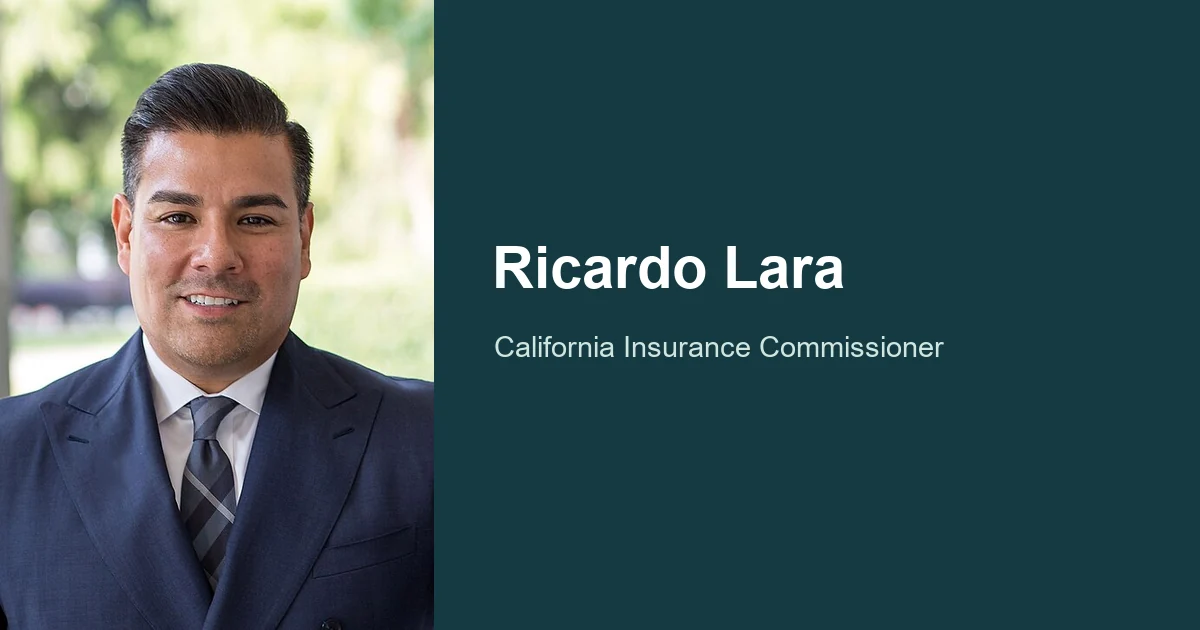
Ricardo Lara, California’s insurance commissioner, oversees the industry behind homeowners’ renewal notices. His final year in office has centered on a difficult tradeoff: giving insurers more flexibility in pricing risk while trying to make policies available to people who have been turned away.
The path from East Los Angeles to statewide office
Lara took office in January 2019 and won reelection in 2022. He became California’s first openly gay person elected to statewide office. He is serving his second and final term, which ends in January 2027.
Lara grew up in East Los Angeles with immigrant parents and graduated from San Diego State University with a journalism degree, according to his biography. Before becoming insurance commissioner, he represented the 50th Assembly District from 2010 to 2012 and the 33rd Senate District from 2012 to 2018.
As a legislator, Lara worked on expanding children’s access to Medi-Cal regardless of immigration status. He also authored Senate Bill 824 in 2018, establishing a temporary protection against wildfire-related nonrenewals following declared emergencies. As commissioner, he has implemented that protection in parts of the counties around Turlock.
Rates, company finances and individual complaints
The commissioner’s responsibilities extend well beyond homeowners insurance. The department oversees insurance companies, licenses agents and brokers, reviews regulated rates, investigates fraud and handles consumer complaints. Auto, life, workers’ compensation and some health coverage are part of its work. California splits health-plan oversight between different agencies, so the right complaint destination depends on the plan.
Worldwide insurance costs and California’s disaster exposure also shape the market. CalMatters’ September 2026 guide explains how those pressures interact with the commissioner’s powers to review rates and enforce insurance rules.
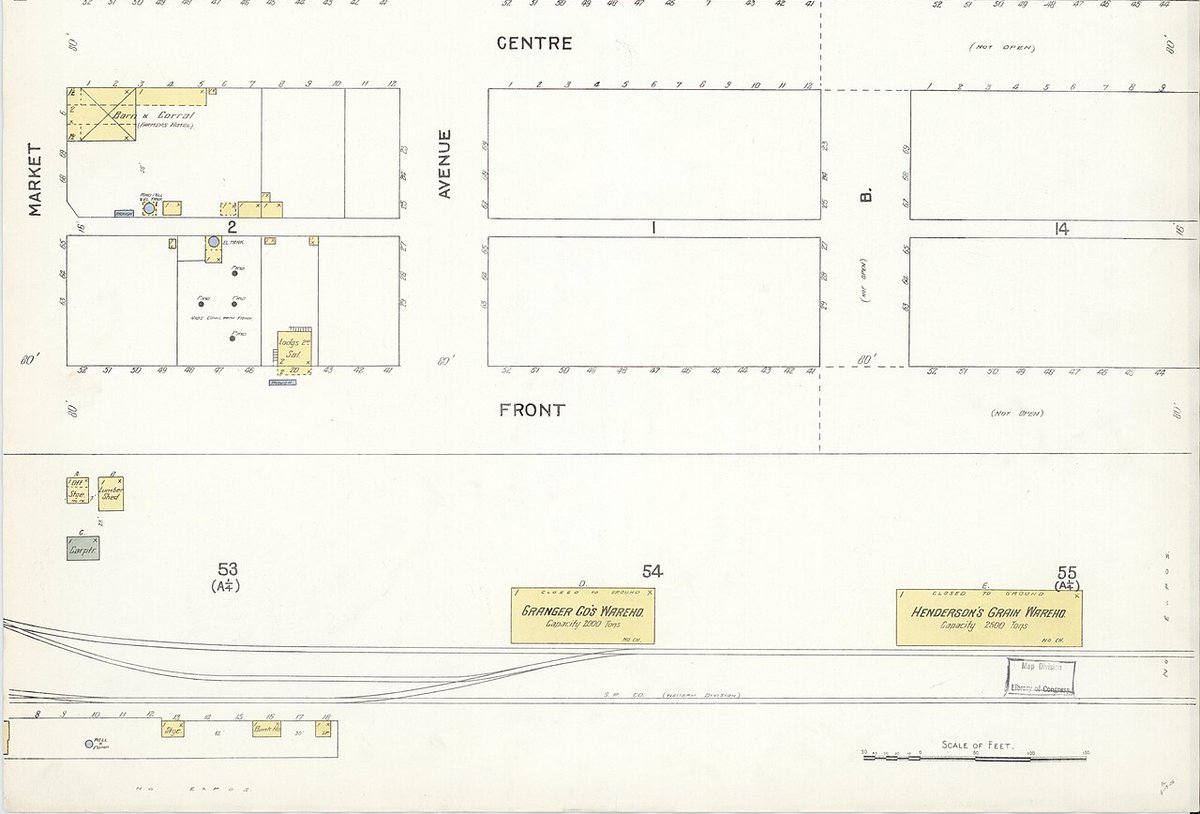
Turlock has a much older connection to this business. The Sanborn fire-insurance maps recorded building materials, uses, dimensions and other information insurers used to assess fire risk. The town’s April 1905 map shows rail lines and grain warehouses in an early street grid.
His insurance strategy and the dispute over results
Lara’s Sustainable Insurance Strategy allows insurers to use forward-looking catastrophe models and include reinsurance expenses in rate proposals. Reinsurance is insurance that companies buy to help cover large losses. In return, participating insurers must make commitments to expand coverage in higher-risk areas or move customers out of the FAIR Plan.
The FAIR Plan is the insurance industry’s last-resort program for property owners unable to obtain coverage elsewhere. Its growth is one way to gauge how many households and businesses are still struggling to buy regular policies. Lara’s department presents returning insurers and new commitments as signs of progress.
A September 23, 2026 CalMatters report examined that claim. Consumer Watchdog calculated commitments for 12,189 new policies from rate filings under the strategy. These were commitments, not a count of policies actually sold. The advocacy group argued the figure was small compared with the rate increases insurers had sought or secured.
The department called the analysis incomplete and premature, and said it planned to evaluate the overall market using annual data. Spokesman Michael Soller described recovery as a multiyear process. The same report put the FAIR Plan at about 697,000 active policies in June 2026.
A 2026 wildfire order in nearby counties
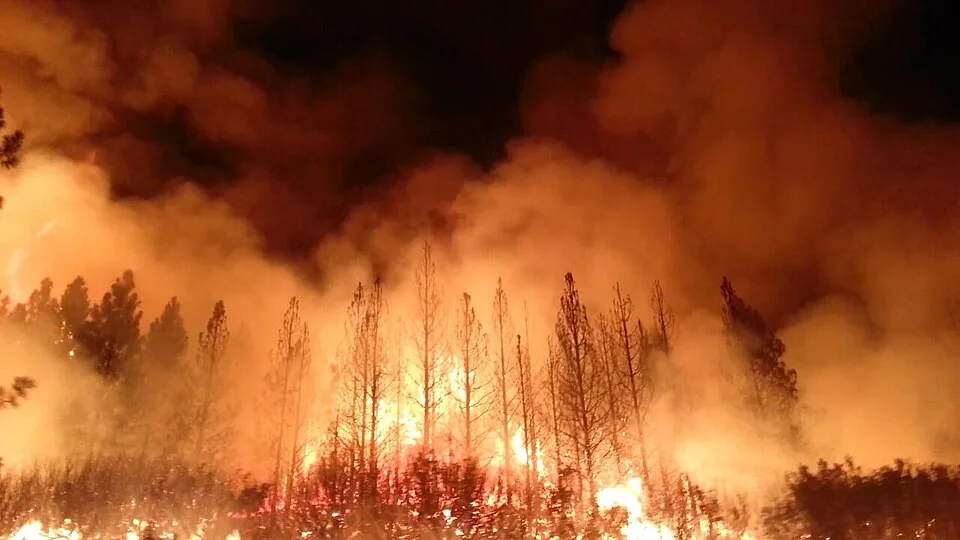
On August 14, 2026, Lara announced a one-year nonrenewal moratorium after the Gann Fire. The order applied to specified ZIP codes in Calaveras, San Joaquin, Amador, Tuolumne and Stanislaus counties. It began on August 6, the date of the governor’s emergency declaration.
The bulletin’s ZIP-code list includes 95361, covering the Oakdale area, as well as other affected places. Turlock’s 95380 and 95382 are not on that list. The restriction concerns cancellations and nonrenewals based on wildfire risk; readers with a notice should ask the department how it applies to their policy.
Wildfire discounts and farm-property coverage
The department’s Safer from Wildfires program connects specific mitigation measures to insurance discounts. Examples include fire-resistant roofing, ember-resistant vents, clearing combustible material immediately around a building and recognized community-wide fire-safety efforts. Ask your insurer which documented improvements qualify and how the discount is calculated.
The FAIR Plan’s state information page also notes that farm buildings can receive coverage; crops and vehicles have different arrangements. A plan designed primarily for fire losses should not be assumed to provide every protection in a standard homeowners or commercial policy.
Workers’ compensation affects local employers too
In July 2026 Lara adopted an average advisory workers’ compensation pure premium rate of $1.65 per $100 of payroll, effective September 1. That was a 6.6 percent increase over the 2025 advisory rate and lower than the 10.4 percent increase requested by the rating bureau.
The rate is advisory; insurers set their own prices. An employer’s premium also depends on its industry, payroll, claims experience and insurer.
His successor and how to get help now
Lara is term-limited. The certified November 3, 2026 ballot lists Ben Allen and Jane Kim, both Democrats, for insurance commissioner. Lara continues to hold the office until the transition in January 2027.
For a denied claim, cancellation notice or insurance question, use the department’s consumer help and complaint page or call 800-927-4357. Have the insurer’s name, policy number, relevant notices and correspondence ready. The complaint page includes separate options for non-health insurance, health coverage and independent medical review.
When comparing coverage, ask for the exclusions, deductible and rebuilding limit along with the annual premium. If a wildfire risk score seems wrong, the department’s discount and risk-score guidance explains how to request an explanation and appeal it to the insurer. The hotline is the place to start when that process does not resolve the issue.
