
Last updated
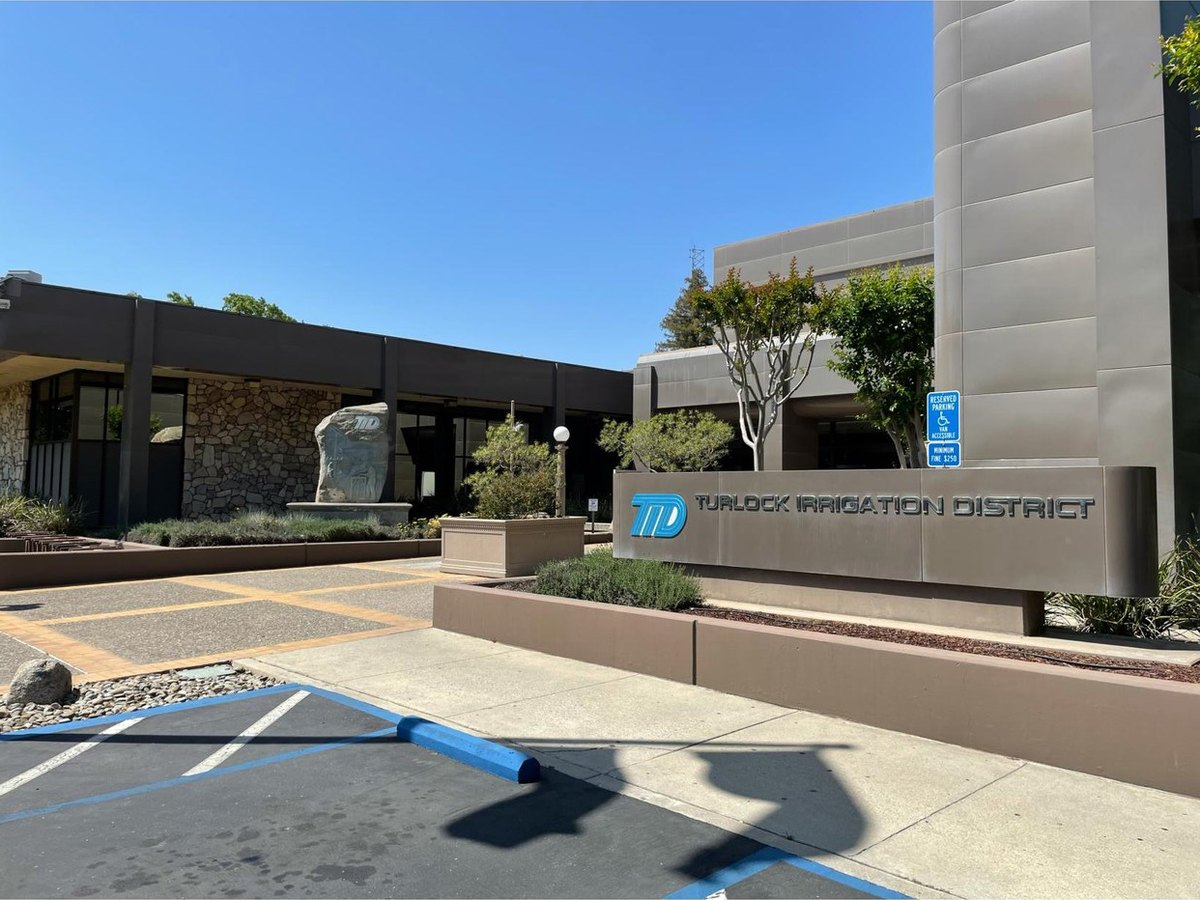
A solar-panel canopy above a TID canal is one local example of Gavin Newsom’s governorship. The state helped pay for the experiment; Turlock Irrigation District and its partners built it to test a new use for existing canals. His administration also pressed Turlock over its housing plan. State government can bring investment to a community and demand changes from it at the same time.
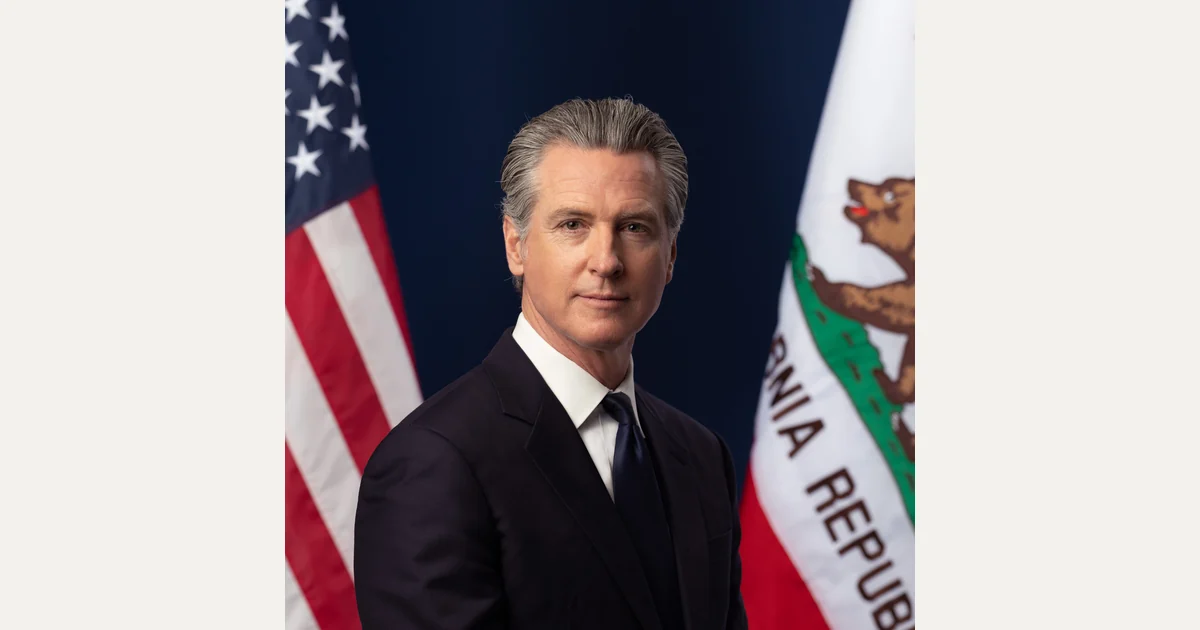
Newsom is California’s 40th governor, serving his second and final permitted term. He is not running for governor in November 2026. Voters are choosing his successor for January 2027. Our California governor’s race guide covers the finalists; this page examines the current governor’s career and record.
Wine shop, San Francisco and statewide office
Born in San Francisco in 1967, Newsom attended Redwood High School and Santa Clara University. His official biography traces his business career from a retail wine shop to the PlumpJack group of restaurants, hotels and wineries. His first public appointments were on San Francisco’s Parking and Traffic Commission and Board of Supervisors.
He was elected mayor in 2003. Early in that tenure he directed the city to issue marriage licenses to same-sex couples, making San Francisco a center of a national fight over marriage equality. He later moved into statewide office, serving as lieutenant governor under Jerry Brown. The Senate’s 2011 inauguration record marks the start of that role.
Newsom became governor on January 7, 2019. His inaugural address laid out a broad agenda on opportunity, healthcare and California’s response to Washington. He is married to filmmaker Jennifer Siebel Newsom, the state’s first partner, and they have four children.
The recall, reelection and the end of a second term
California held a recall election on September 14, 2021. The official results show 61.9% voting against removing him and 38.1% voting for removal. The recall therefore failed; the separate vote on potential replacements did not select a new governor.
He won reelection in November 2022 against Republican Brian Dahle. The certified statement of vote records Newsom’s 6,470,104 votes, or 59.2%. California’s two-term limit makes the 2026 governor election an open-seat race, regardless of those earlier victories.
His national ambitions are a separate matter. In October 2025, the Associated Press reported that he said he would consider a 2028 presidential run after the 2026 midterms. Considering a campaign is different from having announced one. His present office remains governor of California.
Schools, meals and health coverage
Two policies from his tenure are readily visible to families: the expansion of transitional kindergarten and universal school meals. California’s education department says the statewide meals program began in the 2022–23 school year and requires public districts, county education offices and charter schools to offer free breakfast and lunch to students who request them, regardless of household eligibility.
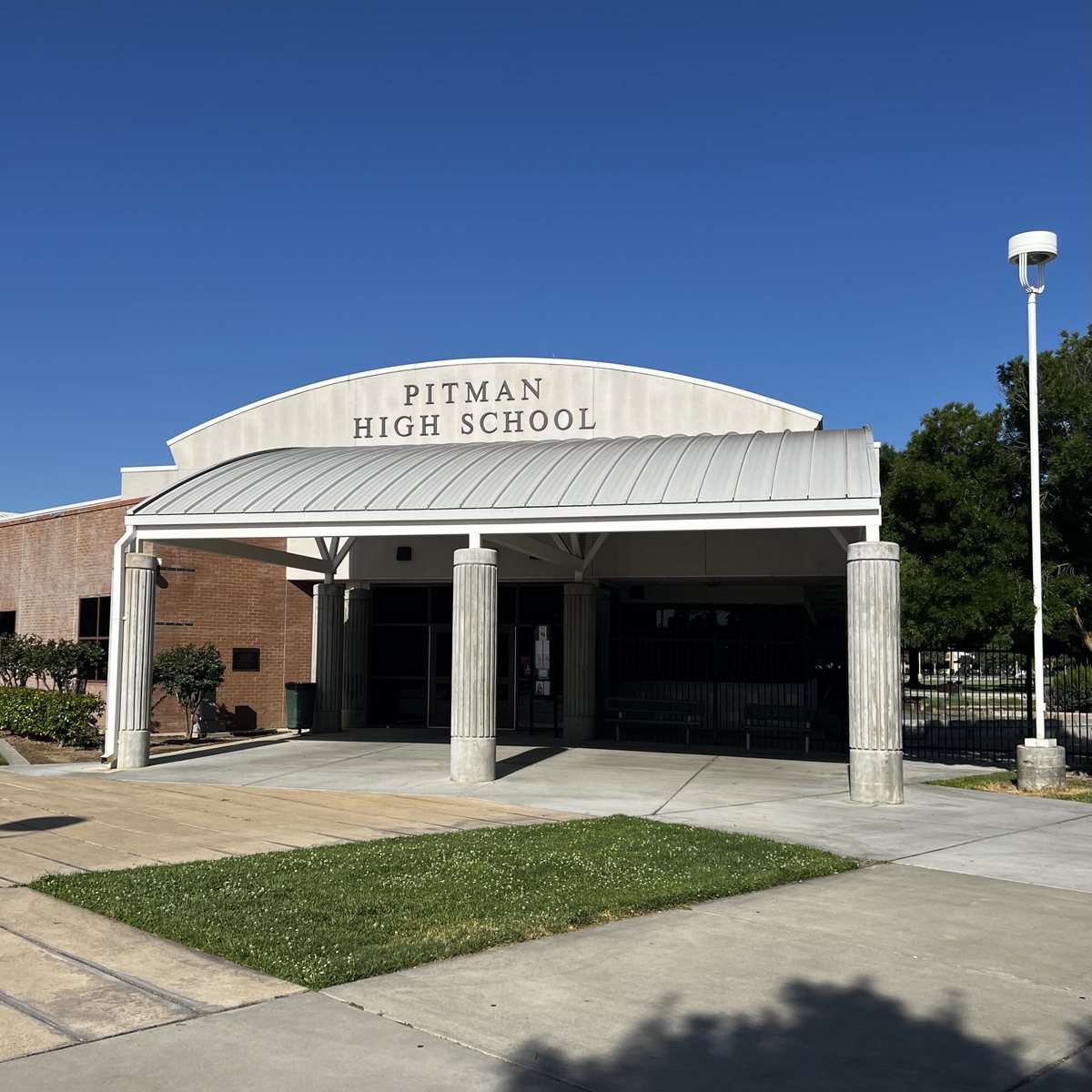
The state’s enacted 2025–26 education budget funded full transitional-kindergarten access for children turning four by September 1. For local school histories, see Turlock High and Pitman High.
Healthcare coverage expanded during his term too. A DHCS enrollment plan records the January 2024 extension of full Medi-Cal to qualifying adults aged 26–49 regardless of immigration status, completing an age group left out of earlier expansions.
DHCS’s current guidance says new full-scope enrollment paused for certain undocumented adults in January 2026. Check its guidance or ask county staff about eligibility.
Housing pressure reached Turlock
In July 2026, Attorney General Rob Bonta and HCD announced housing-law enforcement against five cities, including Turlock. The announcement described coordination with Newsom’s administration, while identifying the Attorney General and housing department as the agencies bringing the legal actions.
Turlock’s September 1 city update reported that the council adopted its 2023–31 Housing Element on August 25 and approved related actions toward compliance. A housing element is the city’s plan for meeting housing obligations; adopting one is different from every planned home being built. State requirements and City Hall’s decisions meet in that process.
Solar canals and the bigger water argument
Project Nexus puts solar-panel canopies over sections of Turlock Irrigation District’s canals. Newsom’s April 2026 announcement identifies a $20 million investment from the governor and Legislature. Partners include TID, the Department of Water Resources, SolarAquaGrid and UC Merced.
It is a pilot project, intended to study power generation, evaporation and other canal effects. Potential statewide savings from covering many canals are not the same as measured results from this installation. TID’s project page explains the design and research questions.
On a much larger scale, Newsom supports the Delta Conveyance Project. His June 2026 announcement describes federal clearance as a step toward construction. It is a proposal to route State Water Project water around part of the Delta; clearance from one agency does not resolve every permit or funding question.
The State Water Board’s hearing record shows the separate proceeding over proposed water-right changes. Debates about the tunnel concern supply reliability, costs, fisheries and Delta communities. It is a different project from TID’s local solar canals and Don Pedro Dam.
Homelessness spending, treatment and accountability
Newsom signed the CARE Act in 2022, creating a civil-court process for eligible people with untreated serious mental illness. The state’s rollout account identifies Stanislaus among the first counties to launch it in October 2023. CARE Court is not a criminal prosecution of someone for being homeless.
His homelessness record has also drawn scrutiny over measurement. The State Auditor’s April 2024 report found that California needed to do more to assess its programs’ cost-effectiveness. It described nearly $24 billion allocated to homelessness and housing across five fiscal years and gaps in statewide outcome information. The audit also found Homekey and the CalWORKs Housing Support Program appeared cost-effective.
A recent disagreement over rural emergency care
In September 2026, Newsom vetoed Assemblymember Juan Alanis’s AB 2282, which proposed a rural emergency stabilization unit for Patterson. The veto message said a freestanding emergency department without hospital infrastructure could introduce patient-safety risks and transfer delays. Alanis’s response argued West Side residents needed care closer to home and promised another attempt. The disagreement remains part of the Valley’s discussion about access to emergency treatment.
Contacting the governor or the right agency
The governor’s official contact form is the direct channel for a policy message. The phone is 916-445-2841; the mailing office is 1021 O Street, Suite 9000, Sacramento. Call before visiting.
For a stalled state-agency case, Turlock residents can also ask their Assembly and Senate district offices to help navigate the process. Identify the agency and the action you need. Local street repairs, permits and City Hall policy go through Turlock’s own offices; federal benefits go to the congressional delegation.
