
A TURLOCK TRADITION SINCE 1911
Before the concerts and carnival rides, there were melons. The Stanislaus County Fair grew out of a celebration of Turlock’s farms—and its grounds later held college classrooms and a wartime detention center. Knowing that history changes the way you see a familiar summer night at the fair.
Updated 2026.
Where it is—and when to go
The fairgrounds are at 900 N. Broadway. The next Stanislaus County Fair is scheduled for July 9–18, 2027, according to the official fair-information page. Fair tickets are scheduled to go on sale in spring 2027.
The annual fair and the fairgrounds’ year-round events have separate schedules. A holiday market, a car-parts swap meet and a July concert each call for a different visit, even when the address is the same.
How a melon carnival became the county fair
The Fair’s own history begins in 1911, when the Turlock Chamber of Commerce sponsored the Turlock Melon Carnival to promote local melon growing and shipping. The celebration even inspired the Melon City Band. It was a way for a young agricultural town to show what it produced.
After the early carnival years, American Legion Rex Ish Post 88 revived community celebrations: a Fourth of July event in 1924 and a mid-summer Melon Carnival in 1925. Youth agriculture took a larger role when 4-H and FFA livestock shows began in 1933.
California chartered the 38th District Agricultural Association in 1935. The Legion and the association initially shared operations; in 1944, the Legion sold the grounds and buildings to the association. The name “Stanislaus County Fair” first appeared on the marquee in 1956.
The fairgrounds’ wartime history
In 1942, the grounds became the Turlock Assembly Center, a temporary detention site for people of Japanese ancestry forcibly removed from their West Coast homes. Densho’s history of the site records its operation from April 30 to August 12, 1942, and a peak population of more than 3,600.
The people held here came from places including Solano County, the East Bay, Los Angeles and Walnut Grove. They were subsequently transferred to Gila River in Arizona. A historical marker and interpretive storyboards commemorate that history at the fairgrounds.
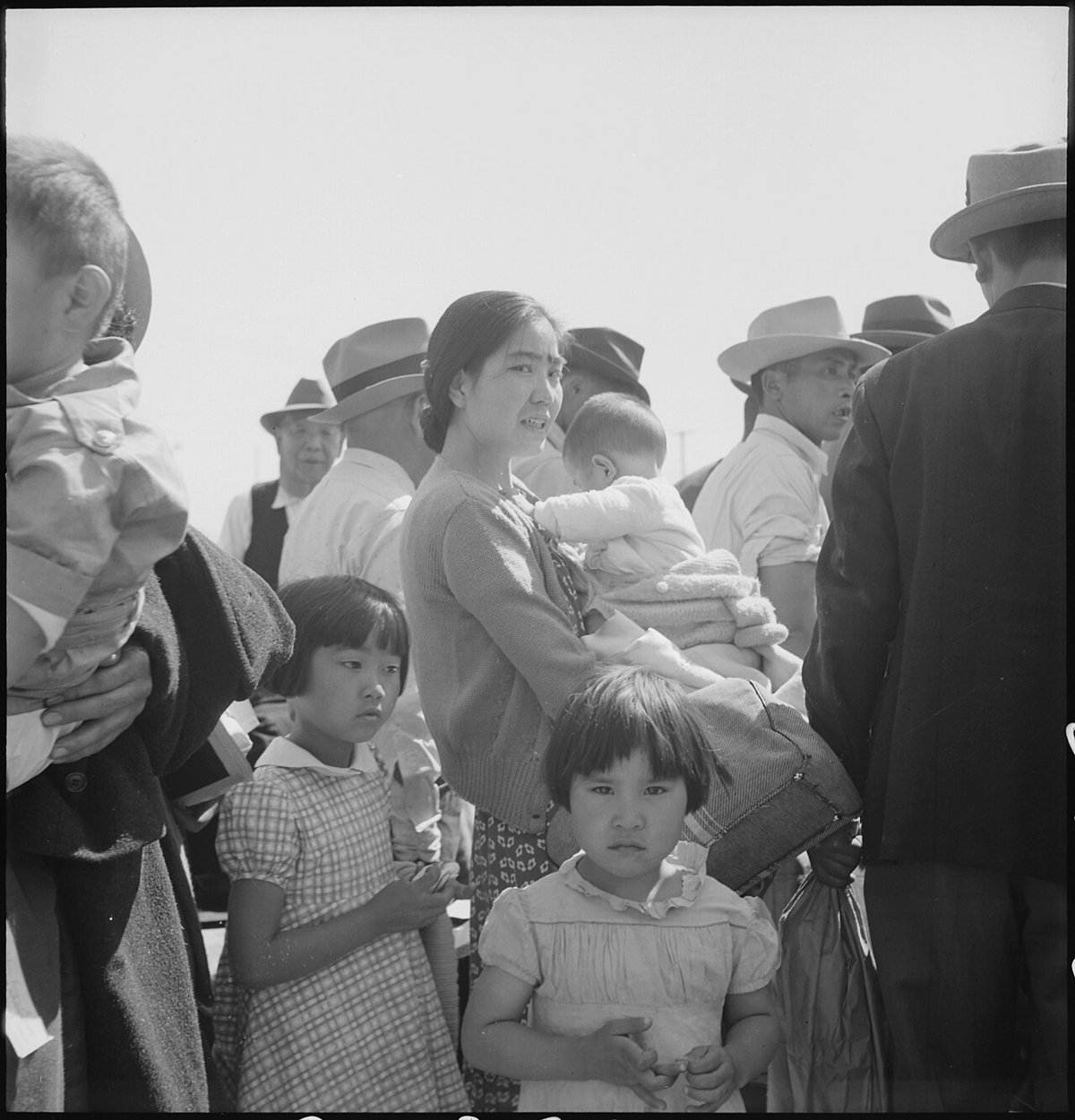
This is part of the grounds’ story alongside the celebrations. Our Turlock history guide explores the wider context.
The college years: classrooms among the exhibits
One of the fairgrounds’ most surprising uses began on September 19, 1960. Stanislaus State College opened classes here in temporary facilities, three years after the Legislature established the college. The University’s timeline and archival photographs show exhibition buildings being prepared for that new purpose.
The first commencement, in 1961, awarded 25 degrees at Turlock High School. In 1965, classes moved to the permanent campus in north Turlock after its first major facilities were built. The institution became California State University, Stanislaus in 1985.
The connection is easy to miss today: the fairgrounds helped give the Valley a place to study for a college degree before a permanent campus was ready. A site organized around exhibitions and agriculture also served a growing region’s educational ambitions.
Concert nights across the years
For many families, a performer’s name is the quickest way to remember a fair year. The programs have ranged across country, R&B, rock and pop. A few dated examples show that breadth:
- July 15–16, 2011: the centennial fair’s lineup paired opening-night Clint Black with Boyz II Men the following evening, as documented in the contemporary entertainment preview.
- July 17, 2013: Huey Lewis and the News included the fair on the 30th-anniversary tour for Sports. The San Francisco Chronicle’s interview and tour listing placed Turlock alongside Bay Area concert stops.
- July 10, 2026: Clint Black returned to the opening-night bill. The Modesto Bee’s opening-day report also described local stage entertainment and truck-and-tractor pulls that evening.
- The 2026 program: the Fair’s official announcement archive also includes Ashanti, Mayday Parade, 3OH!3 and the Ying Yang Twins.
These are past programs. For the next fair, the entertainment calendar is the place to choose a concert night once the new lineup is announced.
The exhibits deserve part of the visit
A concert is only one part of the fair. The competitive exhibits give local entrants a place to show their work, while livestock events connect young exhibitors with the county’s agricultural community. An exhibit hall and a livestock show reward a slower look than a quick walk to the midway.
If you want to participate, start with the exhibitor handbooks. The Fair separates information for adult and youth exhibits, 4-H/FFA/Grange participants, and small and large animals. That makes the handbook for your category more useful than a general event poster.
The Junior Livestock Auction supports local youth in 4-H, FFA and Grange. The official auction page explains buyer payments and add-on contributions. Watching a show, entering an exhibit and supporting a young exhibitor are three different ways to take part.
Plan the outing around what you came to see
- Pick the activity first. A livestock judging session, a concert and an arena event may happen at different times. Use the program for that year to build the visit.
- Find the right entrance. The fairgrounds’ facility maps help locate buildings and gates. Your event’s entrance or parking instructions matter more than the office address alone.
- Separate admission from extras. In 2026, the main-stage concerts were included with paid fair admission, while the opening-day arena event had a separate ticket. Use the next event’s ticket terms when budgeting.
- Pack for the posted rules. The guest guidelines cover bags, screening, re-entry and prohibited items. Outside food and drinks are restricted, with a medical exception; ordinary pets are not admitted.
A fairgrounds visit outside July
The public event calendar is useful all year. The 2026 Holiday Market is scheduled for November 7, 10 a.m.–3 p.m., with free admission and parking, local vendors, children’s crafts and Santa photos.
The Turlock Swap Meet returns January 30–31, 2027, for its 60th year. Hosted by the Modesto Area A’s Club, it focuses on vehicles and automotive items. The weekly Tuesday flea market has its own location on East Avenue.
For the full local picture, continue with the Turlock Guide and History of Turlock. For fair dates, entries or event questions, the Fair Office is (209) 668-1333.
