
PEOPLE & PLACES · TURLOCK
In June 1927, Turlock students presented a new fountain to school trustee Arthur Crowell. The faculty supplied water lilies and goldfish. That small scene opens a larger family story: farms, Swedish settlement, schools and irrigation—and a record of racial exclusion that belongs alongside the civic achievements.
Several Crowells appear in Turlock’s history. Following the individuals through their own records reveals more than treating the surname as one long list of accomplishments.
Updated 2026.
Two brothers start again in Turlock
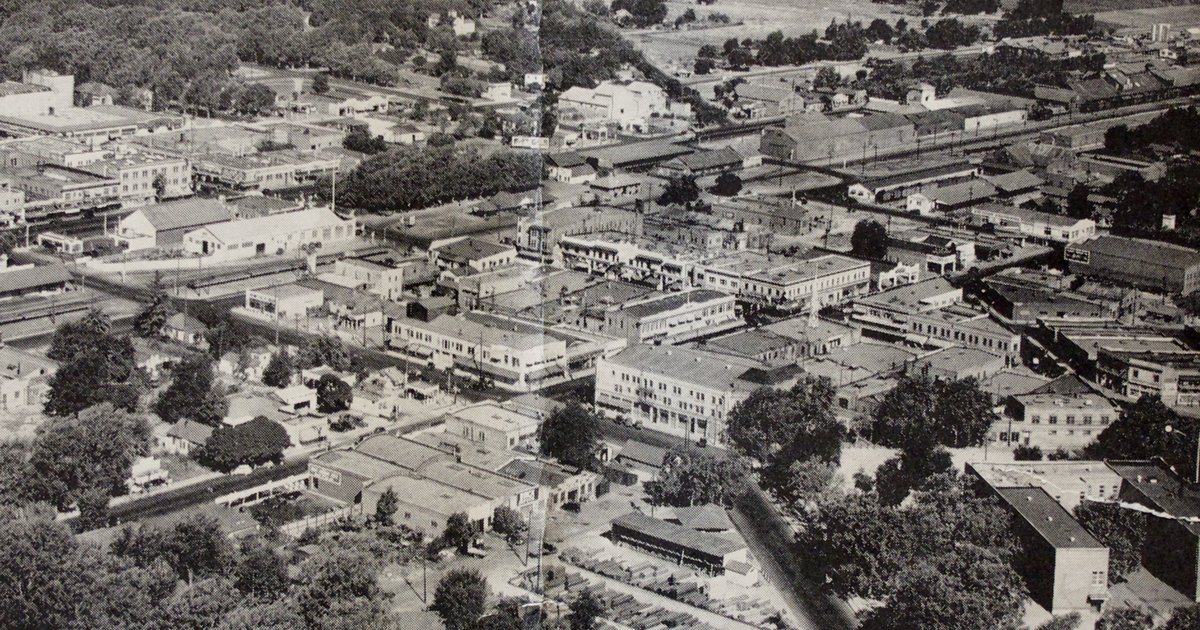
George H. Tinkham’s 1921 county history describes brothers Charles C. and Arthur G. Crowell leaving the Hanford area after a fire damaged the family’s cheese business. They bought land in Turlock’s Roger Williams tract and developed adjoining farms. Charles pursued dairying and general farming; Arthur later concentrated on general farming.
These were the years when irrigation was bringing new possibilities to the district. TID’s historical account dates its formation to 1887, while its milestone guide identifies Henry Stirring as the first farmer to receive district water, in 1900. The brothers arrived as that long-promised system was becoming useful on the ground.
Esther’s work behind Swedish settlement
Arthur married Esther Hall in 1906. Tinkham’s biography records that Esther worked as secretary and stenographer for the Reverend Hultberg, the colonization agent who brought Swedish settlers to the area. She had watched the surrounding countryside change while helping with the written work behind settlement.
Her memories also survived as an archival source. Stanislaus State’s Turlock subject catalog includes material under Esther Crowell’s name. The collection offers another route into local history: beyond the summary in a printed county book, toward the recollections and documents left by people who experienced the changes.
The fountain: students make a place of their own
A 2019 Turlock Unified history feature by Historical Society researcher Scott Atherton reconstructs the fountain’s dedication. The classes of 1922, 1923 and 1927 paid for it. Art instructor Viola Siebe invited students to compete on its design, and sophomore Thomas Moscato’s plan won.
On June 3, 1927, the dedication coincided with Community Day, when the school displayed students’ work. Senior class president Homer Anderson formally presented the fountain to Arthur Crowell, clerk of the trustees. A band and girls’ glee club performed; the faculty’s lilies and goldfish had already been placed in the pool.
The story did not end at the ceremony. The same newsletter records a restoration effort organized by the Historical Society in 2009, contributions from roughly 200 donors, and sculptor Ira Kessey’s completion of the work in 2019. The fountain had become something another generation thought worth repairing.
A difficult part of the same record
Arthur’s 1921 biography also identifies him as chairman of the Turlock board of the Anti-Japanese League. The contrast with Esther’s work supporting Swedish settlement is stark: immigrant groups faced very different receptions in the same agricultural district.
In July 1921, white vigilantes expelled 58 Japanese laborers from Turlock at gunpoint, according to Densho’s historical timeline. The biography establishes Arthur’s league leadership; it does not, by itself, establish his role in that expulsion.
Geographer Noritaka Yagasaki’s study of Japanese farming in Turlock explains the setting: Japanese growers and laborers became important to the melon economy, while discriminatory land laws and local hostility restricted their opportunities. The farms depended on people who were denied equal standing in the community.
Abner Crowell takes irrigation beyond town
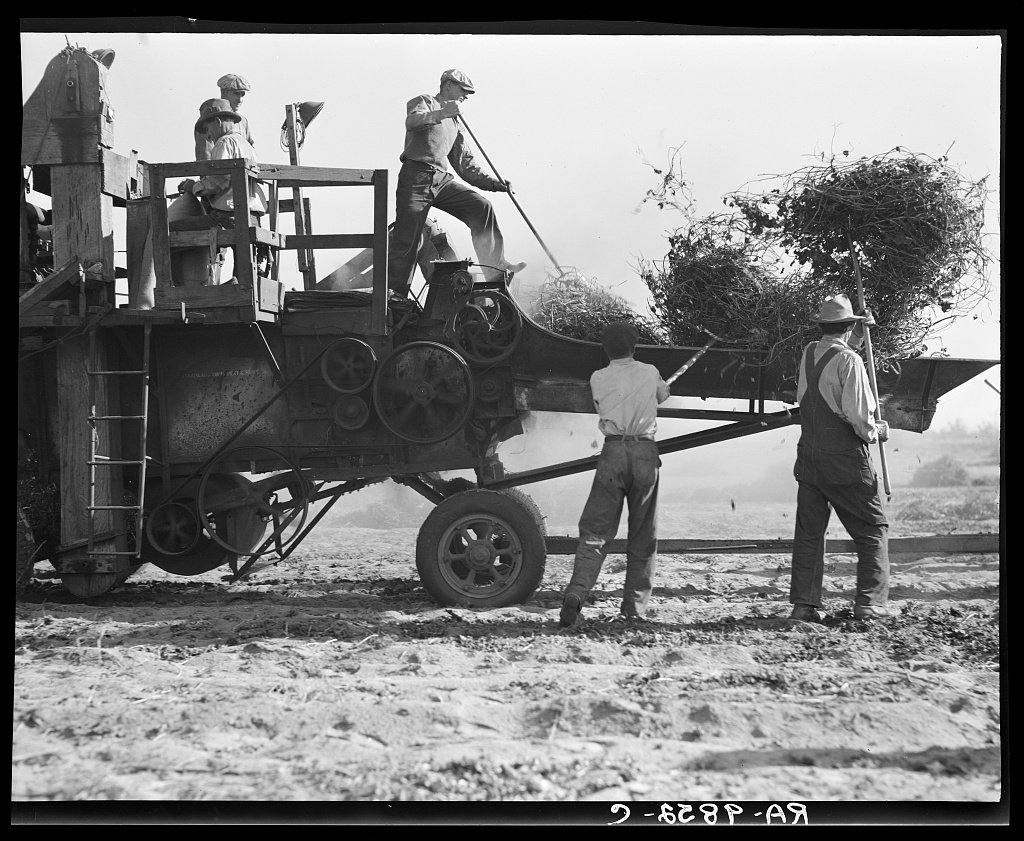
Charles’s son Abner Melvin Crowell appears among his children in the county history. Later records show Abner M. Crowell working on a much larger stage. A 1953 Congressional Record digest lists him, as president of Turlock Irrigation District, among witnesses favoring additional appropriations for the lower San Joaquin River project.
He also headed the Irrigation Districts Association of California. A June 11, 1953 letter preserved in a California court filing bears his name as association president and objects to proposed requirements for water releases for fish. Its argument put irrigation and domestic uses ahead of those releases. The document places a Turlock leader within a statewide debate over the purpose of river water—an issue with a long local history.
Closer to home, Turlock Rotary’s records identify Abner as its president in 1950–51 and list his profession as accountant. The club’s history booklet names him among its directors in 1955, when projects included youth sports, a Sea Scout troop and contributions to school milk funds. One person could move between national water hearings and the ordinary support work of a local club.
Stanislaus State preserves a July 15, 1965 oral-history file for Abner M. Crowell. Alongside Esther’s material, it gives researchers a place to continue the story beyond the better-known names on maps and buildings.
Read the wider History of Turlock, explore another local business family in the Bonander story, or find present-day places in the Turlock Guide.
